01
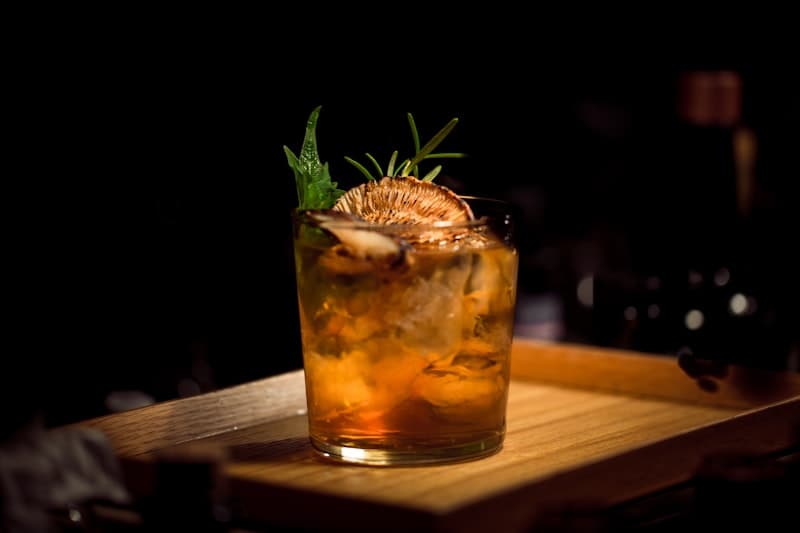
Kyushu Shochu Culture
Japan's southern island produces the finest shochu — the distilled spirit made from sweet potato, barley, or rice that is consumed daily across the region with extraordinary pride.
▲ Steady·Score +12
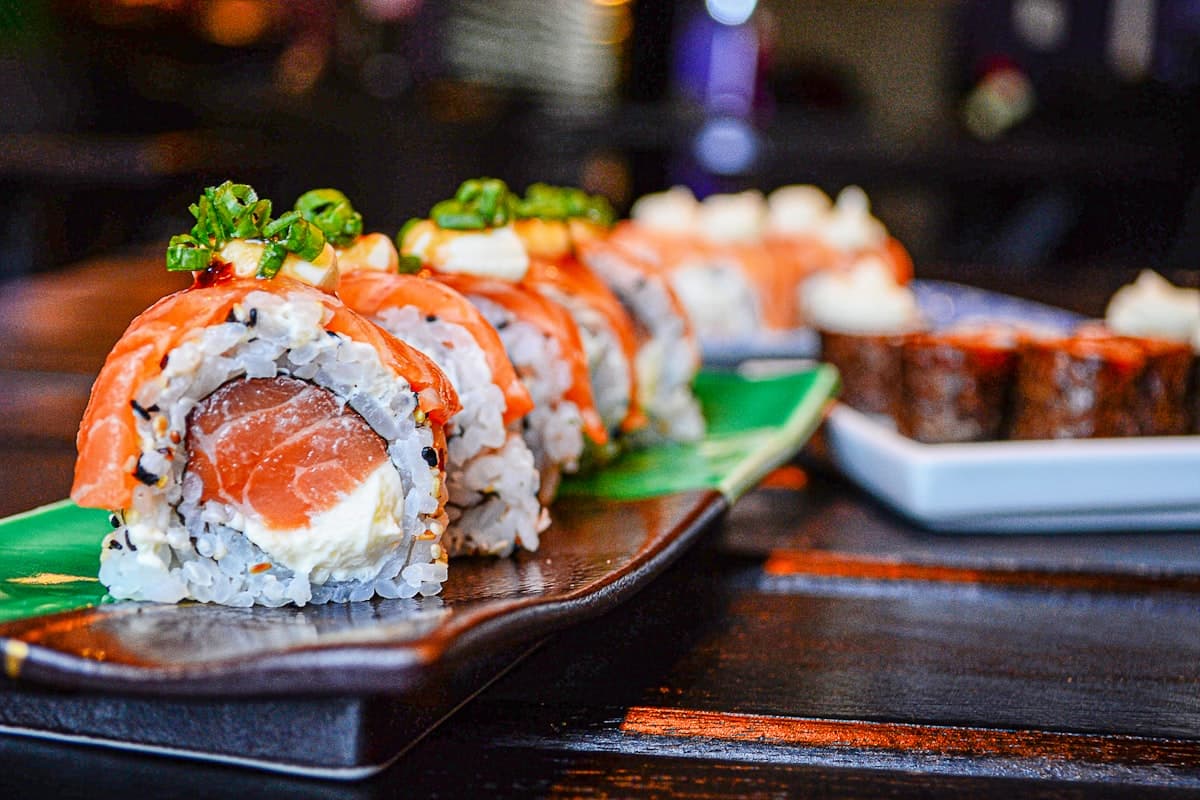
Japan's cuisine is not one tradition but many — each region has its own ingredients, techniques, and iconic dishes developed over centuries. Discover the extraordinary diversity of Japanese regional food culture.
Japan's southern island produces the finest shochu — the distilled spirit made from sweet potato, barley, or rice that is consumed daily across the region with extraordinary pride.
Hokkaido's cold winters inspired Japan's richest ramen — Sapporo's butter-corn miso ramen with thick wavy noodles is the perfect bowl for a freezing northern Japanese evening.
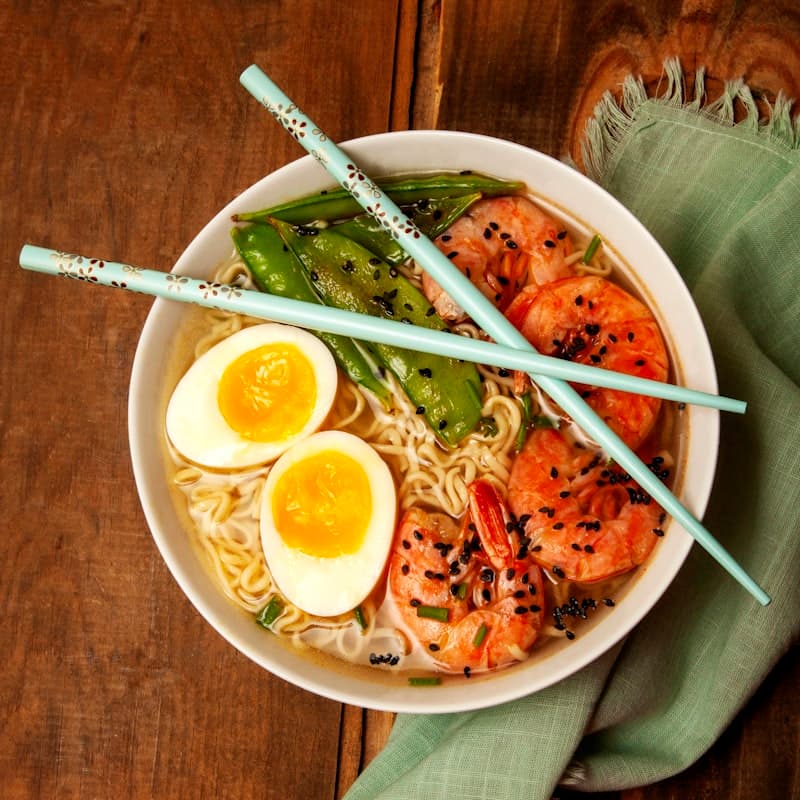
Nagoya's cuisine centres on red miso — hatcho miso-glazed dishes like miso katsu, miso nikomi udon, and kishimen flat noodles define this proudly distinctive food culture.
Hiroshima's layered okonomiyaki — with noodles, cabbage, egg, and pork stacked rather than mixed — is fundamentally different from the Osaka style and fiercely defended by locals.
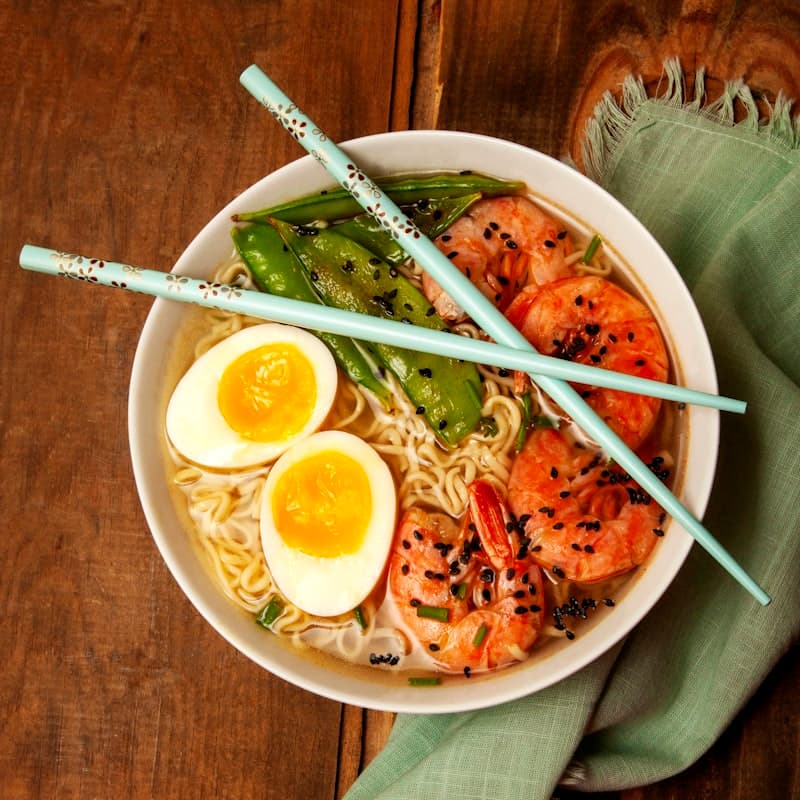
The original tonkotsu — Fukuoka's creamy, cloudy pork bone broth ramen with thin noodles is one of Japan's most passionately argued-over regional dishes.
Osaka's identity is eating until you drop — takoyaki, okonomiyaki, kushikatsu, and negiyaki from Dotonbori stalls define Japan's most devoted food city.
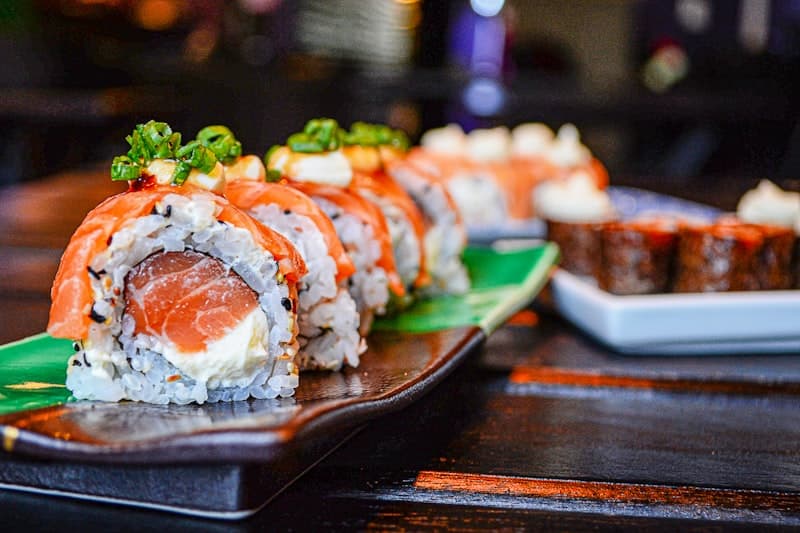
Edo-style sushi — lightly vinegared rice with precisely cut fish, served at pace — was invented in Tokyo and remains the city's most celebrated culinary export.
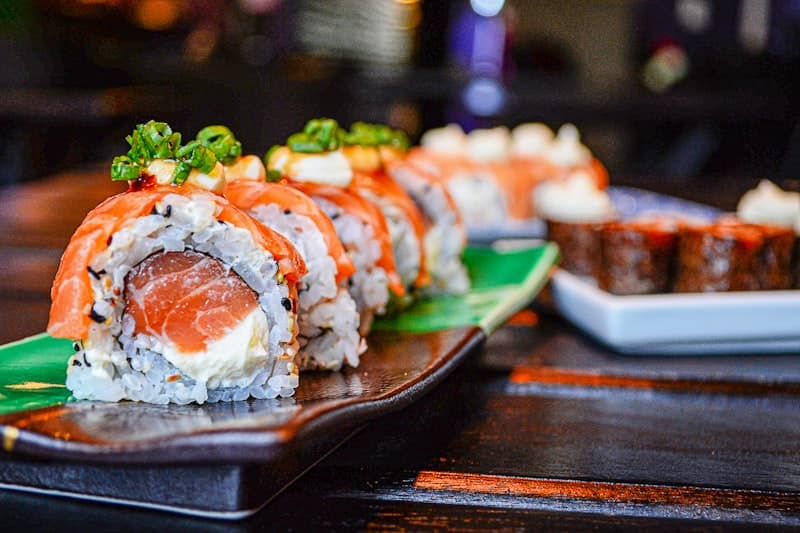
Buddhist temple vegetarian cuisine using Kyoto's famous silken tofu — shojin ryori achieves extraordinary flavour complexity without any meat or fish.
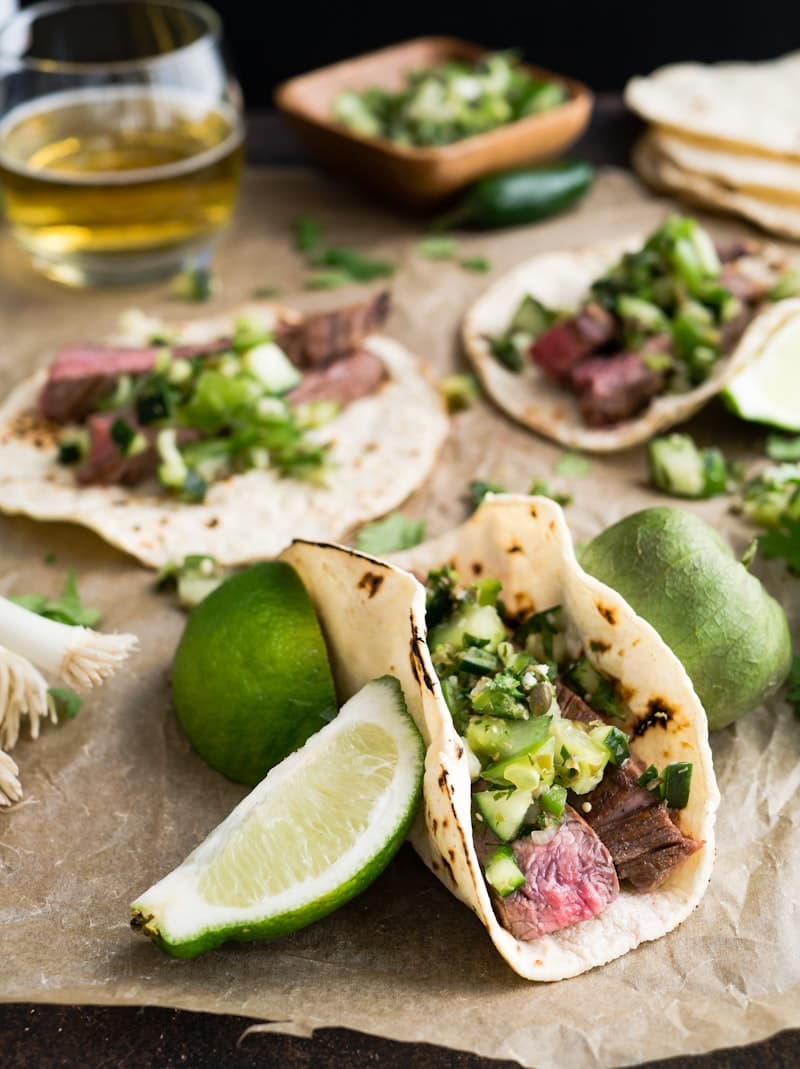
Sendai's signature dish — thick-cut salted beef tongue grilled over charcoal, served with barley rice and oxtail soup — a unique regional speciality that draws food tourists.
Japan's northernmost island produces extraordinary butter, cheese, crab, sea urchin, and salmon — Hokkaido's cold-climate produce is prized across all of Japan.
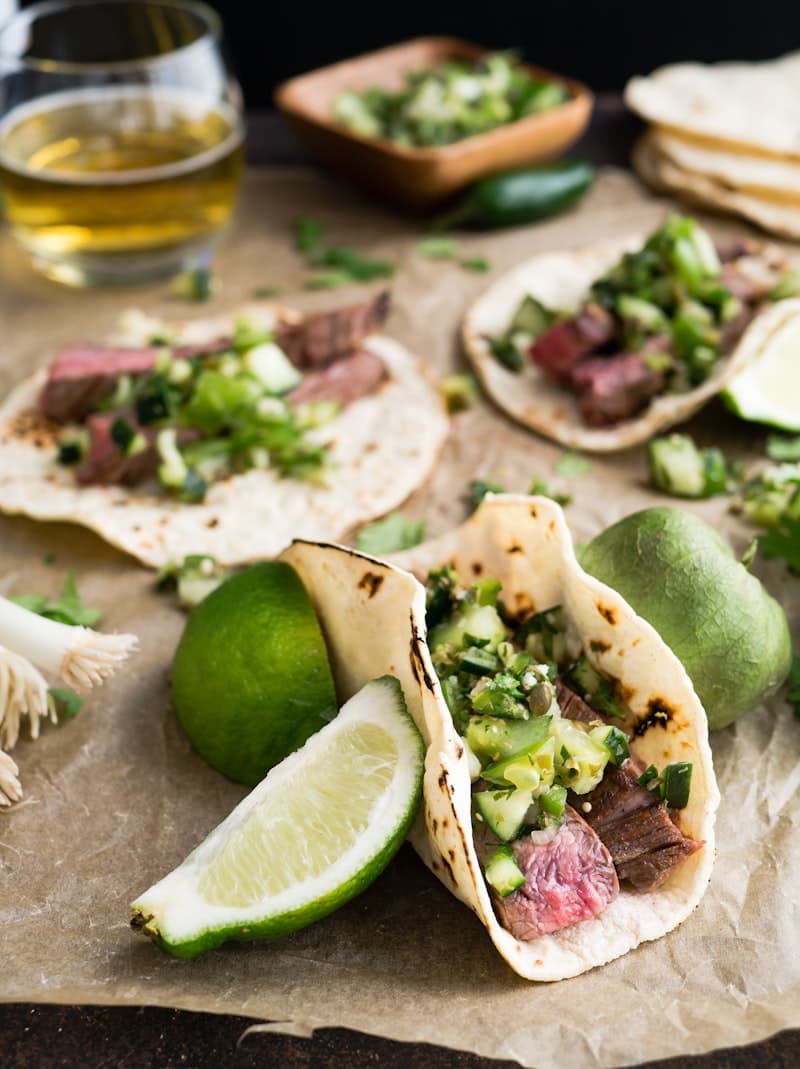
Japan's southernmost island has a unique cuisine influenced by China, Southeast Asia, and the US — goya champuru and rafute pork show a distinctly tropical Japanese palate.
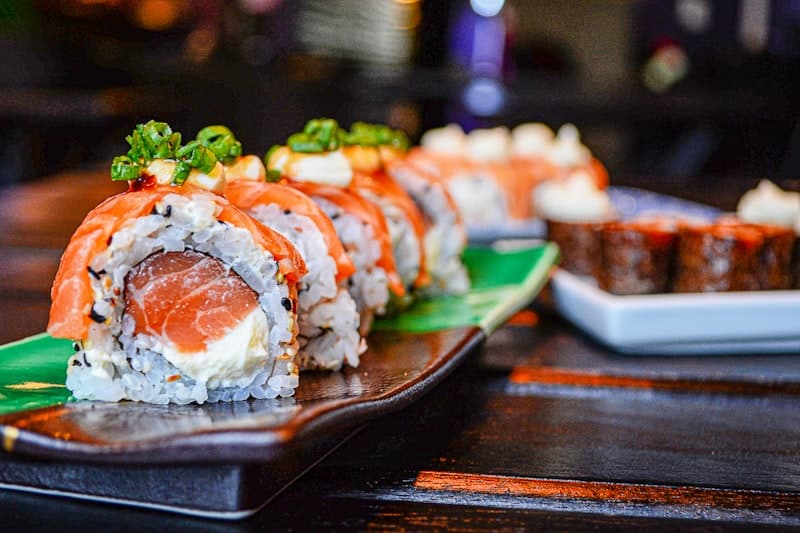
The pinnacle of Japanese culinary art — multi-course haute cuisine using the finest seasonal ingredients, presented with meditative beauty and philosophical restraint.
“Kyushu Shochu Culture”
Currently ranked #1. Where will it be in 7 days?
 Japan
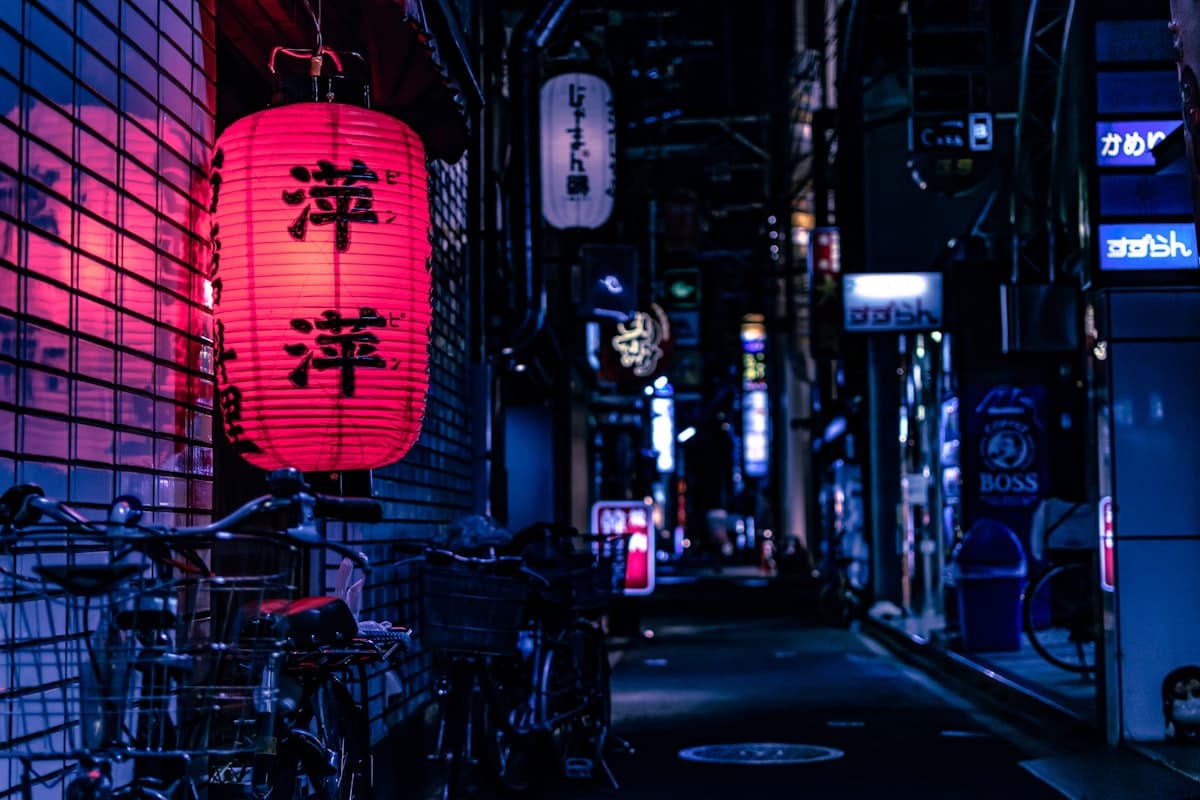
JapanFrom Kyoto's temples and Tokyo's neighborhoods to Mount Fuji, Osaka street food, and Hiroshima — Japan's extraordinary cultural journey.
 Japan
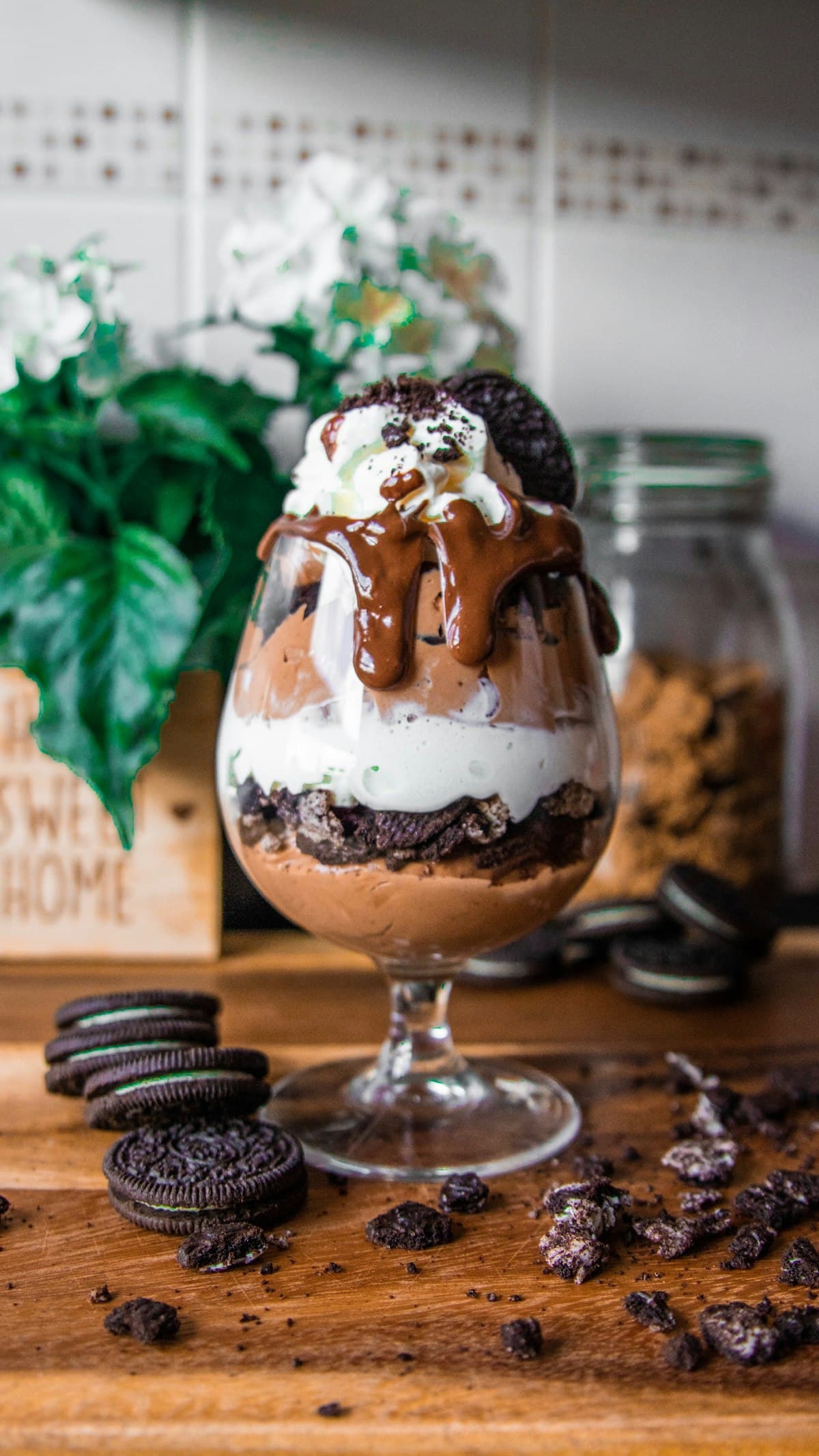
JapanJapanese confectionery is an edible art form rooted in centuries of tradition and seasonal beauty. From delicate tea ceremony sweets to beloved festival treats, these are the wagashi and Japanese sweets every food lover must experience.
 Japan
JapanThe izakaya is Japan's answer to the pub — a warm, casual place for drinks, small plates, and conversation after work. These are the dishes that make a great izakaya night, from crispy karaage to silky dashimaki tamago.