Osaka Street Food and Dotonbori
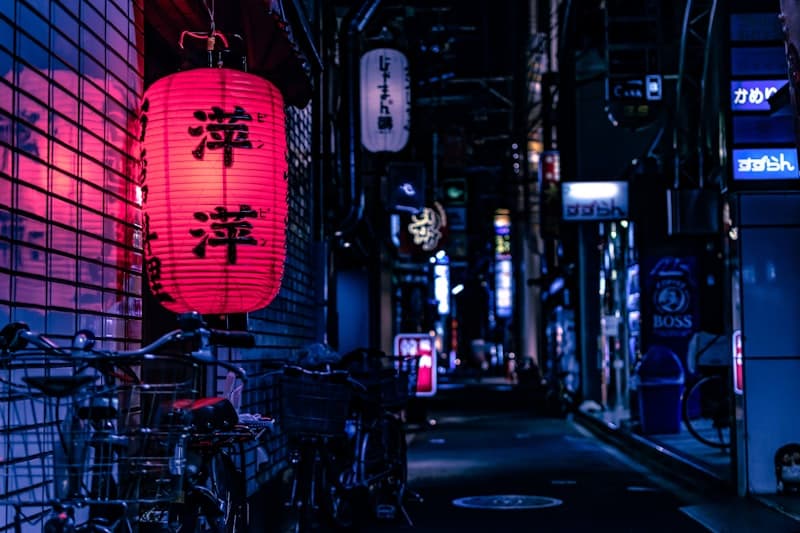
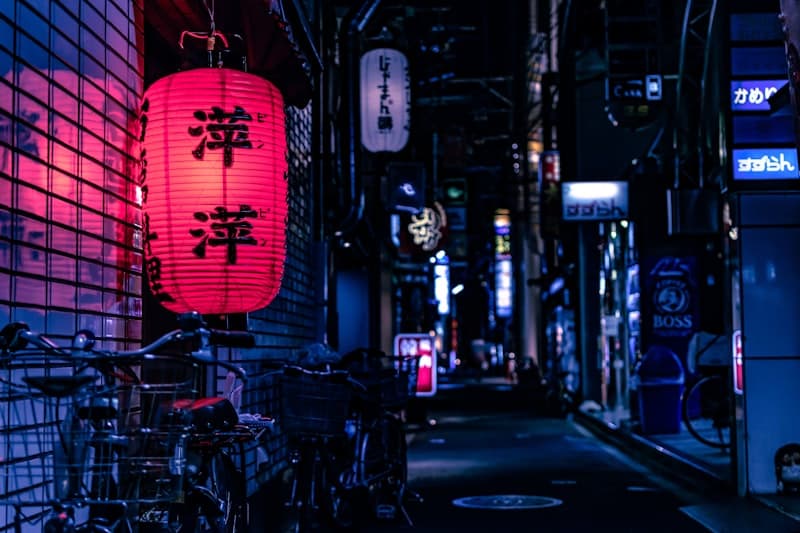
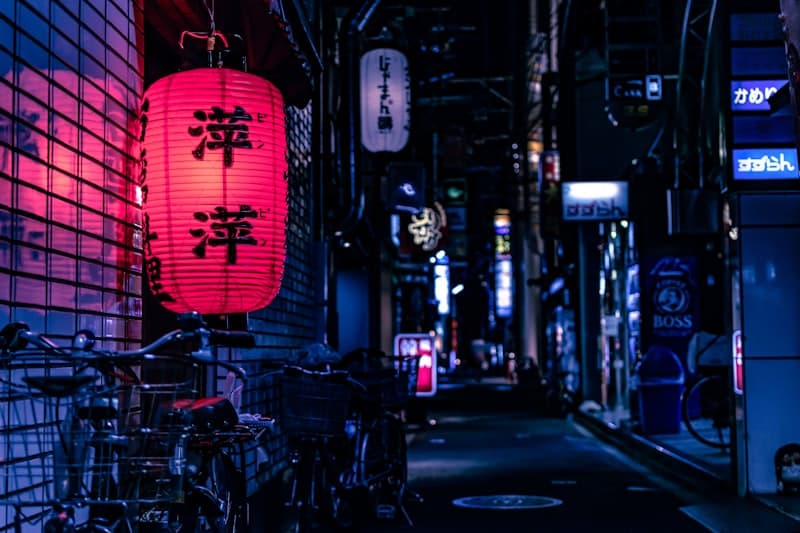
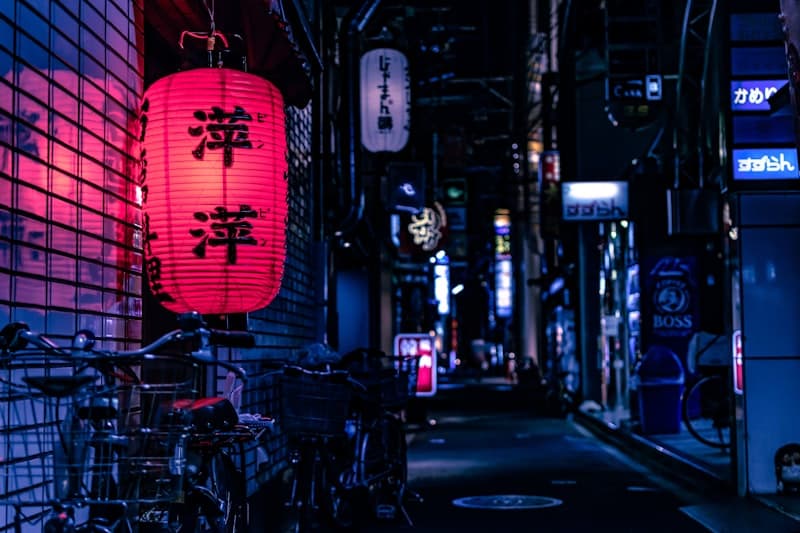
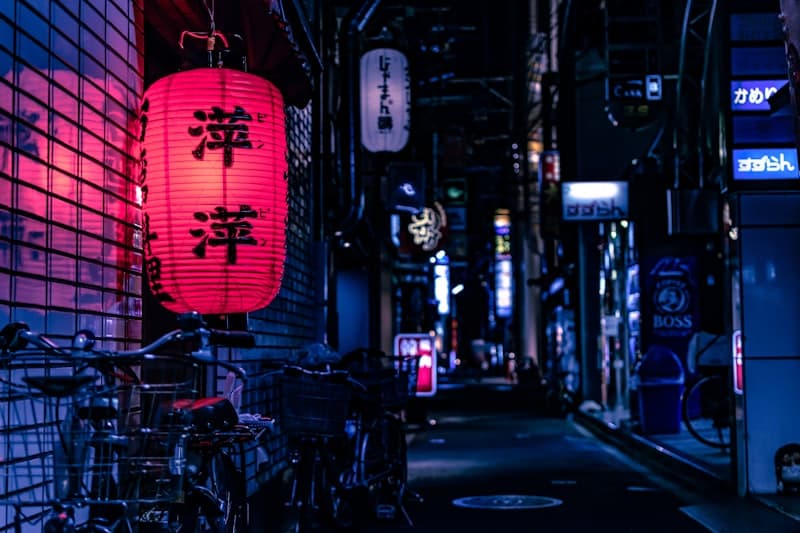
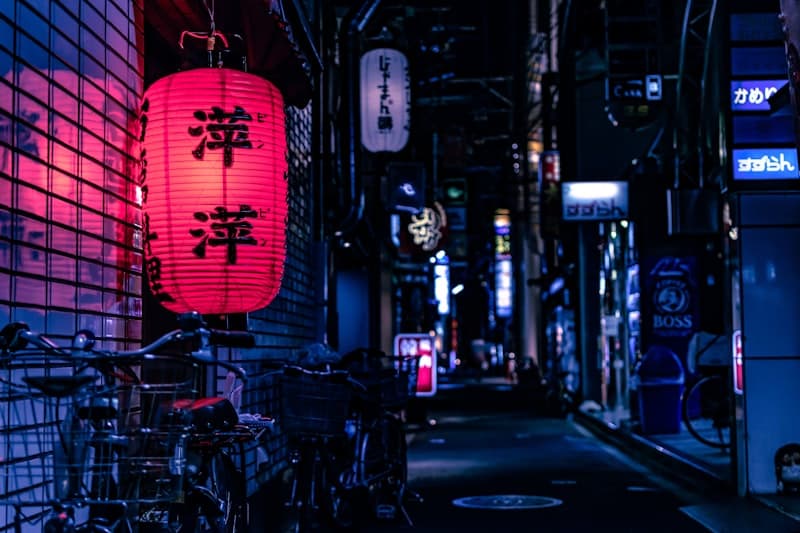
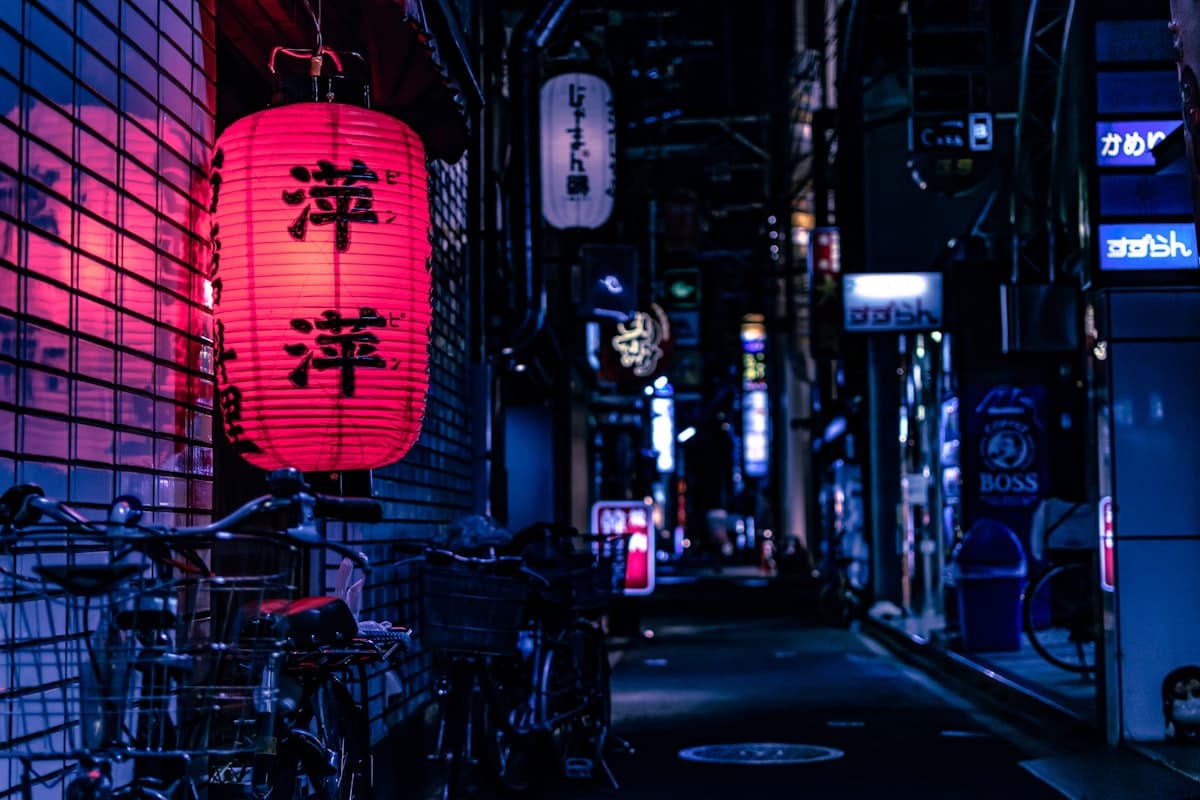
Japan's food capital's neon-blazing Dotonbori canal district offers takoyaki octopus balls, okonomiyaki savory pancakes, kushikatsu fried skewers, and ramen in an atmosphere of pure food hedonism.

From Kyoto's temples and Tokyo's neighborhoods to Mount Fuji, Osaka street food, and Hiroshima — Japan's extraordinary cultural journey.

Japan's food capital's neon-blazing Dotonbori canal district offers takoyaki octopus balls, okonomiyaki savory pancakes, kushikatsu fried skewers, and ramen in an atmosphere of pure food hedonism.

Japan's iconic 3,776m volcano is most beautifully viewed from Hakone's Ashi Lake or the Chureito Pagoda, while the official climbing season (July-September) allows summiting overnight for a transcendent sunrise experience.

Hanami (flower viewing) under blooming cherry blossom trees in March-April parks throughout Japan represents one of the world's most spectacular seasonal natural events and deeply meaningful cultural traditions.

Riding Japan's iconic high-speed rail network between cities at 320km/h is itself one of Japan's greatest pleasures — the punctuality, cleanliness, comfortable seating, and bento box ekiben lunch service are legendary.

Staying in a traditional Japanese inn with tatami rooms, kaiseki multi-course dinner, yukata robes, and communal mineral hot spring baths is Japan's most culturally immersive accommodation experience.

Over 1,000 free-roaming sacred sika deer share the ancient capital's parks alongside the Todai-ji Temple housing Japan's largest bronze Buddha (15 meters tall) and five UNESCO World Heritage sites.

The Atomic Bomb Dome, Peace Memorial Museum, and Okunojima rabbit island near Hiroshima, combined with Miyajima's iconic floating torii gate emerging from the Seto Inland Sea, create a profound day of contrasts.

Hokkaido's northernmost main island hosts the Sapporo Snow Festival's monumental ice sculptures in February, powder skiing at Niseko, and summer flower fields of Furano creating year-round appeal.

Walking sections of the UNESCO-listed Kumano Kodo pilgrimage trail through the Kii Peninsula forest connects modern travelers with 1,000 years of Japanese spiritual pilgrimage tradition through magnificent ancient forests.

Kyoto's 1,600+ Buddhist temples and 400 Shinto shrines include Kinkaku-ji (Golden Pavilion), Fushimi Inari's 10,000 vermillion torii gates, and Gion's preserved machiya geisha district — Japan's most concentrated cultural heritage.

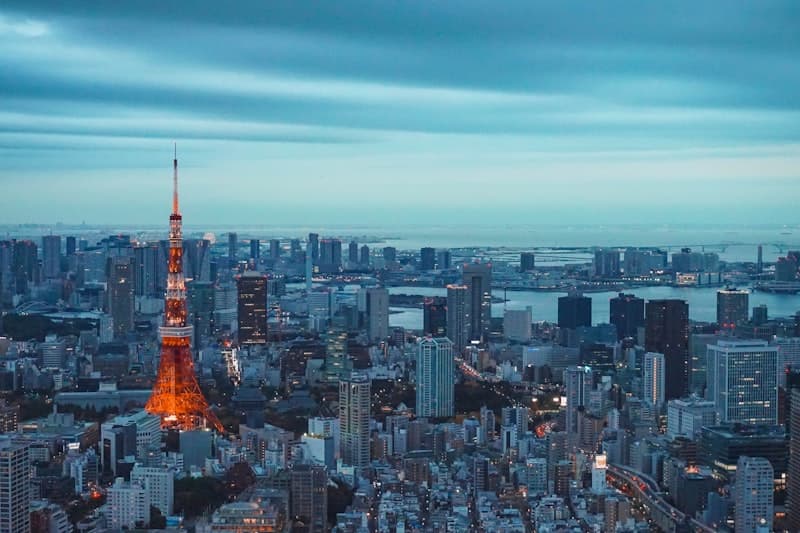
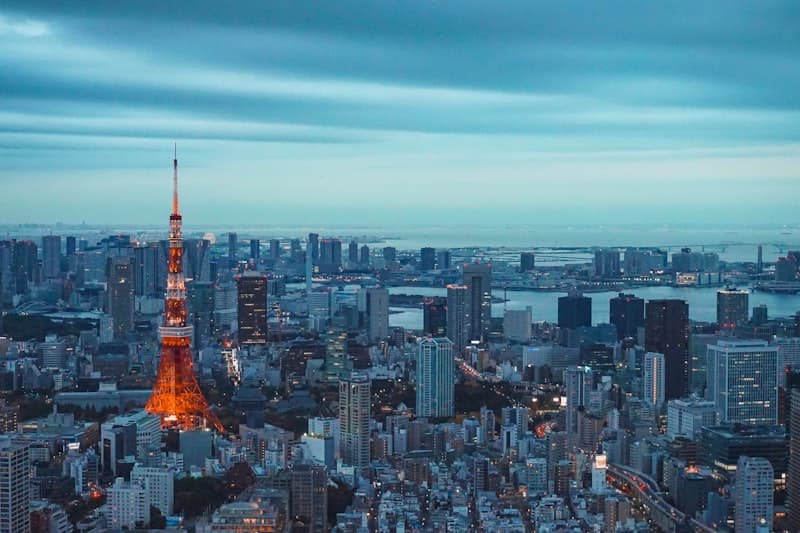
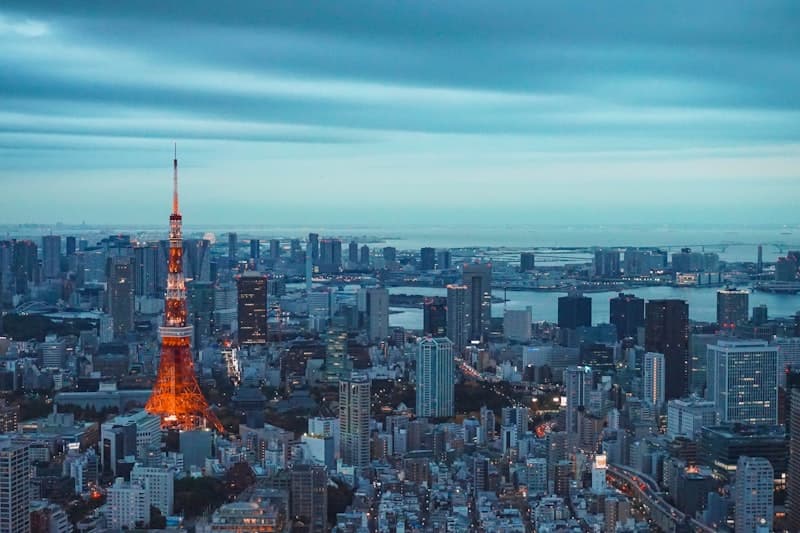
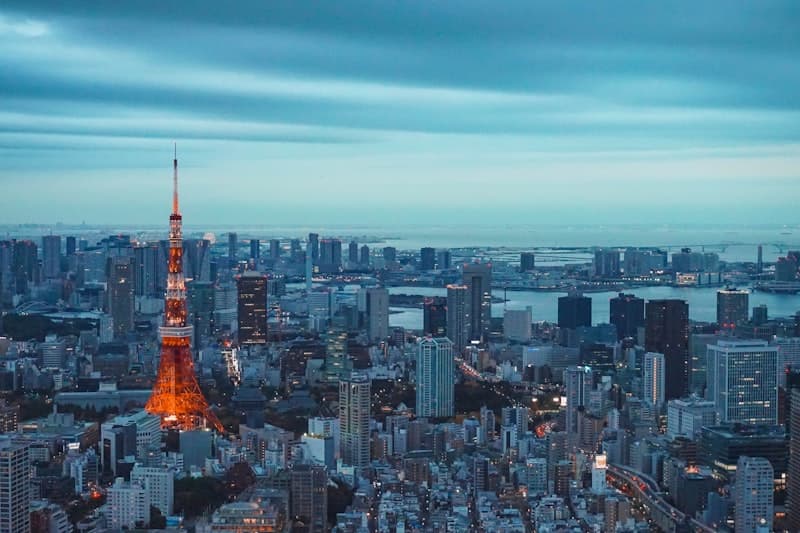
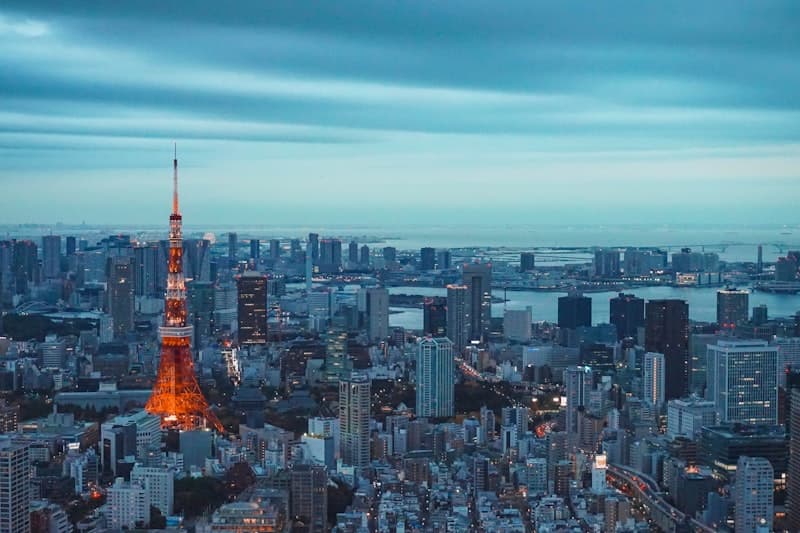
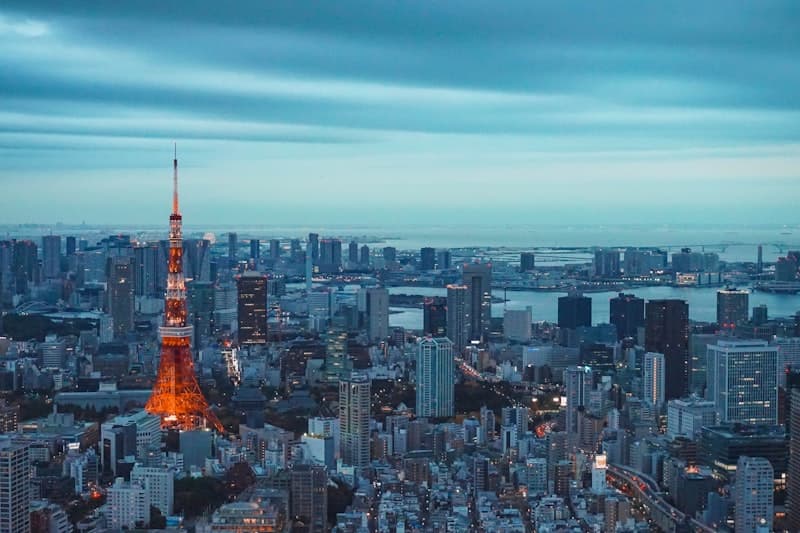
Tokyo's crossing at Shibuya, robot restaurants of Shinjuku, anime/gaming mecca Akihabara, the teamLab digital art museum, and Tsukiji's outer market together represent the world's most dynamic urban exploration.

The legendary tuna auctions and surrounding outer market restaurants of Tsukiji and its successor Toyosu represent Japan's most intense and early-morning fish market experiences for seafood enthusiasts.
“Osaka Street Food and Dotonbori”
Currently ranked #1. Where will it be in 7 days?
JapanJapanese confectionery is an edible art form rooted in centuries of tradition and seasonal beauty. From delicate tea ceremony sweets to beloved festival treats, these are the wagashi and Japanese sweets every food lover must experience.
JapanThe izakaya is Japan's answer to the pub — a warm, casual place for drinks, small plates, and conversation after work. These are the dishes that make a great izakaya night, from crispy karaage to silky dashimaki tamago.
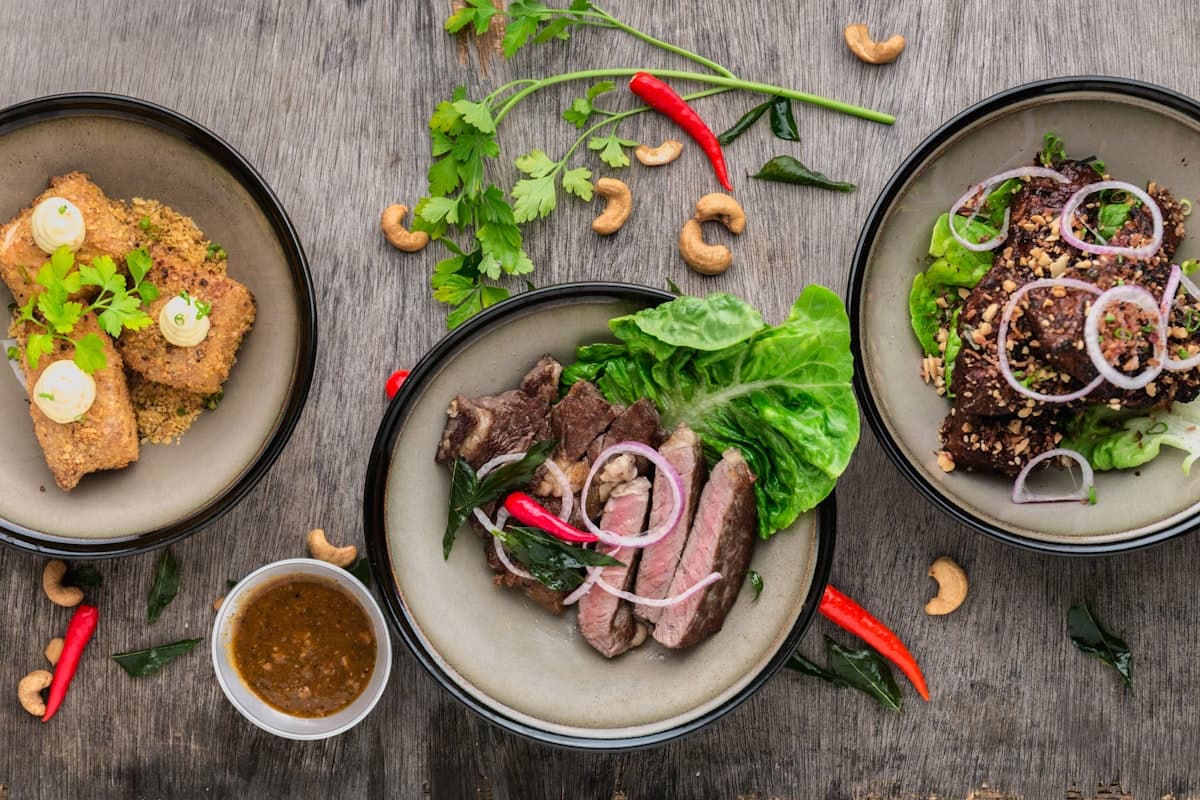
JapanJapan's street food culture is a culinary experience unlike any other — from festival stalls and convenience store masterpieces to late-night yakitori alleys. These are the iconic street foods every visitor to Japan must eat.