01
Monaka
A delicate wafer shell sandwiching a filling of sweet azuki, sesame paste, or matcha cream. The ultra-thin crisp wafer and the contrast of soft filling make monaka one of the most refined wagashi formats.
▲ Steady·Score +14
Japanese confectionery is an edible art form rooted in centuries of tradition and seasonal beauty. From delicate tea ceremony sweets to beloved festival treats, these are the wagashi and Japanese sweets every food lover must experience.
A delicate wafer shell sandwiching a filling of sweet azuki, sesame paste, or matcha cream. The ultra-thin crisp wafer and the contrast of soft filling make monaka one of the most refined wagashi formats.
Soft, chewy pounded rice cakes filled with sweet red bean paste — Japan's most iconic sweet comes in endless variations from sakura mochi to daifuku and serves as both everyday snack and ceremonial offering.
The iconic banana-shaped sponge cake filled with banana custard cream became one of Japan's most famous airport souvenirs and is among the best-selling regional confections in modern Japan.
Fish-shaped golden cakes stuffed with red bean paste, custard, or seasonal fillings — sold at matsuri stalls and specialty shops for over a century and impossible to eat without smiling.
A firm, sliceable block of sweet red bean jelly — smooth, deeply flavoured, and beautifully packaged — one of Japan's oldest wagashi and the perfect accompaniment to afternoon green tea.
Delicate nerikiri confections sculpted into seasonal forms — cherry blossoms, autumn leaves, snow — are served to balance the bitterness of matcha in the Japanese tea ceremony ritual.
Two fluffy pancake rounds sandwiching a generous filling of sweet azuki bean paste — forever associated with Doraemon and beloved across all generations as Japan's most universally adored snack.
Skewered rice flour dumplings glazed with a sticky, savoury-sweet soy sauce caramel. Slightly chewy, deeply satisfying, and available at virtually every shrine approach and festival nationwide.
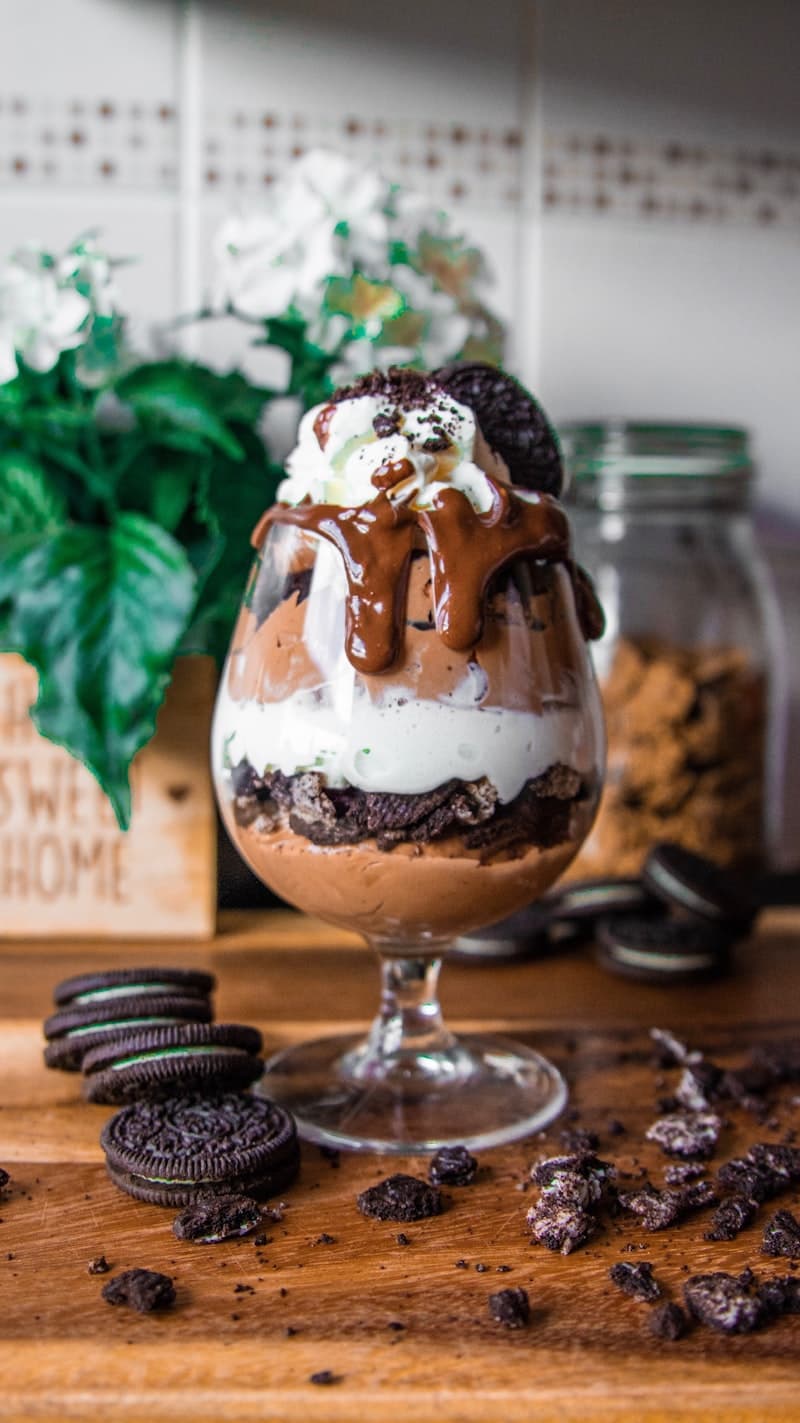
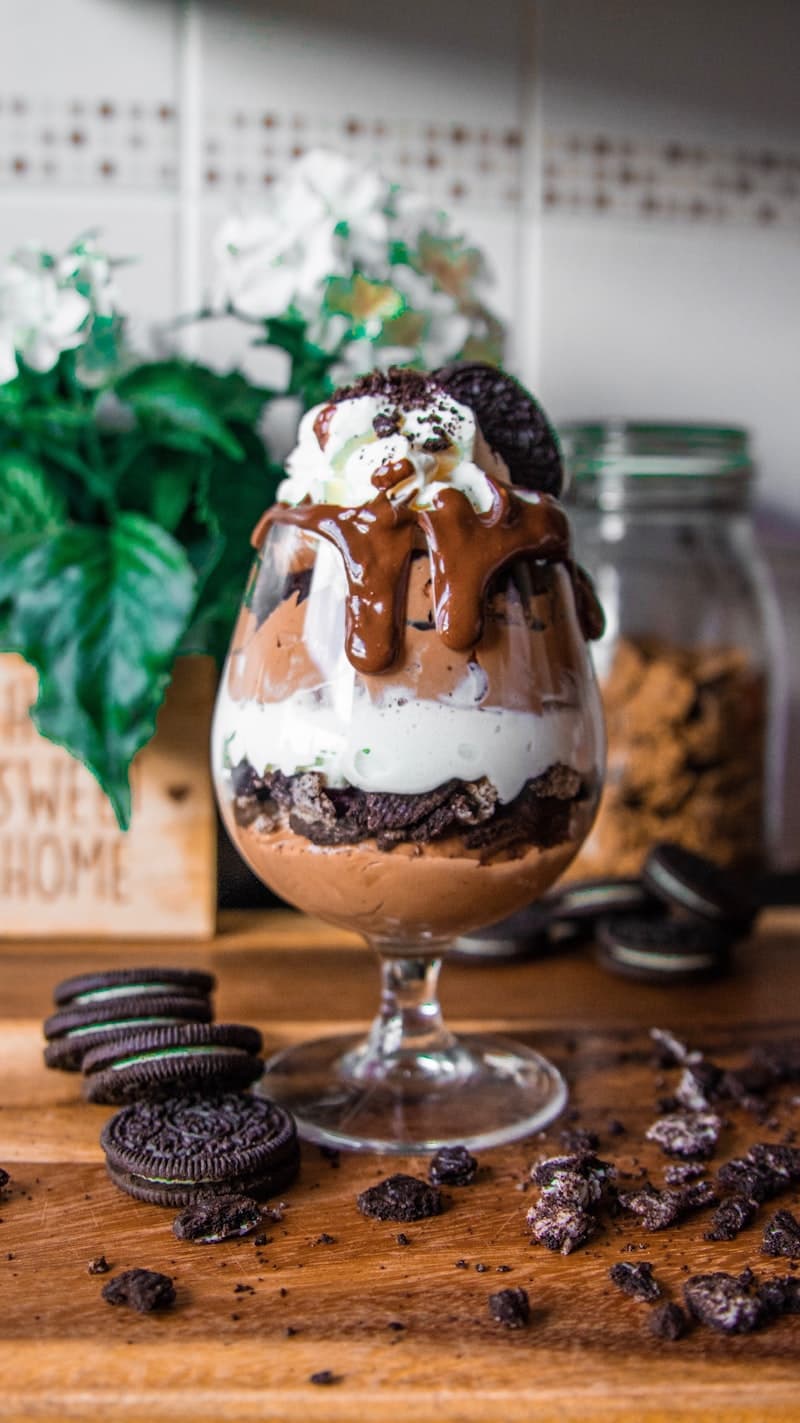
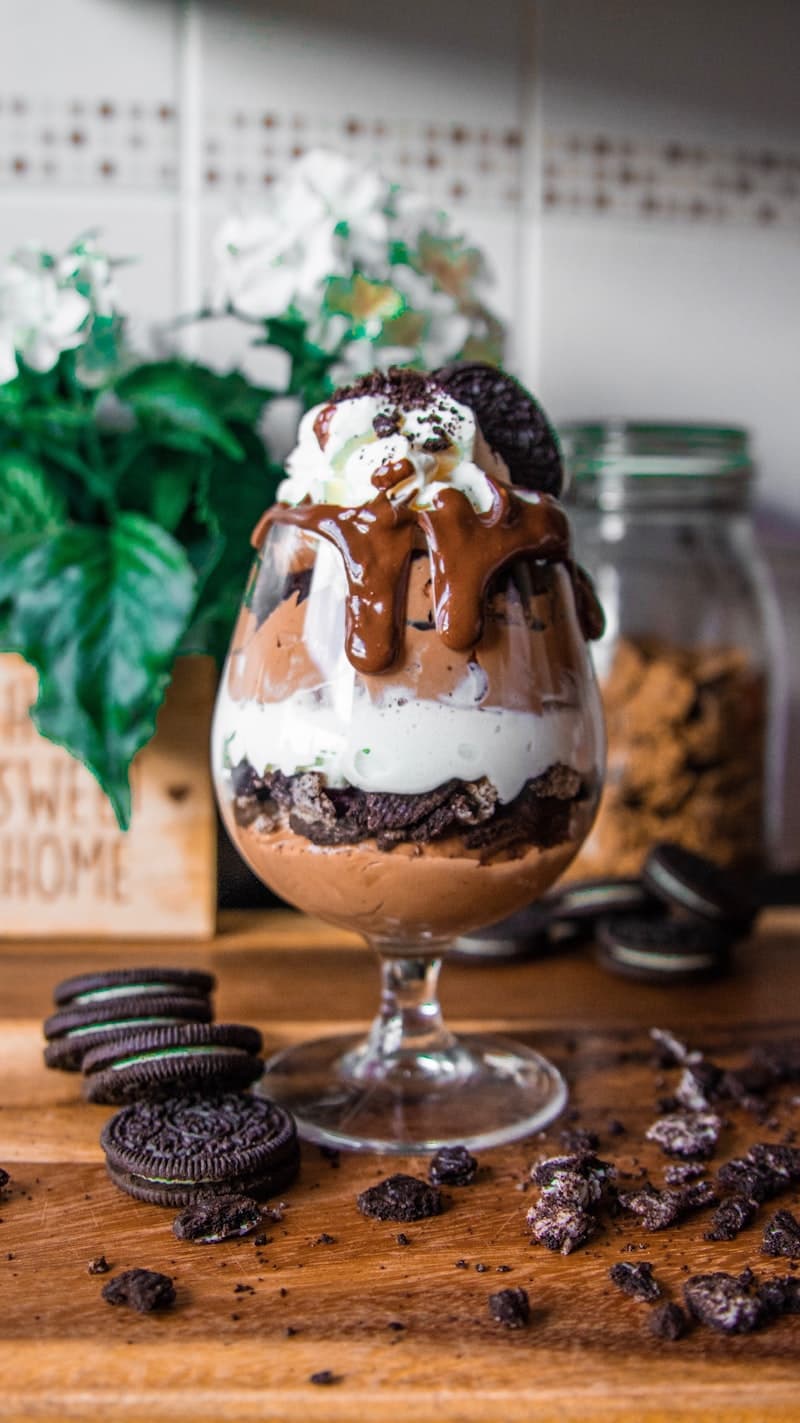
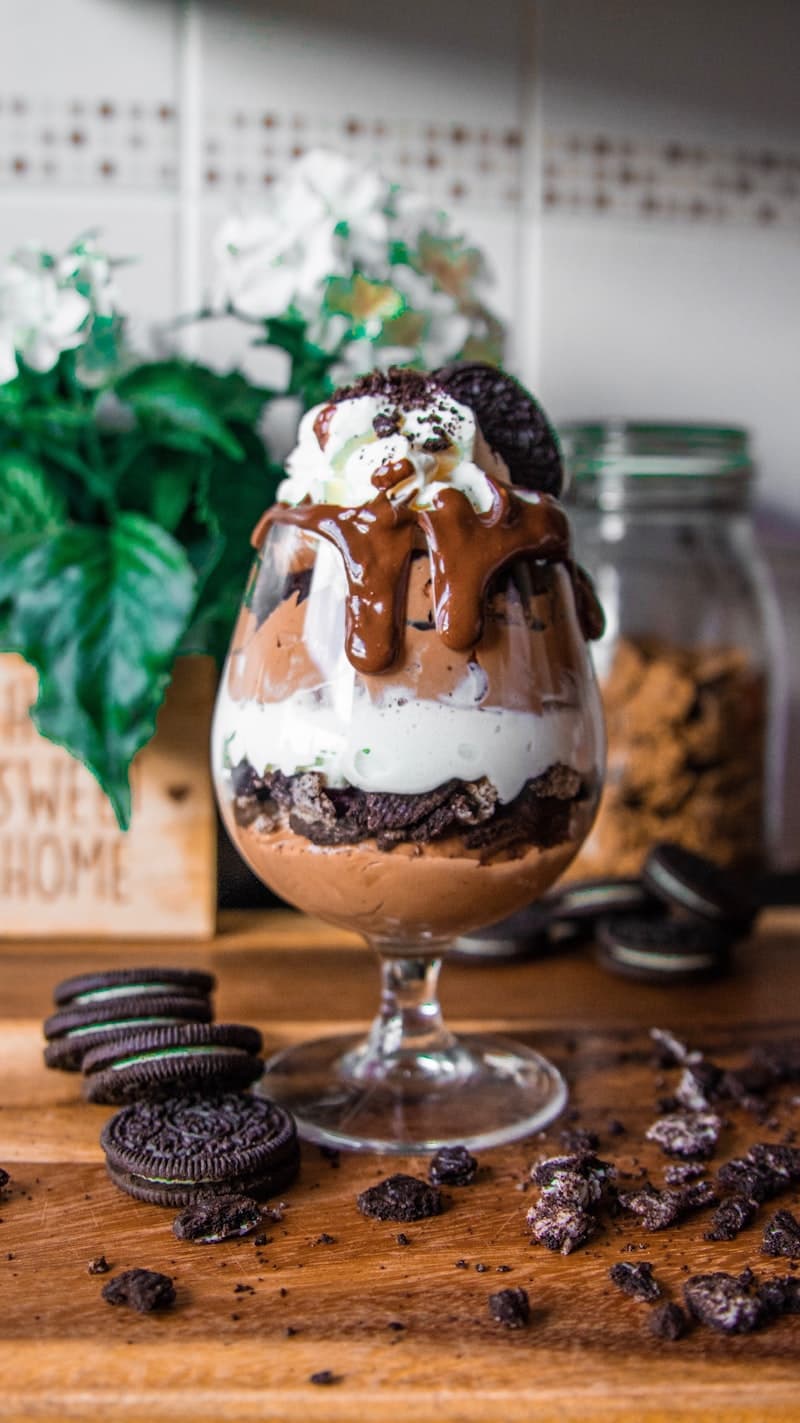
Layers of matcha ice cream, azuki beans, mochi, and cornflakes served in a tall glass. A modern Japanese sweet that has become a cultural institution in Kyoto cafes and dessert shops nationwide.
Ultra-fine shaved ice drenched in natural fruit syrups or matcha and condensed milk — Japan's summer dessert institution, with artisan kakigori shops now producing flavour combinations of extraordinary complexity.
Thick, round pancake cakes filled with sweet azuki or custard, cooked in cast iron moulds at street stalls. Warmer and more substantial than taiyaki, they are the ultimate cold-day festival comfort food.
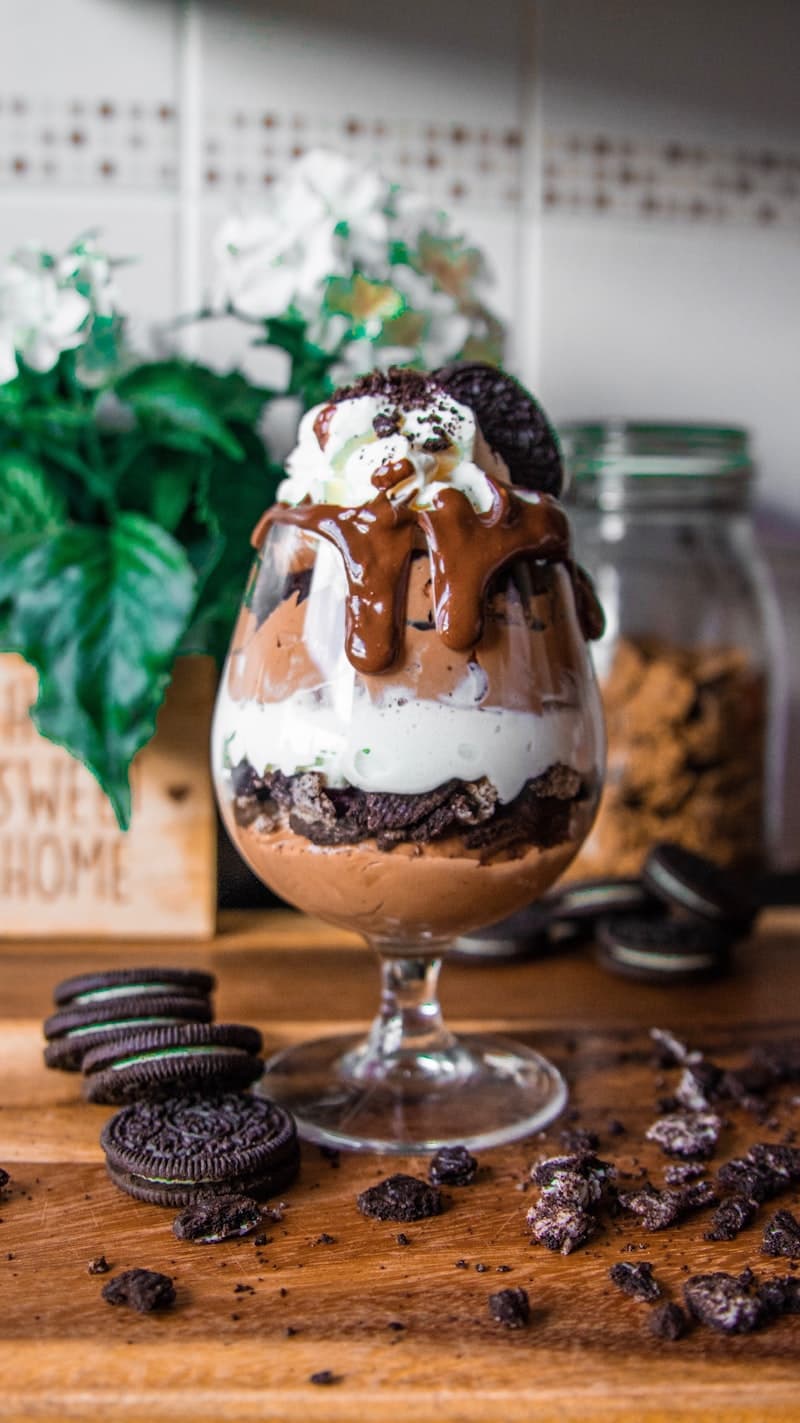
A traditional cold dessert of agar jelly cubes, sweet azuki paste, fruit, and mochi drizzled with black sugar syrup — elegant, refreshing, and rooted in Meiji-era Tokyo sweet shop culture.
“Monaka”
Currently ranked #1. Where will it be in 7 days?
 Japan
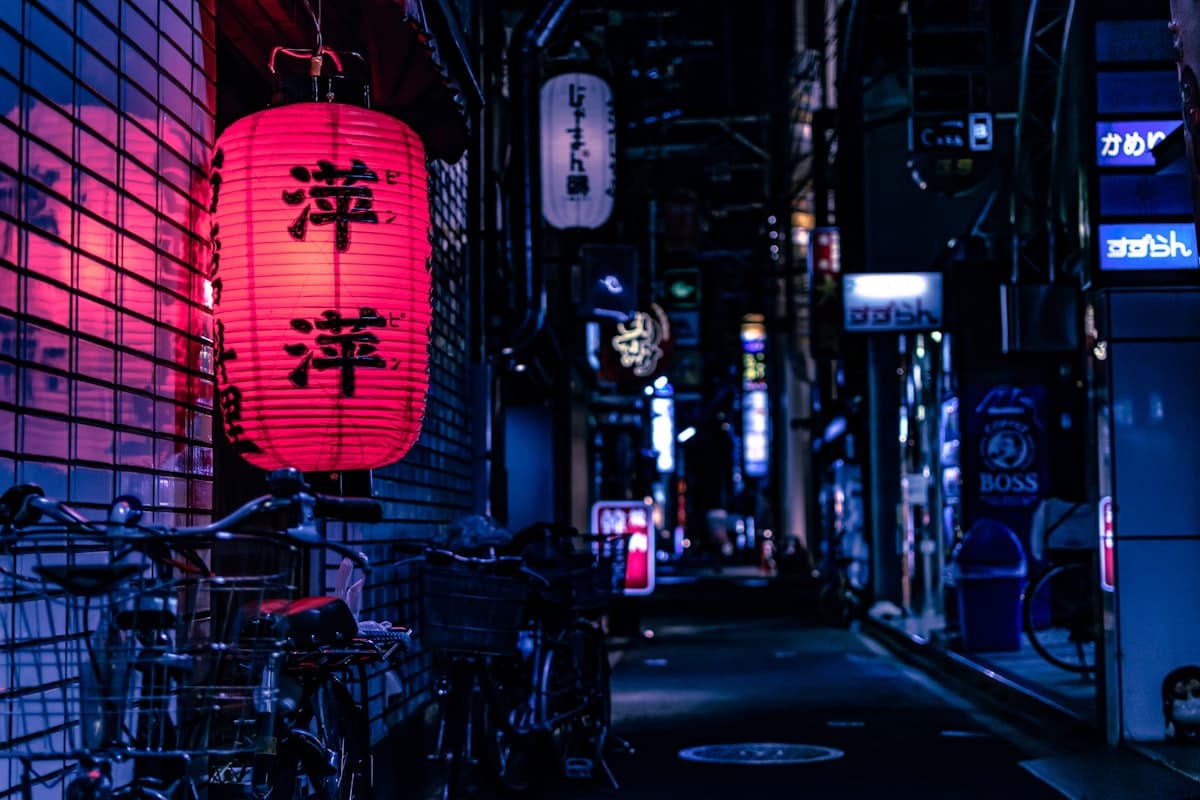
JapanFrom Kyoto's temples and Tokyo's neighborhoods to Mount Fuji, Osaka street food, and Hiroshima — Japan's extraordinary cultural journey.
 Japan
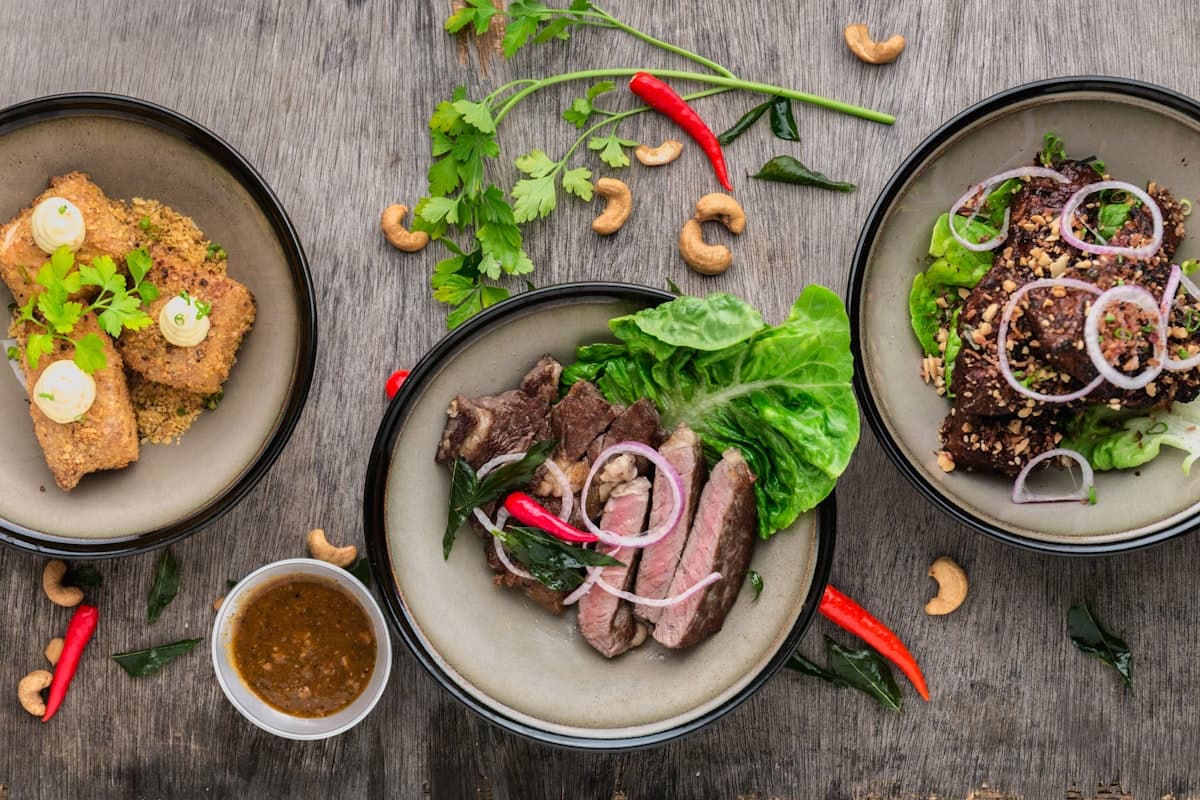
JapanThe izakaya is Japan's answer to the pub — a warm, casual place for drinks, small plates, and conversation after work. These are the dishes that make a great izakaya night, from crispy karaage to silky dashimaki tamago.
 Japan
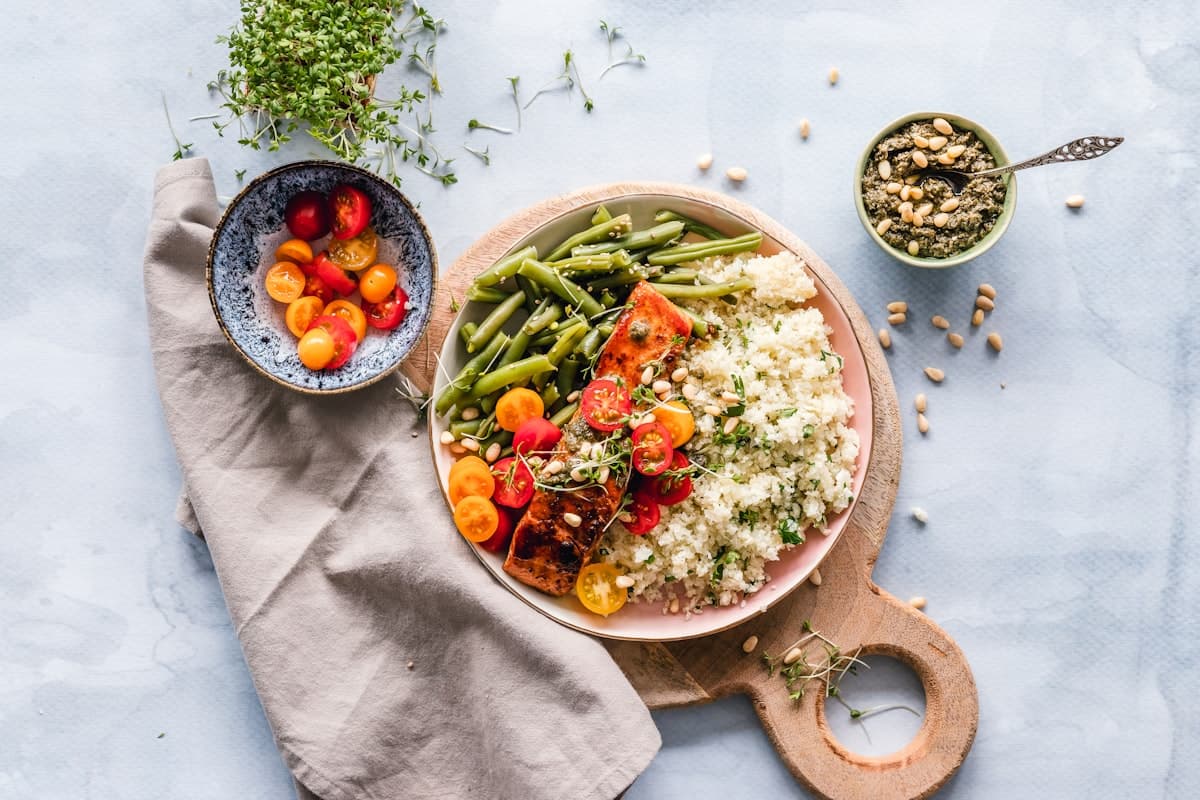
JapanJapan's street food culture is a culinary experience unlike any other — from festival stalls and convenience store masterpieces to late-night yakitori alleys. These are the iconic street foods every visitor to Japan must eat.