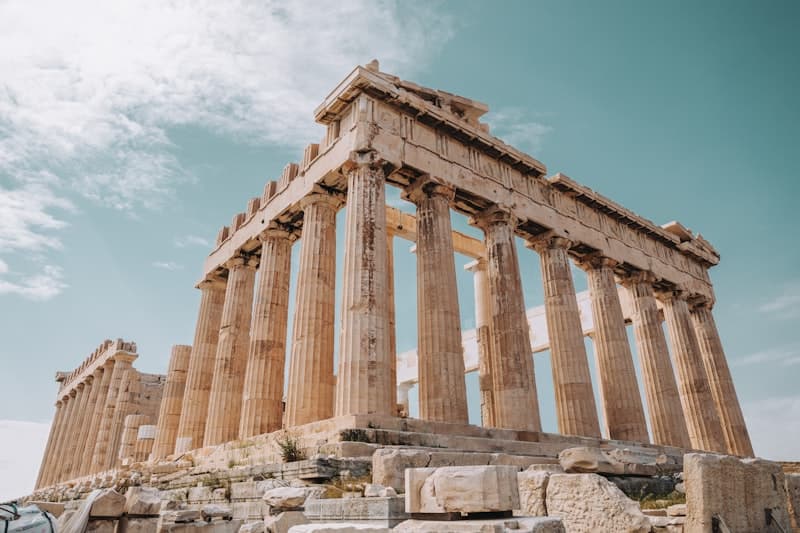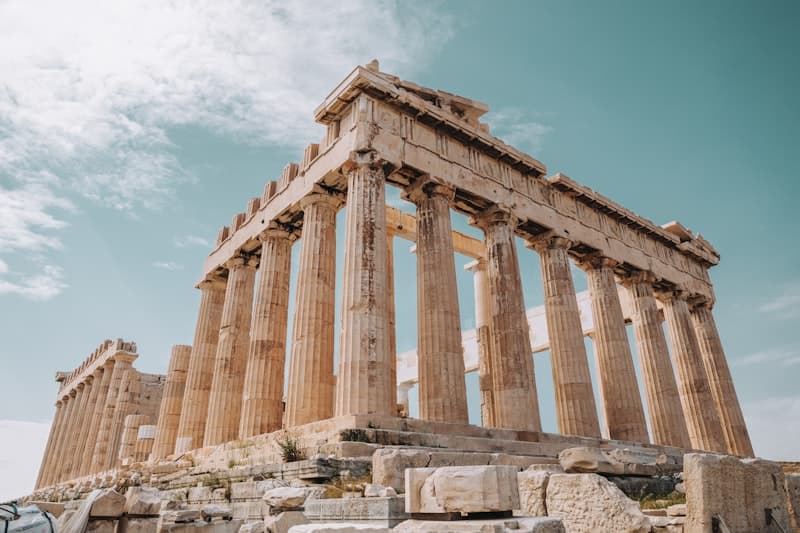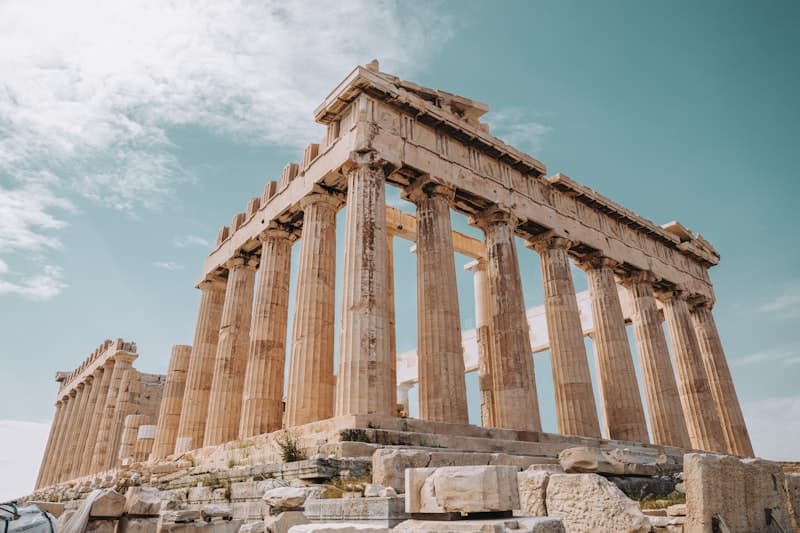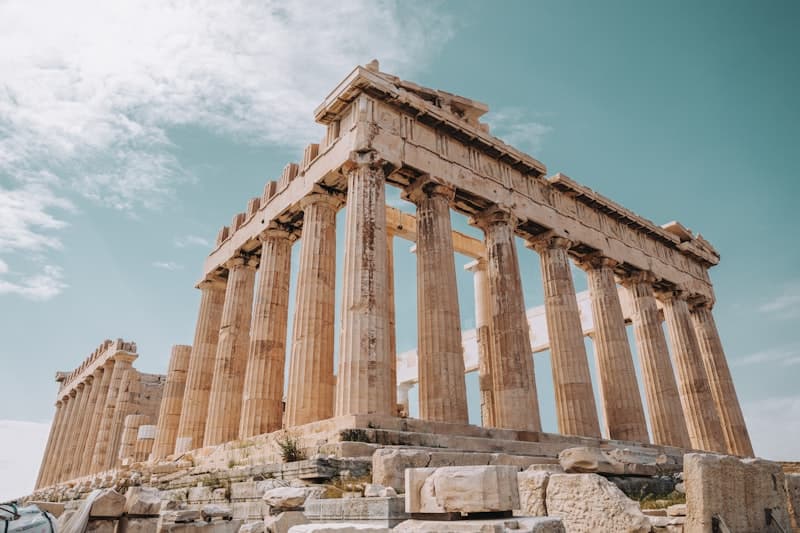

Battle of Hastings (1066)
William the Conqueror's victory over King Harold transformed England into a Norman kingdom, shaped the English language by adding 10,000 French words, and created the feudal system that defined medieval European society.

A single battle can redirect the course of civilisation — determining which language a continent speaks, which religion it follows, or whether a nation exists at all. These are the battles whose outcomes shaped the world we live in today.

William the Conqueror's victory over King Harold transformed England into a Norman kingdom, shaped the English language by adding 10,000 French words, and created the feudal system that defined medieval European society.

The deadliest battle in human history with over 2 million casualties — the Soviet victory turned the tide of World War II on the Eastern Front, ending the myth of German invincibility and beginning the long retreat to Berlin.

Three hundred Spartans and 700 Thespians held the Persian army for three days — their sacrifice bought time for Greek city-states to unite, leading ultimately to the Persian defeat and the survival of Greek civilisation.

The US destruction of four Japanese aircraft carriers in four minutes turned the Pacific War — Japan never recovered the naval initiative and the American island-hopping strategy that ended in Hiroshima became possible.

60,000 British casualties on the first day alone — the Somme became the defining symbol of World War I futility. Its mechanised slaughter transformed how nations thought about war, heroism, and the obligation of leaders to soldiers.

The first naval battle fought entirely between aircraft carriers — neither fleet sighted the other. The Japanese strategic setback halted their advance toward Australia in a battle that foreshadowed all future naval warfare.

Napoleon's final defeat ended 23 years of French revolutionary and Napoleonic wars, established the Concert of Europe that maintained relative peace for 100 years, and confirmed British naval and commercial dominance.

The bloodiest battle of the American Civil War — Lee's failed invasion of the North marked the Confederacy's last offensive. Lincoln's subsequent Gettysburg Address redefined America's founding purpose around equality.

Operation Overlord's landings on five Normandy beaches by 156,000 Allied troops opened the Western Front and made the liberation of Western Europe possible — the largest seaborne invasion in history.

Charles Martel's Frankish victory over the Umayyad Caliphate halted Islamic expansion into Western Europe — a battle whose outcome determined whether European civilisation would develop as Christian or Islamic.

The Athenian victory over the Persian army at Marathon halted the Persian invasion of Greece and preserved the nascent democracy and philosophy of Athens — without which Western civilisation as we know it could not have developed.

Babur's victory over the Delhi Sultanate using artillery and matchlock firearms established the Mughal Empire — beginning 300 years of Mughal rule that produced the Taj Mahal and shaped the cultural identity of South Asia.
“Battle of Hastings (1066)”
Currently ranked #1. Where will it be in 7 days?
History & CultureHistory is shaped by individuals who channelled the forces of their era into lasting change. These are the leaders — conquerors, reformers, visionaries, and liberators — whose decisions and characters most profoundly altered the course of civilisation.
History & CultureEmpires have shaped human geography, culture, language, and law across every continent. These are the empires that dominated the largest territories, lasted the longest, or had the most profound and lasting impact on world civilisation.
History & CultureHumanity's capacity for monumental achievement across every era — from the Pyramids to the International Space Station. These are the wonders of engineering, architecture, and human ambition that define what civilisation is capable of.