Watercolor Portraiture
Capturing the translucency of skin with watercolor requires understanding warm and cool shadows, reserving highlights on noses and lips, and building form through careful layering without overworking the surface.
Watercolor's unique luminosity and unpredictability make it one of the most beautiful and rewarding art mediums — these techniques will build your confidence and skill from the very first brush stroke.

Capturing the translucency of skin with watercolor requires understanding warm and cool shadows, reserving highlights on noses and lips, and building form through careful layering without overworking the surface.

Sketching cities, cafes, and architecture on location with pen-and-wash technique combines the spontaneity of drawing with watercolor washes — a portable, social art practice with a passionate global community.

Applying wet paint to a pre-wetted paper surface creates magical blooming, bleeding effects with soft edges — perfect for skies, backgrounds, and atmospheric landscapes that define watercolor's dreamlike quality.

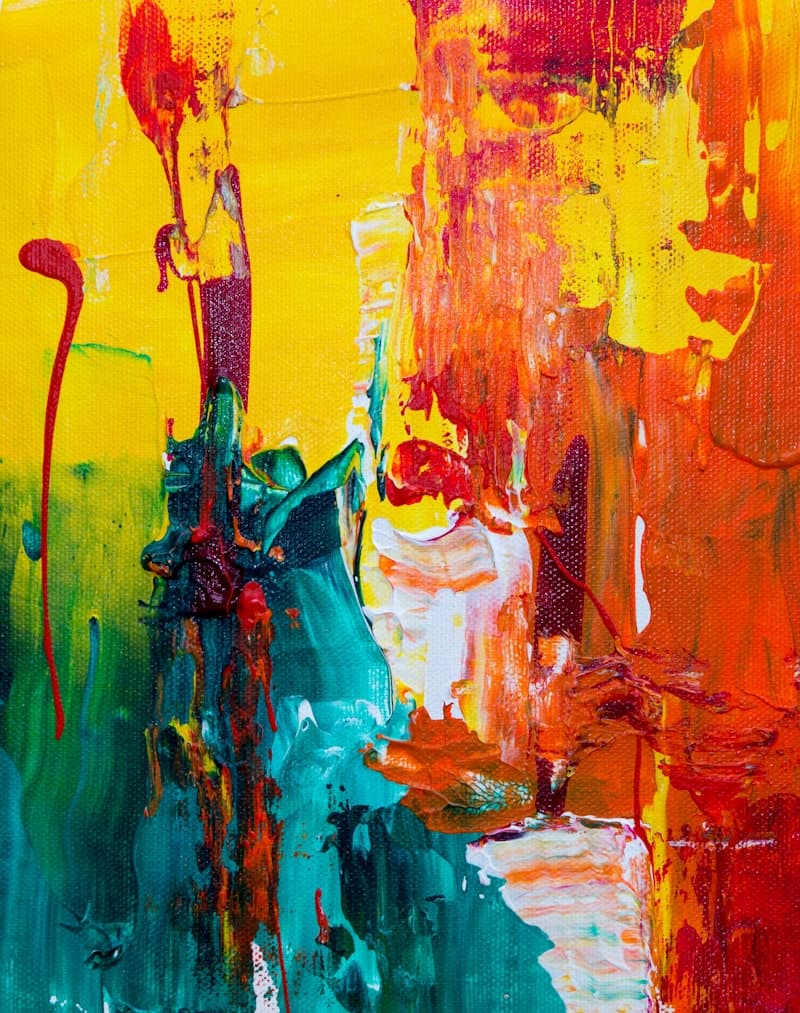
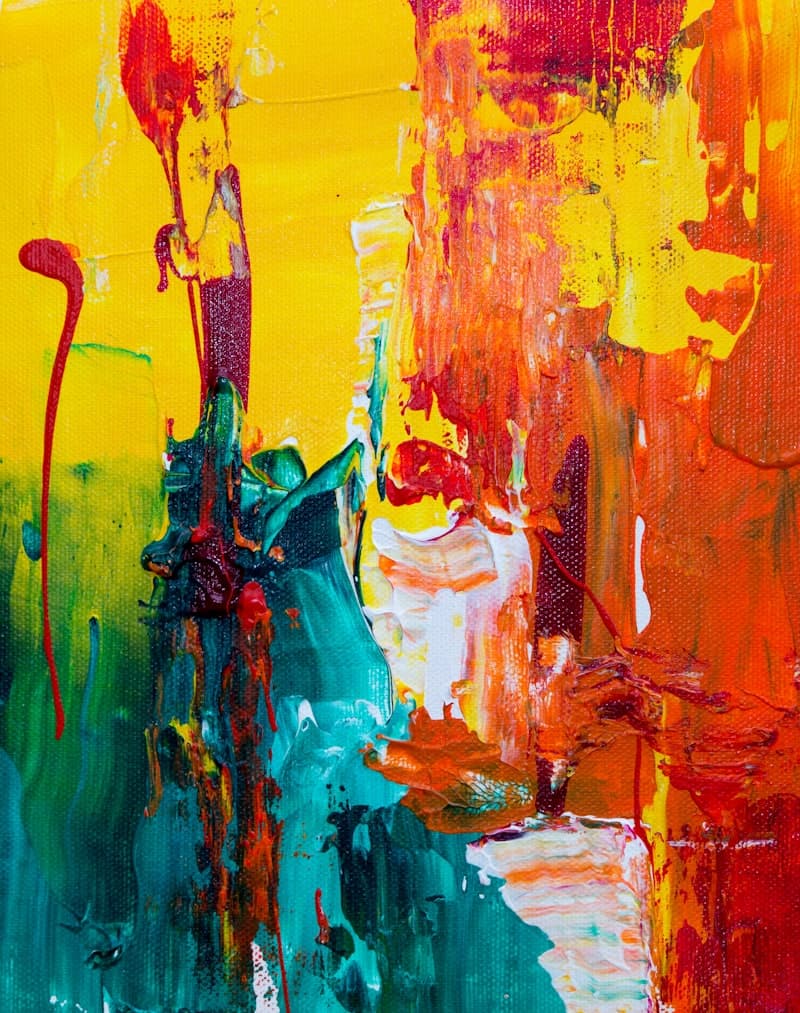
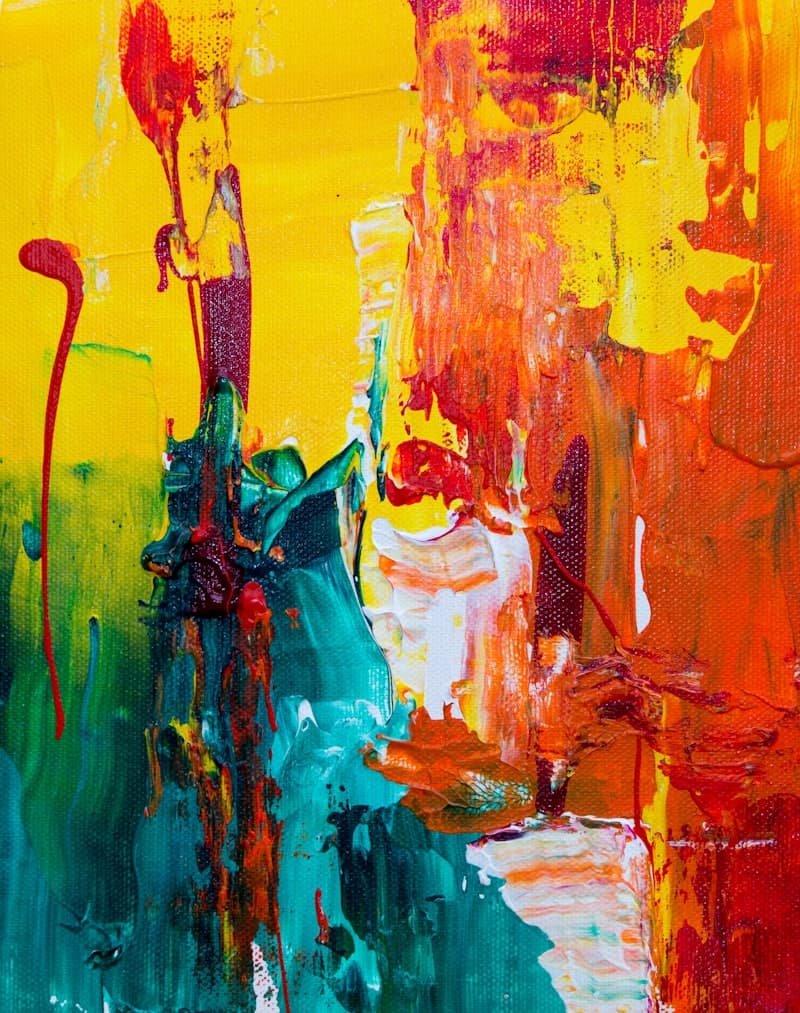
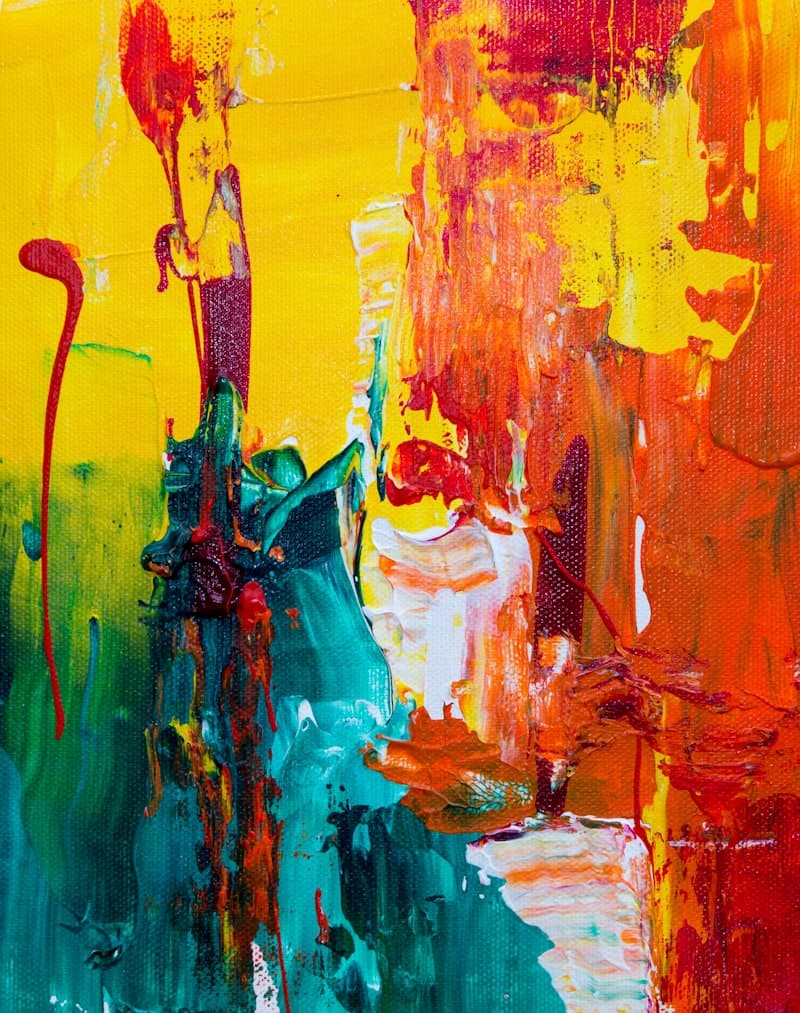
Pouring, tilting, blooming colors in water, and using intuitive mark-making liberates beginners from representational anxiety — abstract watercolor explores the medium's unique fluid properties most freely.

Graduated washes blending from deep ultramarine through orange to golden yellow capture the essence of sunset skies — the quintessential beginner exercise that teaches color mixing, blending, and speed.

Loose, gestural watercolor florals — roses, peonies, and wildflowers painted with confidence and minimal detail — are among the most popular and commercially successful styles for beginners to develop.

Lifting wet paint with a dry brush, tissue, or sponge creates highlights and texture. Liquid masking fluid preserves white paper while painting washes around it — essential for sparkling water and backlit subjects.

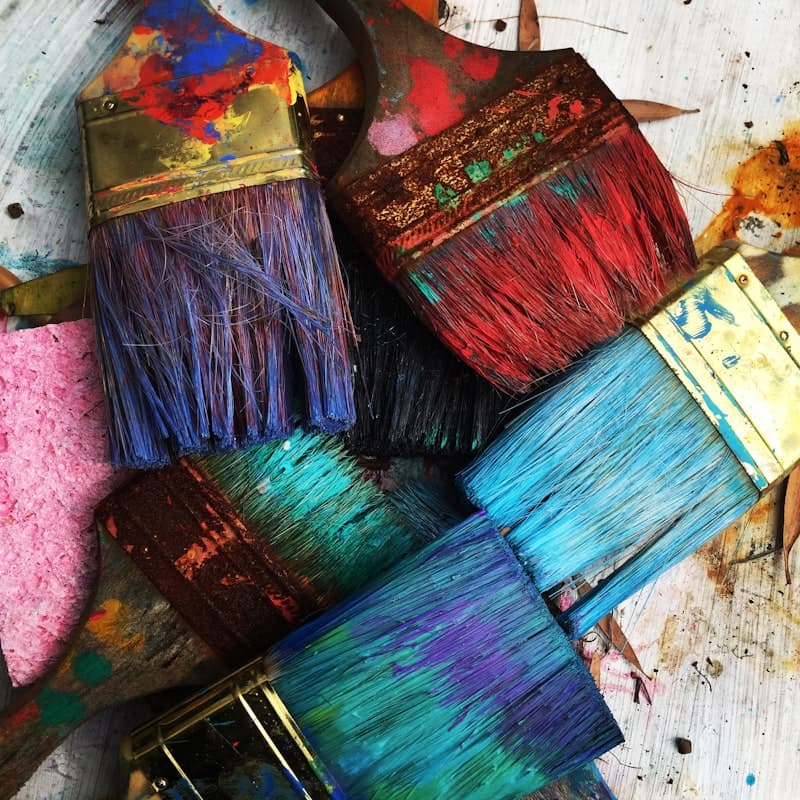
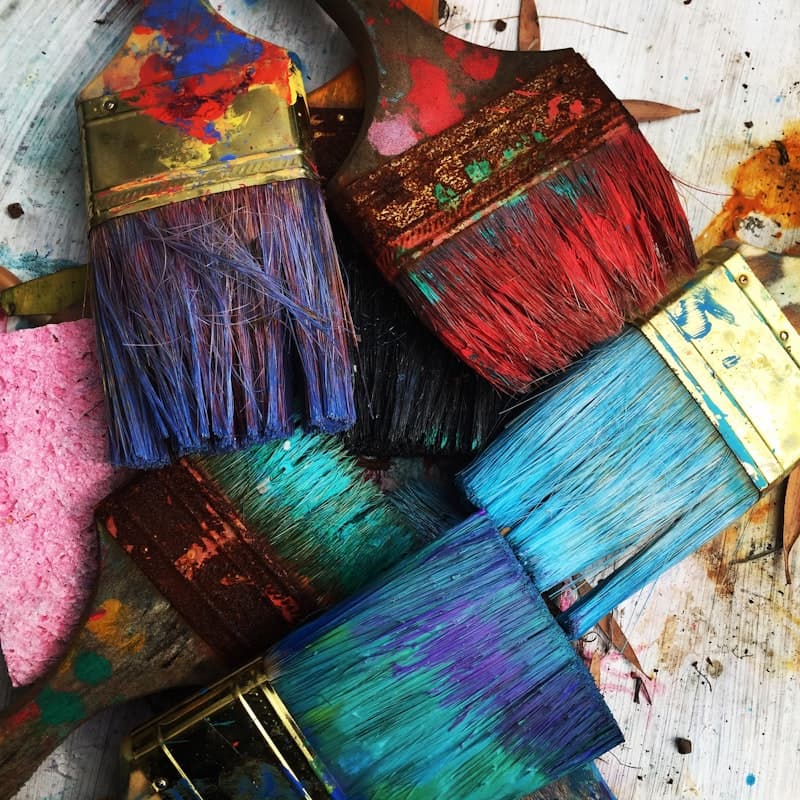
Invest in quality paper first (140lb/300gsm cold press cotton paper), then artist-grade paints (Daniel Smith, Winsor & Newton), and a few quality sable or synthetic brushes — cheap paper ruins every good attempt.

Sprinkling table salt onto wet watercolor creates stunning crystalline snowflake patterns as it absorbs paint — one of many texture techniques using plastic wrap, toothbrushes, and alcohol droplets.

Understanding color temperature, how pigments interact when mixed wet, which colors granulate, and which are transparent vs opaque is foundational knowledge for predicting and controlling watercolor outcomes.

Applying wet paint to dry paper creates crisp, defined edges ideal for detailed work, architectural subjects, and botanical illustration — the foundation technique for controlled watercolor painting.

Building transparent layers of color over dry washes creates luminous depth impossible with any other medium — each dried layer shows through the next, creating visual richness that glows from within.
“Watercolor Portraiture”
Currently ranked #1. Where will it be in 7 days?