Feijoada Lunch at a Traditional Botequim
Brazil's national dish — black bean and pork stew with rice, farofa, and orange slices — is best eaten at a traditional Rio botequim (neighbourhood bar) on a Saturday, the traditional feijoada day.
Rio's greatest experiences — from Christ the Redeemer sunsets to Copacabana beach life, Carnival, and the wild Atlantic Forest trails.

Brazil's national dish — black bean and pork stew with rice, farofa, and orange slices — is best eaten at a traditional Rio botequim (neighbourhood bar) on a Saturday, the traditional feijoada day.

Beyond the tourist postcard, Rio's southern beaches of Barra da Tijuca and Grumari deliver wilder surf, less crowds, and the untouched Atlantic Forest meeting the sea in one of South America's most beautiful coastal landscapes.

The Museu Nacional de Belas Artes in Rio holds Brazil's finest colonial and 19th-century art collection, including works by Eliseu Visconti and João Batista da Costa in a beautiful Neoclassical building.

Rio's hilltop artist colony of colonial mansions, stairway murals, independent galleries, and samba bars is the city's most atmospheric neighbourhood — reached by the restored yellow Lapa Arches tram.

The world's greatest festival — six days of samba school parades through the Sambadrome, blocos street parties across every neighbourhood, and costumes, music, and collective joy on a scale impossible elsewhere.

The colonial Lapa Arches aqueduct bridge is Rio's most distinctive landmark after Sugarloaf. Friday nights at Pedra do Sal in Gamboa are the most authentic samba rodas in the city — no tourists, all locals.

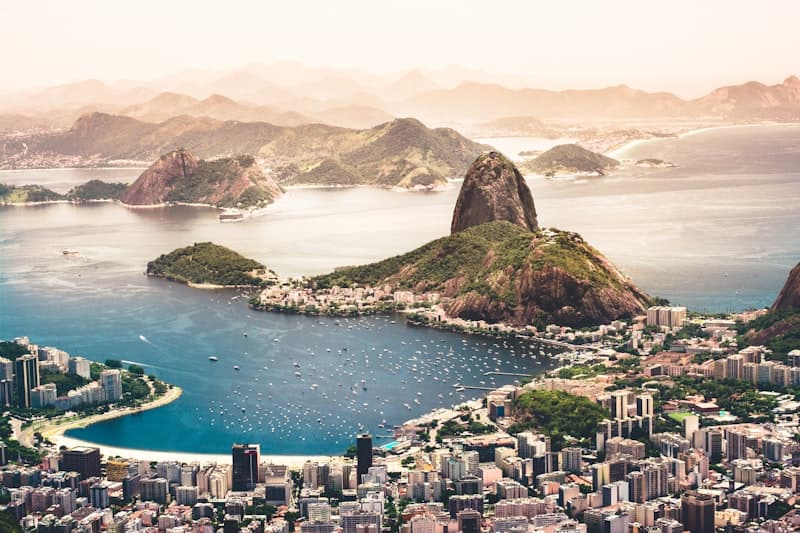
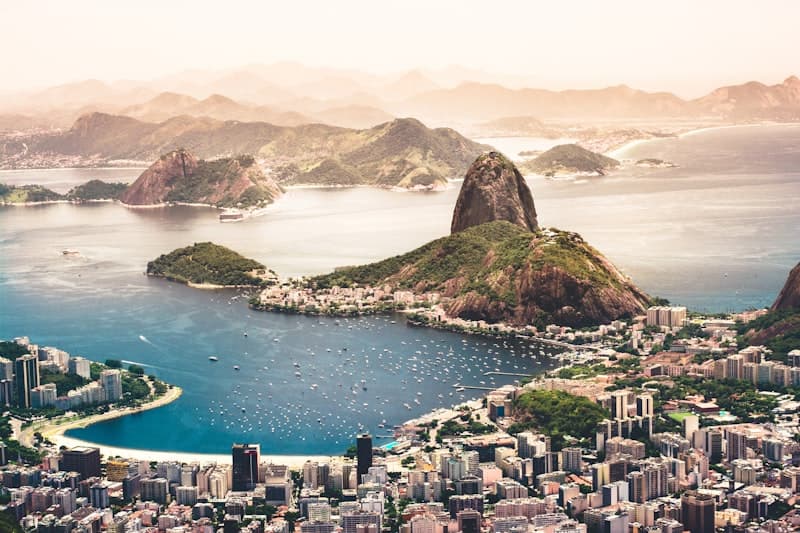
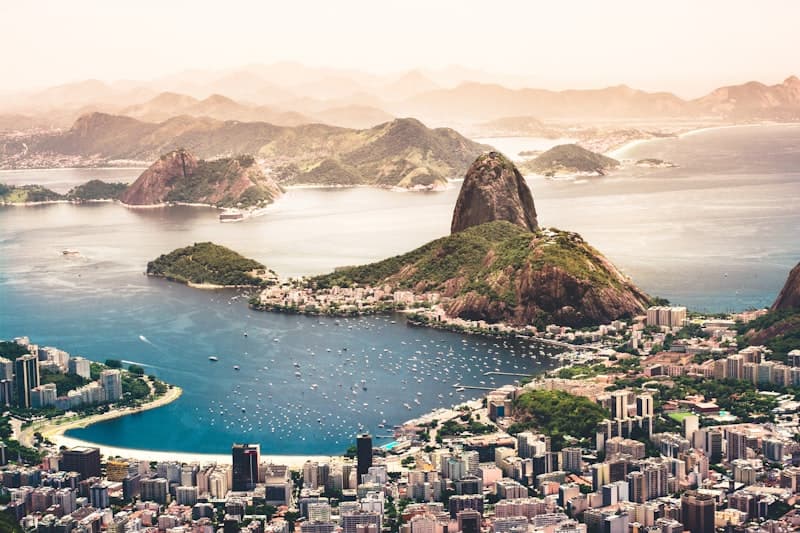
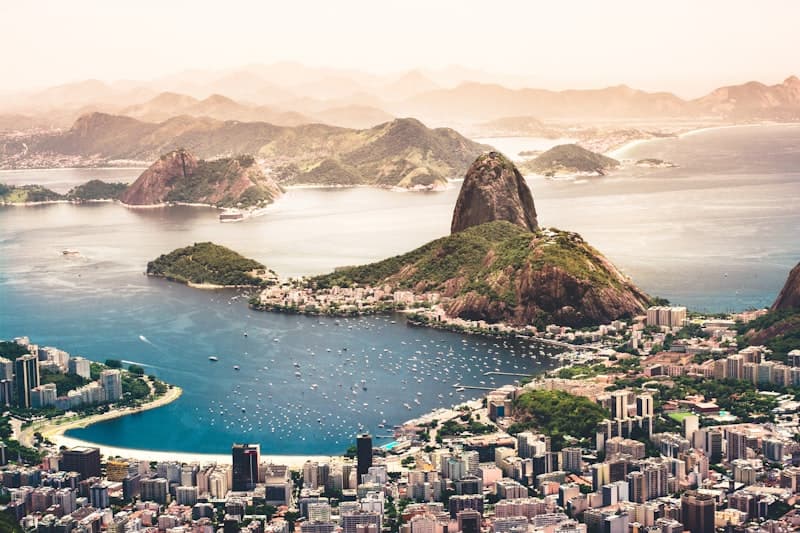
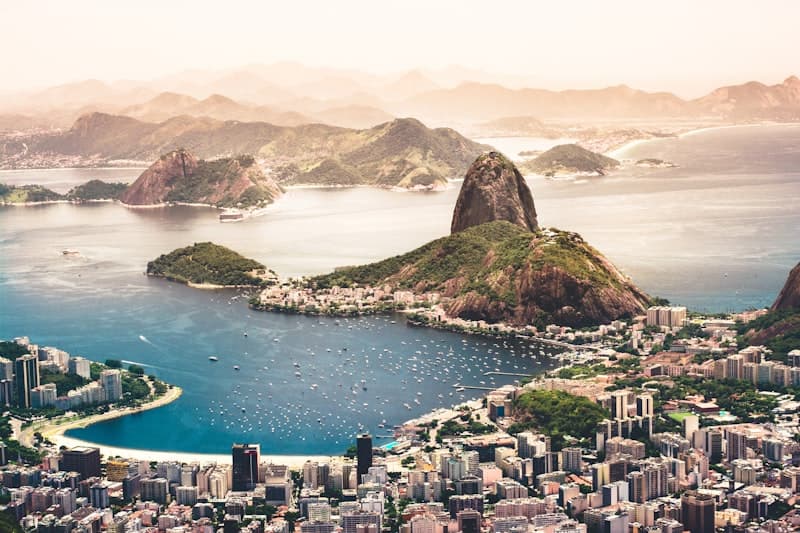
Two cable car stages ascend the iconic granite monolith at the mouth of Guanabara Bay. The summit view at sunset over Rio's beaches, mountains, and the sprawling city is unmatched in South America.

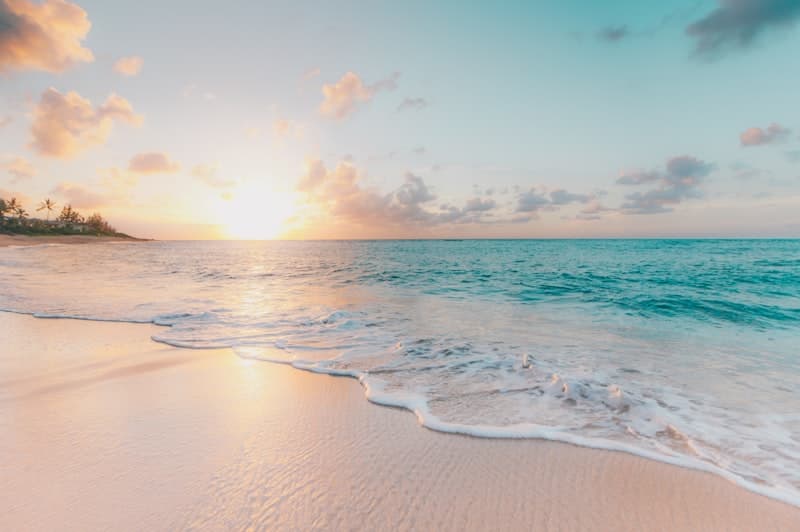
Rio's legendary beaches are living stages — caipirinha vendors, beach volleyball, football on the sand, and the weekly Sunday street fair at Ipanema's Praça General Osório define the Carioca beach lifestyle.

The 38-metre Art Deco statue atop Corcovado Mountain — one of the New Seven Wonders of the World — overlooks the entire city and bay in a panorama that reduces every visitor to silence.

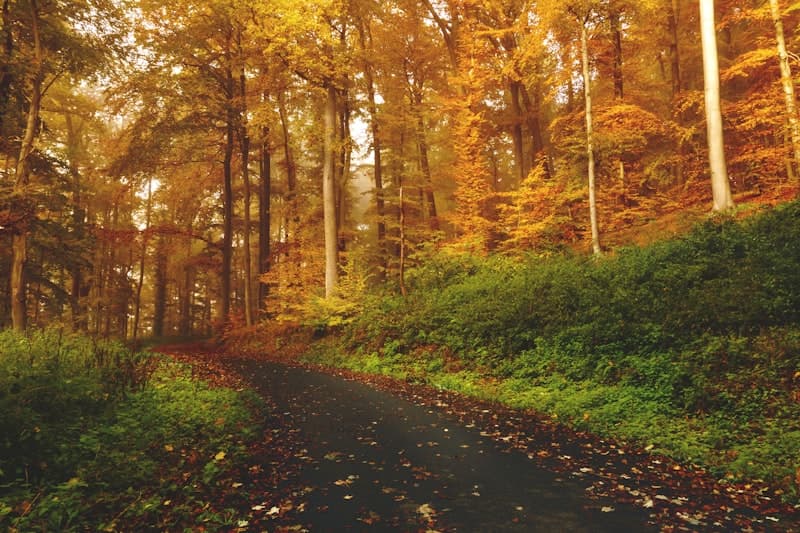
Tijuca is the world's largest urban forest — a restored Atlantic Rainforest of waterfalls, toucans, and hiking trails that existed before the city grew up around it. The Pico da Tijuca summit trail is excellent.

The hike through the Vidigal favela and up the twin peaks of Dois Irmãos delivers the most breathtaking view in Rio — Ipanema, Copacabana, Sugarloaf, and the entire coastline visible from the summit.

The Royal Botanical Garden founded in 1808 by King João VI houses 6,500 plant species including the Imperial Palms Avenue and the world's largest Victoria regia water lily display in a serene Tijuca Forest setting.
“Feijoada Lunch at a Traditional Botequim”
Currently ranked #1. Where will it be in 7 days?