White Tea (Silver Needle and White Peony)
The least processed tea category — minimal oxidation preserves delicate floral and sweet notes in Bai Hao Yin Zhen silver needle's early spring bud tips at prices reflecting their extraordinary scarcity.
From Japanese matcha to aged pu-erh and Taiwanese oolong, explore the world's most celebrated teas and master the brewing techniques that bring out their extraordinary flavors.

The least processed tea category — minimal oxidation preserves delicate floral and sweet notes in Bai Hao Yin Zhen silver needle's early spring bud tips at prices reflecting their extraordinary scarcity.

Shaded for three weeks before harvest, gyokuro concentrates L-theanine and chlorophyll producing Japan's finest green tea with intense umami, sweet complexity, and the most seaweed-like character of any tea.

Semi-oxidized tea from Taiwan's highest tea gardens — floral aroma, creamy texture, and complex buttery sweetness that evolves across multiple infusions make Taiwanese oolong the world's most nuanced tea category.

Stone-ground tencha green tea dissolved in hot water rather than steeped — ceremonial grade matcha's bright green color, umami depth, and frothy texture from chasen whisking create tea's most meditative preparation.

Golden-tipped Yunnan black tea with a chocolate, caramel, and malty sweetness without bitterness — Yunnan's yunnan gold is the world's most complex black tea and an outstanding introduction to Chinese black teas.

Green teas (70-80°C), white teas (75-80°C), oolongs (85-95°C), and black teas (95-100°C) each have optimal temperatures — boiling water destroys green tea's delicate catechins producing bitter, flat results.

Purple clay teapots from Yixing, China absorb tea oil over time developing a seasoning specific to one tea type — a properly seasoned Yixing adds complexity that no other brewing vessel can replicate.

Spring harvest from Darjeeling's high-altitude gardens produces muscatel character — the delicate, bright, slightly astringent first flush is priced like fine wine and appreciated by tea connoisseurs worldwide.

The only true aged tea — compressed raw (sheng) or fermented (shou) pu-erh from Yunnan Province develops complexity over decades like fine wine, with the most aged examples from pre-1990 fetching extraordinary prices.

The Chinese 'kung fu tea' method using small clay or ceramic teapots with high leaf-to-water ratios and multiple short infusions extracts different flavor profiles across 5-15 steepings from a single session.

Chamomile, peppermint, rooibos, and hibiscus are infusions from plants other than Camellia sinensis — caffeine-free and botanically diverse, herbal tisanes offer wellness benefits distinct from true tea.

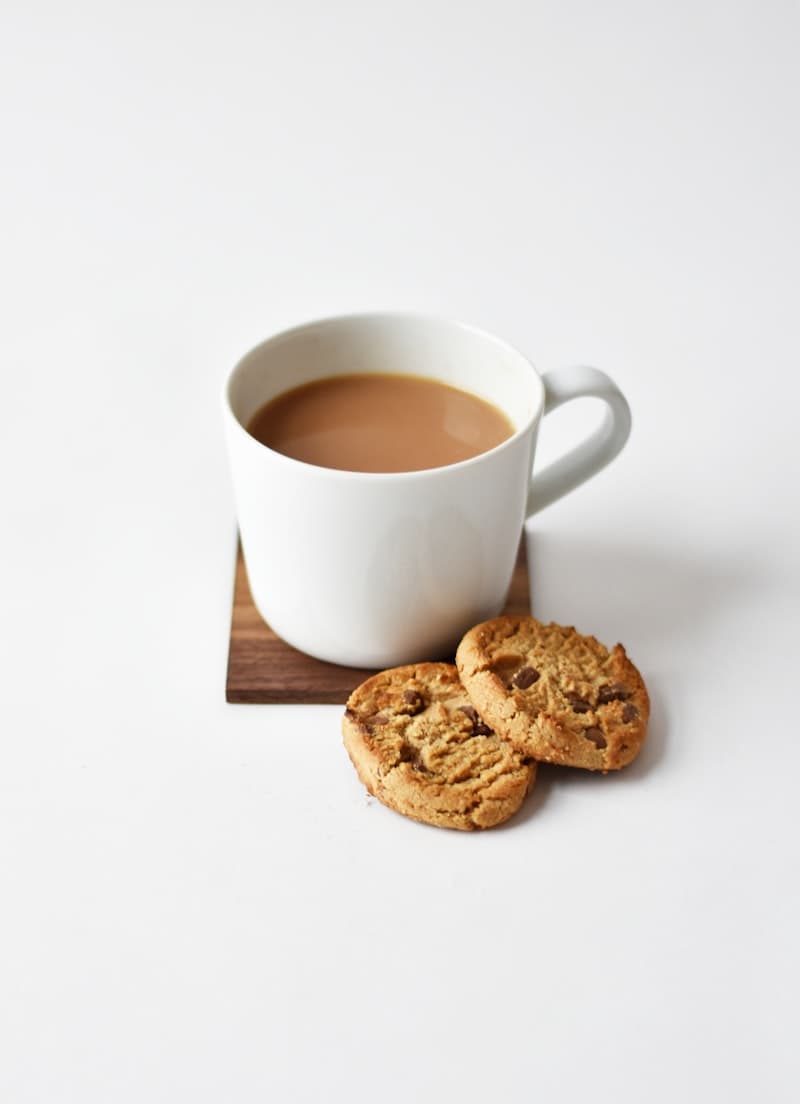
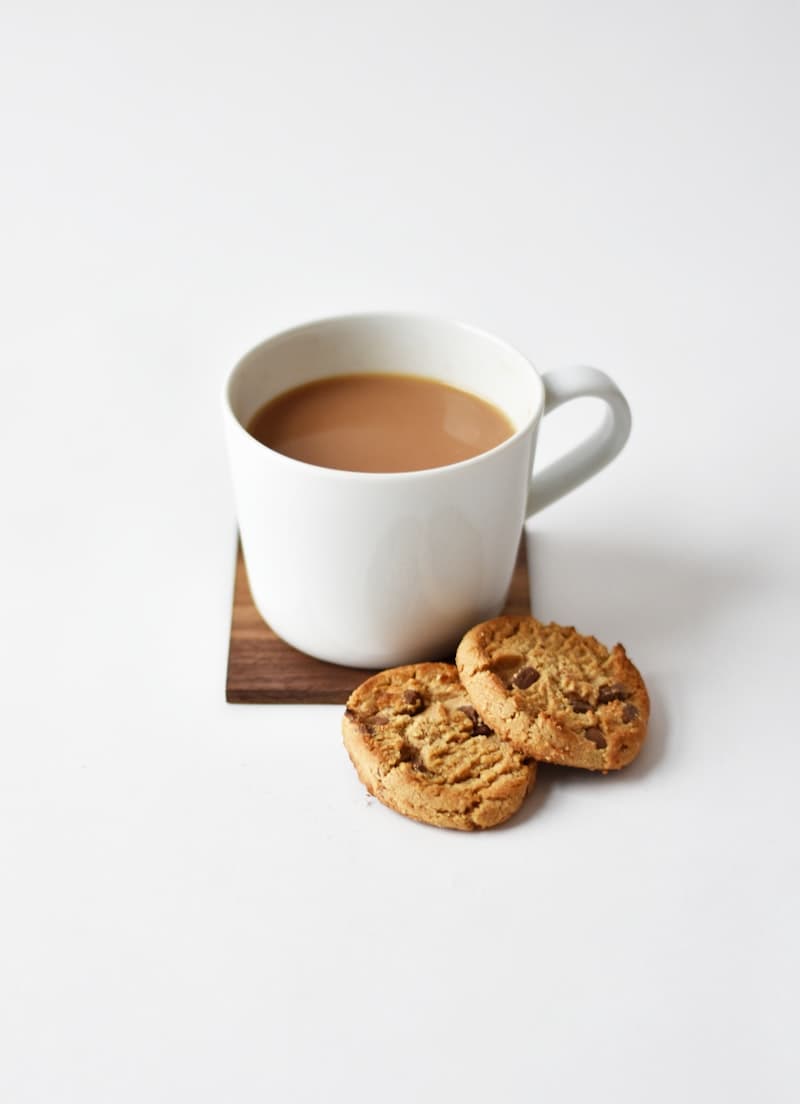
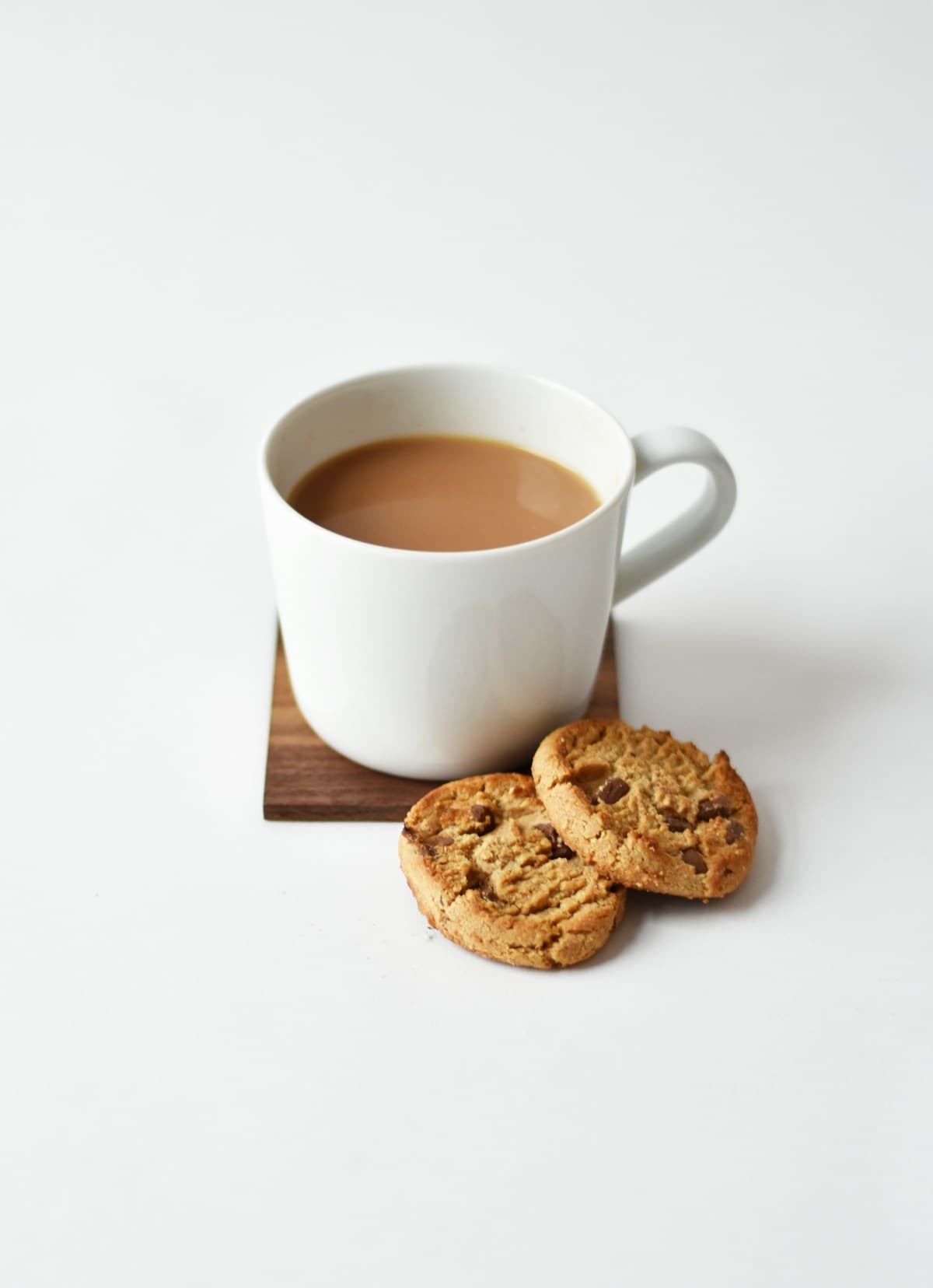
A robust blend of Assam, Ceylon, and Kenyan teas designed for milk and sugar — the British institution served with a splash of milk at exactly the right strength is the world's most consumed tea style.
“White Tea (Silver Needle and White Peony)”
Currently ranked #1. Where will it be in 7 days?
TeaTop 100 teas ranked — from Darjeeling first flush and Japanese matcha to Taiwanese oolong and premium pu-erh. Every tea style and origin covered.