Stone Carving
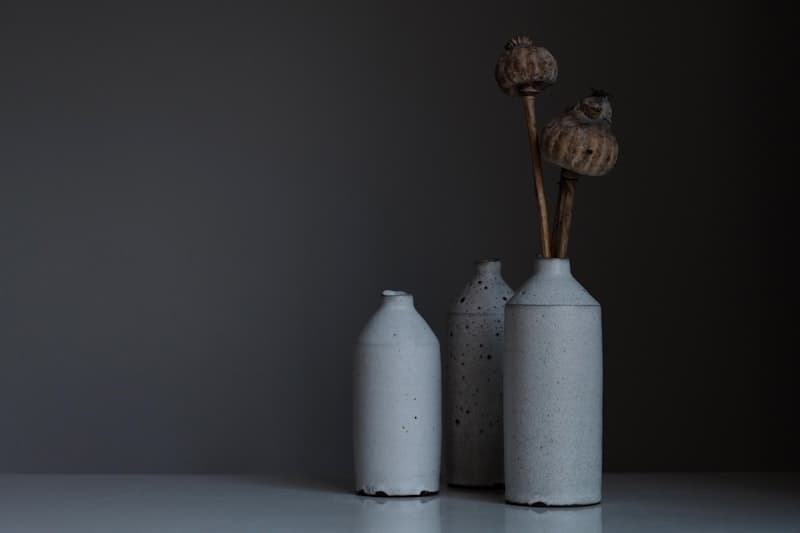
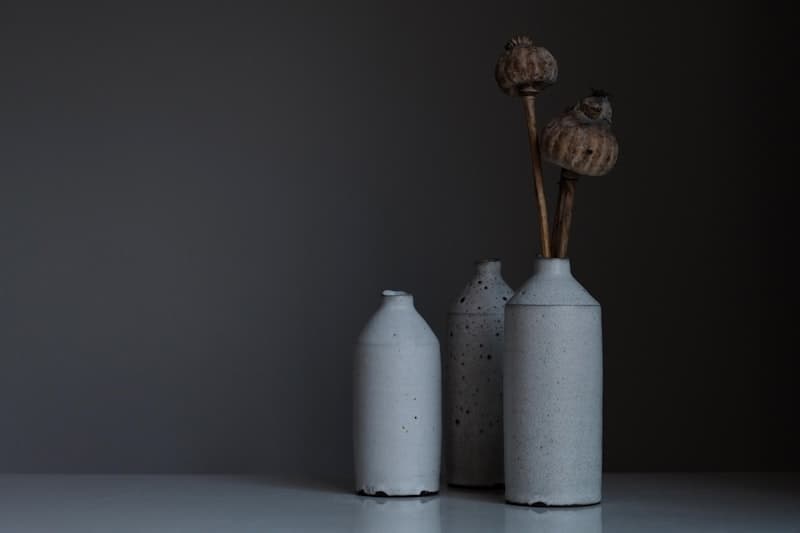
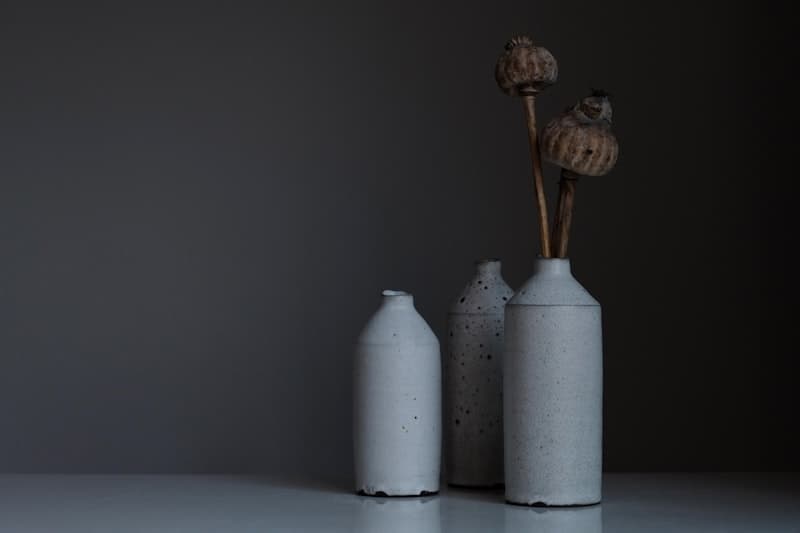
Direct carving in limestone, marble, soapstone, or alabaster using chisels and pneumatic tools. Stone carving rewards patience — soapstone's softness makes it accessible to beginners while marble demands professional tools.
A guide to the most popular sculpting mediums — from polymer clay to bronze casting — with techniques, tools, and tips for beginners and professional sculptors alike.

Direct carving in limestone, marble, soapstone, or alabaster using chisels and pneumatic tools. Stone carving rewards patience — soapstone's softness makes it accessible to beginners while marble demands professional tools.

Two-part epoxy putties used by miniature painters, prop makers, and jewellers for fine detail work. Epoxy putty bonds to virtually any surface, cures rock-hard, and accepts extremely fine tool marks.

3D sculpting software used in film, games, and toy design. ZBrush is the industry standard for high-polygon digital sculpture; Blender offers free, professional-grade sculpting tools accessible to all skill levels.

Oven-hardening polymer clay (Sculpey, Fimo, Premo) is the most beginner-friendly sculpting medium. It stays workable indefinitely at room temperature, bakes in a home oven, and accepts paint, stain, and varnish.

Constructing a wire or foam internal skeleton before applying clay or other media. A well-built armature prevents cracking, supports weight distribution, and enables sculpting complex poses that couldn't stand unsupported.
Subtractive sculpture using chisels, gouges, and knives to carve form from solid wood. Wood carving ranges from beginner whittling with a folding knife to professional furniture relief carving with full tool sets.

Water-based clay that hardens at room temperature without firing — no kiln required. Air-dry clay (DAS, Crayola Model Magic) suits decorative sculpture, wall art, and functional pieces up to moderate scale.
Non-hardening oil clay used by professional sculptors, concept artists, and animatronics designers. Oil clay remains permanently workable, making it ideal for portrait busts, maquettes, and mold-making.
Creating silicone molds from original sculptures to produce unlimited identical resin or plaster copies. Mold making unlocks production sculpture, small batch art toys, jewelry, and prop reproduction.

Kiln-fired ceramics using stoneware and earthenware clays — the most ancient and enduring sculpting medium. Wheel throwing and hand-building create functional vessels, figurines, and large-scale sculpture.
Pulp-reinforced clay that dries lighter, stronger, and more crack-resistant than regular air-dry clay. Paper clay's exceptional adhesion makes it ideal for hollow forms, masks, and large sculptural installations.
The ancient technique of creating a wax model, investing it in refractory material, burning out the wax, and pouring molten bronze. Lost wax casting produces the permanent, prestigious bronze sculpture of museums.
“Stone Carving”
Currently ranked #1. Where will it be in 7 days?