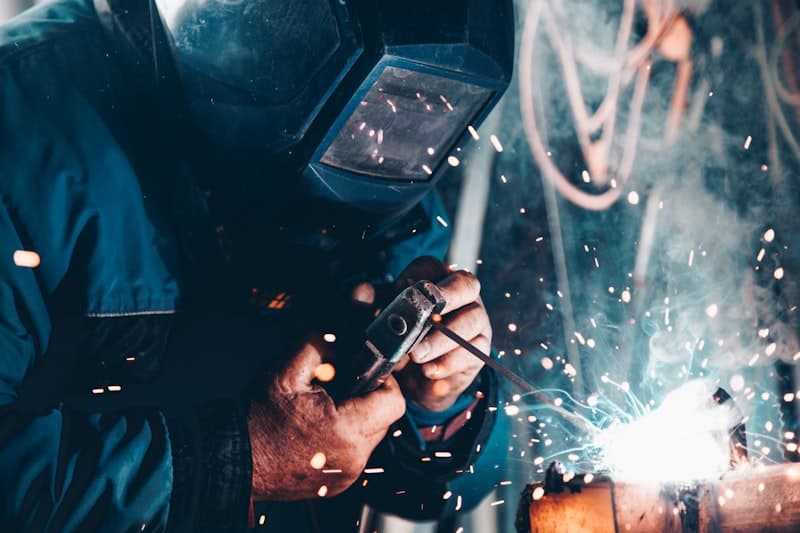
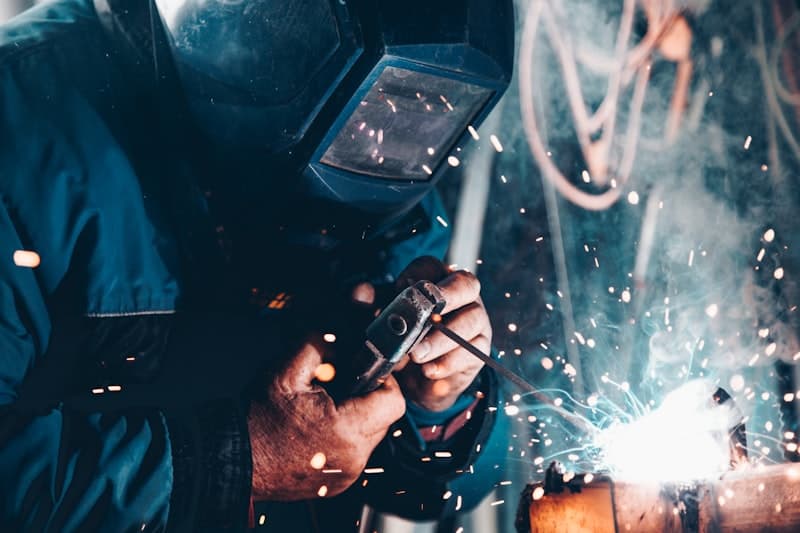
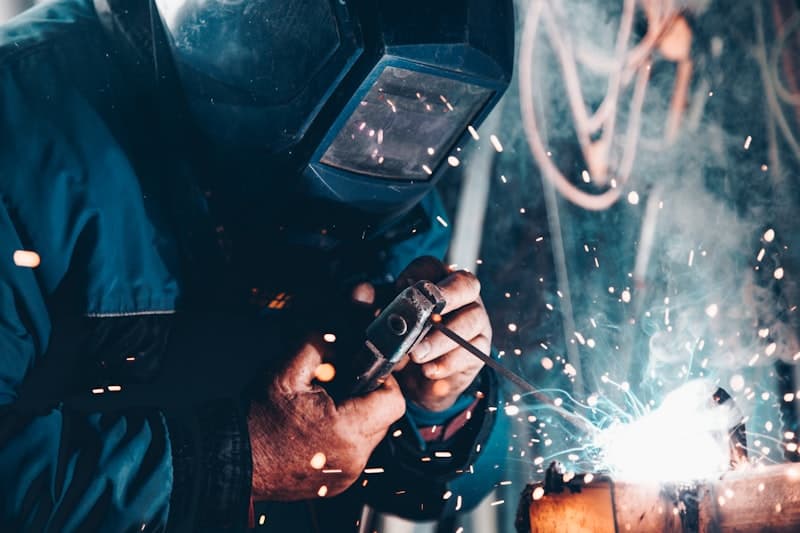
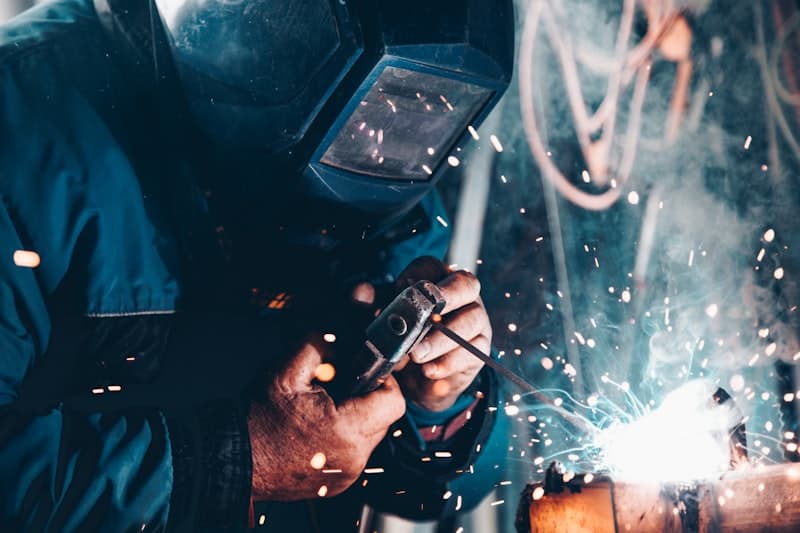
Hand Sanding and Surface Finishing
Progressive hand sanding from 120 to 400 to 800 to 1500 grit to produce a satin or mirror finish. Hand sanding is meditative, produces excellent results, and reveals the steel's character without power tools.
A complete guide to knife making — from stock removal with beginner tools to forged blades and Damascus steel. Covers steels, handle materials, heat treatment, and finishing for aspiring bladesmiths.
Progressive hand sanding from 120 to 400 to 800 to 1500 grit to produce a satin or mirror finish. Hand sanding is meditative, produces excellent results, and reveals the steel's character without power tools.

The beginner's first complete knife project — grinding a blade from 1084 steel, heat treating, attaching handle scales with pins and epoxy, and hand finishing to a working edge. A complete foundational project.
Selecting handle scales — G10, Micarta, stabilized wood, bone, or natural wood — and designing ergonomic handle geometry. The handle determines the knife's feel in the hand and heavily influences its aesthetic identity.
The beginner's entry point — grinding a knife profile from flat bar steel using angle grinders and files without forging. Stock removal is faster and more accessible than bladesmithing and produces excellent results with quality steel.
Shaping the knife profile and grinding the primary bevel on a belt grinder. Consistent hollow grinds require a platen and proper technique — the bevel geometry determines cutting performance more than any other variable.

Forging a classic hunting knife shape — drawing out the blade, forming the distal taper, and establishing the bevels through forging before grinding. A foundational bladesmith project teaching heat and hammer control.
Understanding primary bevel angle, secondary edge bevel, and convex vs. V-ground edges. Freehand sharpening on whetstones is the bladesmithing standard — producing edges sharper than any factory-sharpened knife.

Hand-stitching a functional belt sheath from vegetable-tanned leather using saddle stitch technique. Making a fitted sheath for your knife completes the project and teaches the fundamentals of leatherworking.

Forge welding alternating layers of high and low carbon steel, folding repeatedly to create thousands of layers. The resulting pattern-welded Damascus develops unique visual patterns through acid etching after heat treatment.
Fitting a metal guard between blade and handle — silver solder, tight fit, or epoxy bonded. A well-fitted guard is a mark of craftsmanship and provides hand protection and aesthetic definition to a finished knife.

Hardening knife steel by heating to non-magnetic critical temperature and quenching in oil or water. Home heat treatment with a propane forge or kiln is achievable with careful temperature control and appropriate quench media.

1084, 1095, 5160, O1, and D2 are the most recommended beginner knife steels — each offering different toughness, edge retention, and ease of heat treatment. Steel selection fundamentally determines blade performance.
“Hand Sanding and Surface Finishing”
Currently ranked #1. Where will it be in 7 days?