01
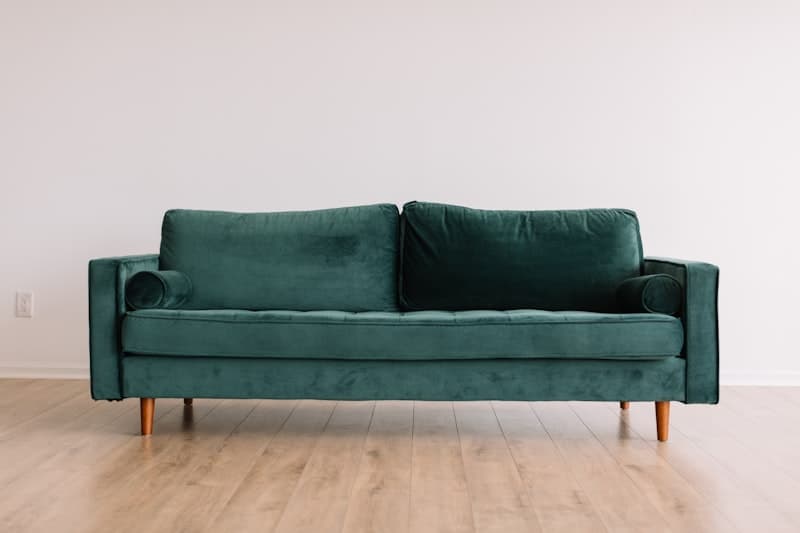
Industrial
Exposed brick, concrete floors, metal pipe shelving, and Edison bulbs — the aesthetic born in converted New York lofts that made raw, unfinished building materials into deliberate design choices.
▲ Steady·Score +16
Interior design is a language — and knowing the vocabulary transforms how you approach every room. These are the defining design styles that have shaped homes across the world, each with its own philosophy, palette, and key elements.
Exposed brick, concrete floors, metal pipe shelving, and Edison bulbs — the aesthetic born in converted New York lofts that made raw, unfinished building materials into deliberate design choices.
More is more — bold wallpaper, layered colour, gallery walls, collections on display, and visual abundance. Maximalism is a deliberate rejection of minimalism and a celebration of personality expressed through stuff.
Symmetry, antique furniture, rich woods, ornate mouldings, and formal arrangements — traditional interiors draw on European heritage, emphasising craftsmanship, permanence, and timeless formality.
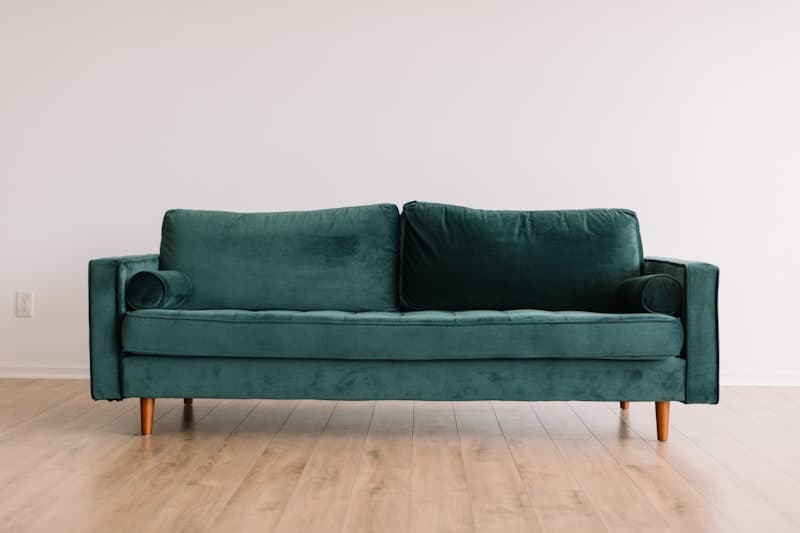
Bringing the natural world indoors through living walls, water features, natural materials, abundant plants, and maximum daylight — biophilic design improves wellbeing, reduces stress, and increases cognitive performance.
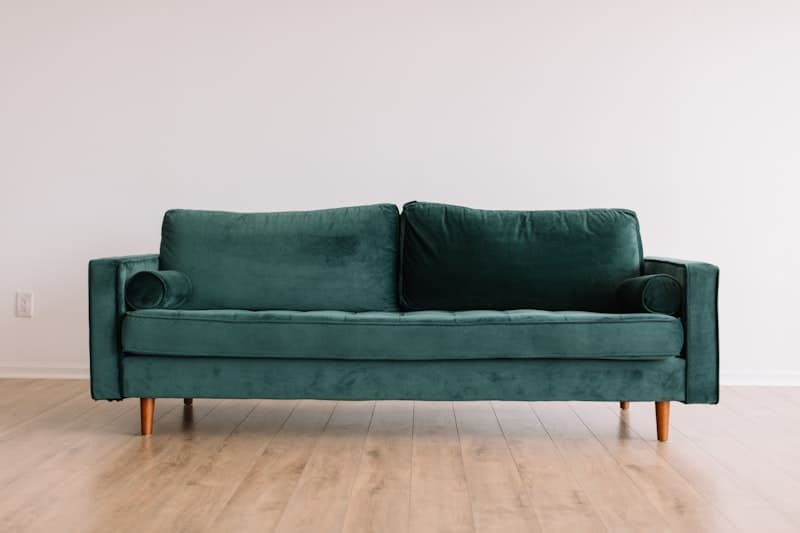
Shiplap walls, distressed wood beams, apron sinks, mason jars, and natural woven baskets — the American farmhouse aesthetic celebrates wholesome rural warmth and was popularised globally by Chip and Joanna Gaines.
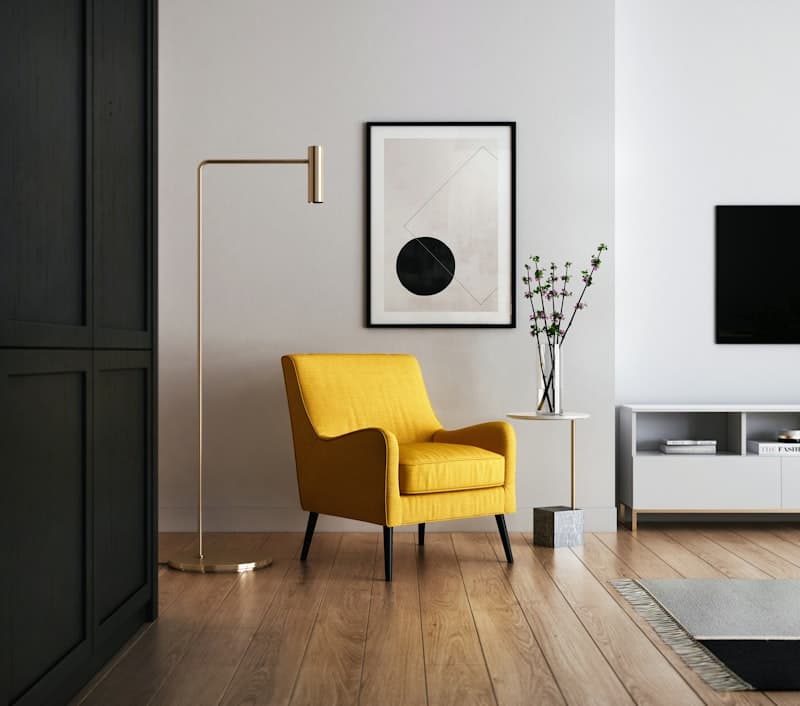
Geometric patterns, mirrored surfaces, bold symmetry, gold and black accents, and luxurious materials — Art Deco channels the glamour of 1920s Paris and Hollywood and remains the most theatrical of all interior styles.
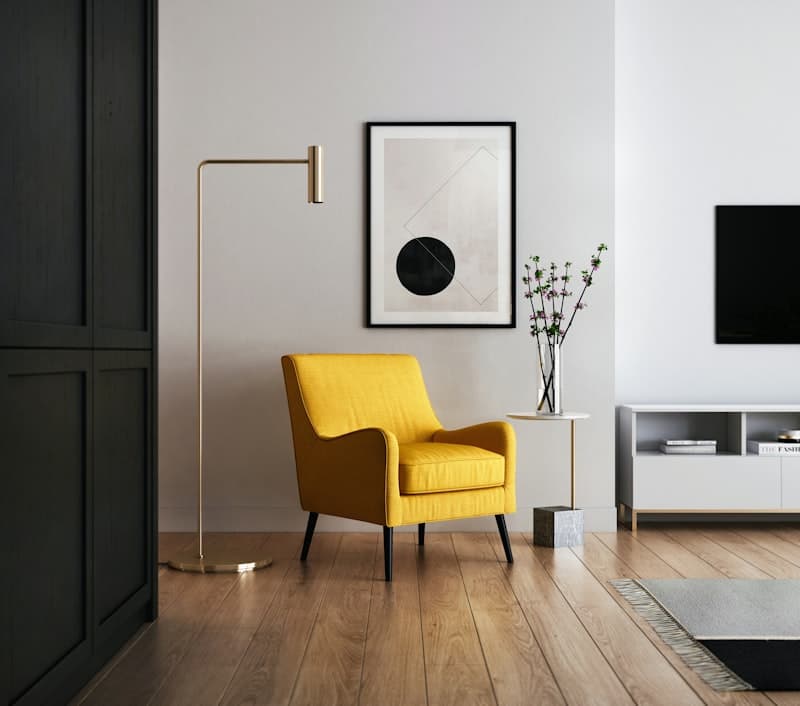
Contemporary design evolves with what is happening right now — currently characterised by warm neutrals, curved furniture, organic shapes, sustainable materials, and a reaction against the cold greys of the 2010s decade.
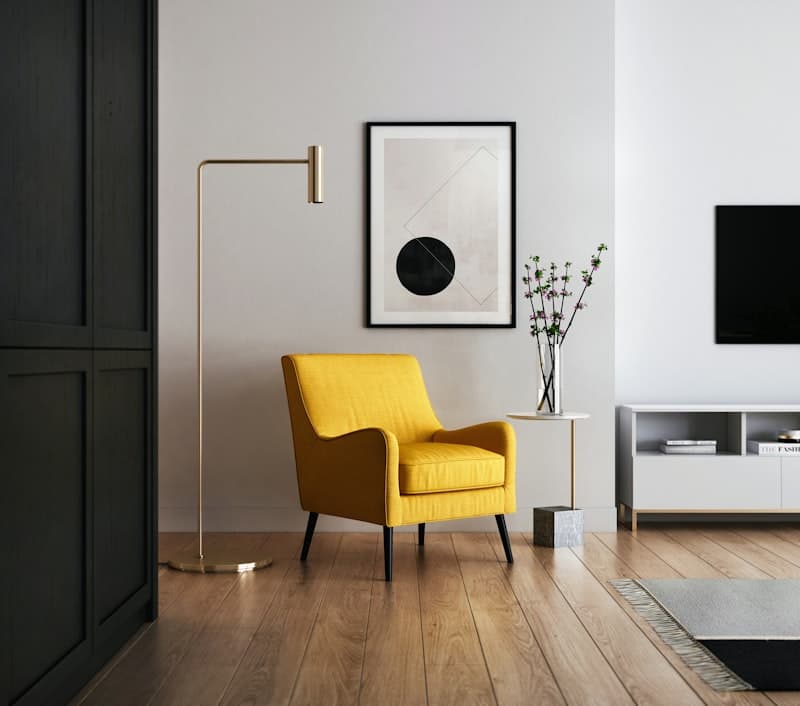
Layered textiles, global artefacts, abundant plants, mismatched patterns, and warm jewel tones — Boho design celebrates personal expression, cultural curiosity, and the beauty of collected-over-time authenticity.
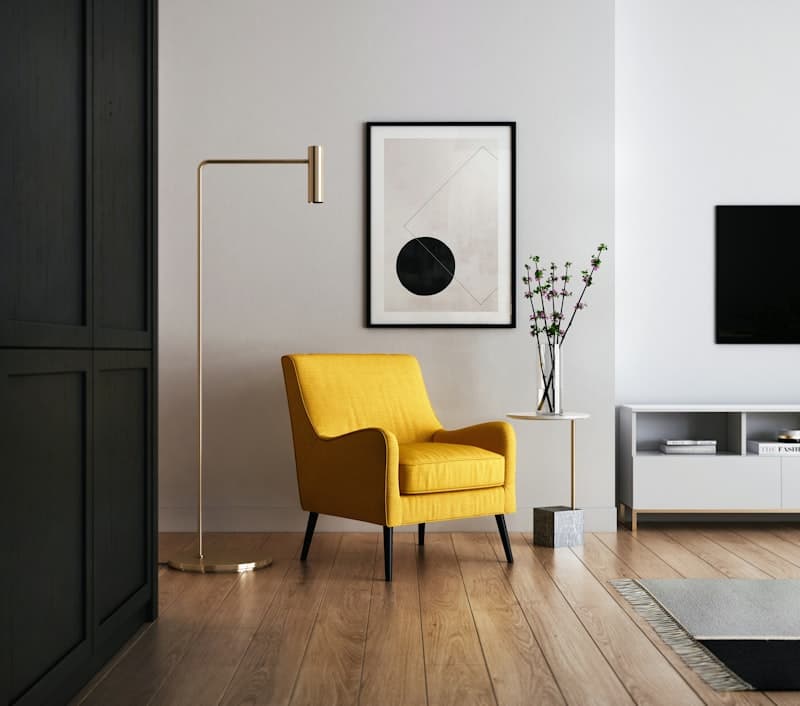
Organic curves, teak furniture, Eames chairs, and sunburst clocks — the 1950s and 60s American design movement that shaped the suburban dream. Eternally in revival because its proportions are simply exceptionally liveable.
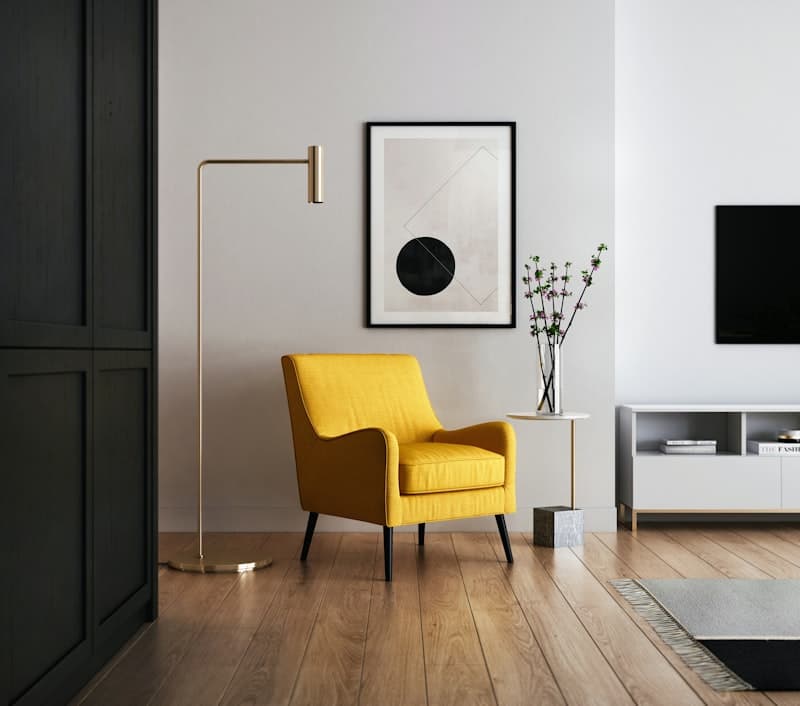
Crisp white walls, natural linens, driftwood accents, blue and white stripes, and an abundance of light — the coastal aesthetic channels relaxed seaside living with a polished, effortless elegance.
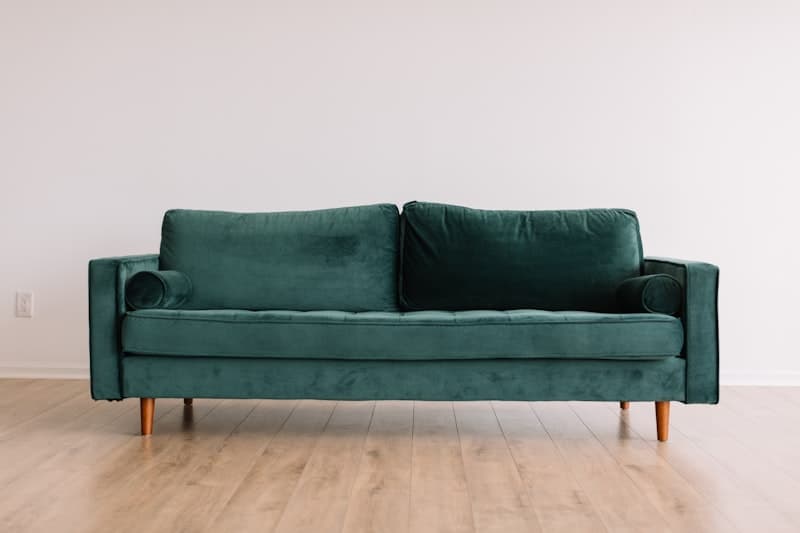
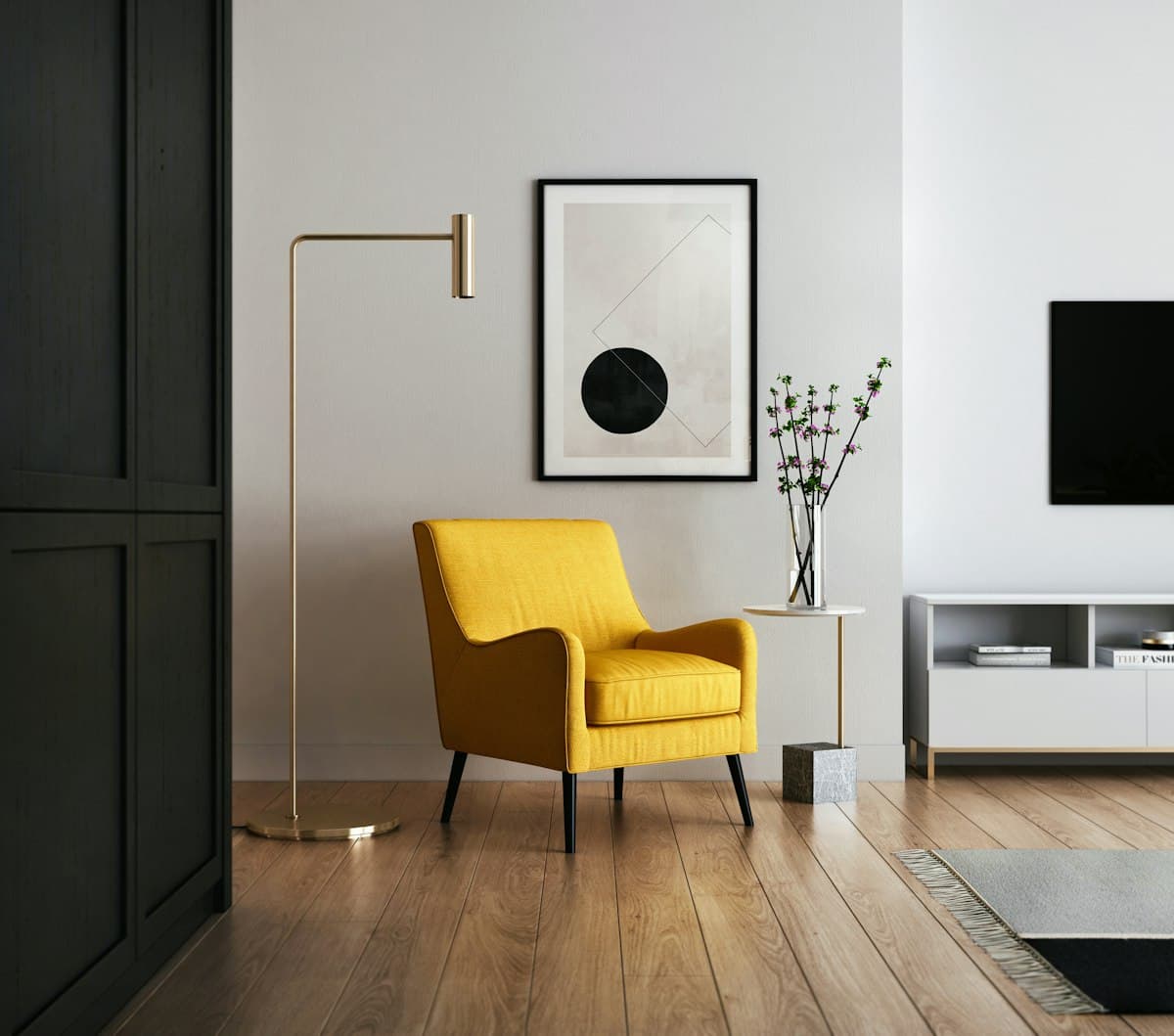
Light woods, white walls, clean lines, and deliberate absence of clutter — Scandinavian design prioritises function, natural materials, and hygge warmth. Ikea popularised it globally but true Scandi design has depth far beyond flat-pack.
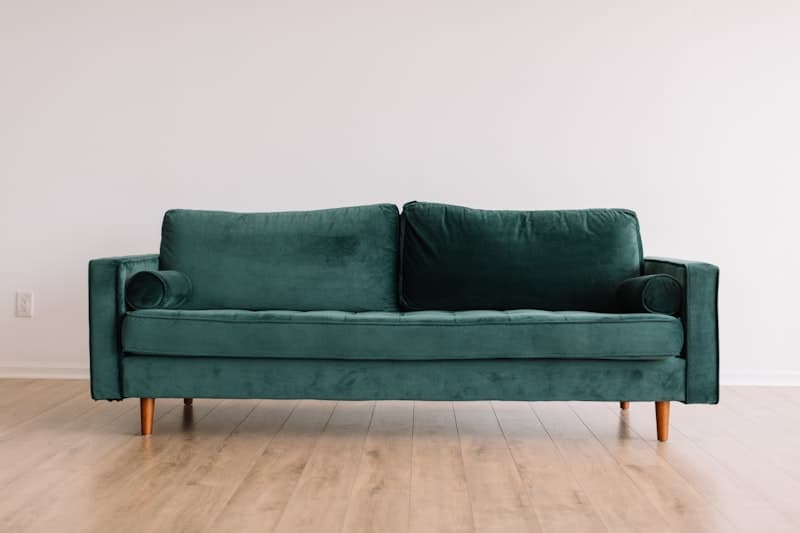
The 2020s dominant aesthetic blends Japanese wabi-sabi philosophy with Nordic minimalism — natural textures, muted earthy tones, handmade objects, negative space, and a deep respect for imperfection and simplicity.
“Industrial”
Currently ranked #1. Where will it be in 7 days?
 Home & Living
You do not need a designer budget or a complete renovation to transform a room. These are the highest-impact, most affordable decor ideas that interior designers use to instantly elevate any space from ordinary to extraordinary.
 Home & Living
Organisation is not about having less — it is about having a place for everything. These are the most effective, stylish, and genuinely life-changing storage solutions for every room in the home, from tiny studios to large family houses.
 Home & Living
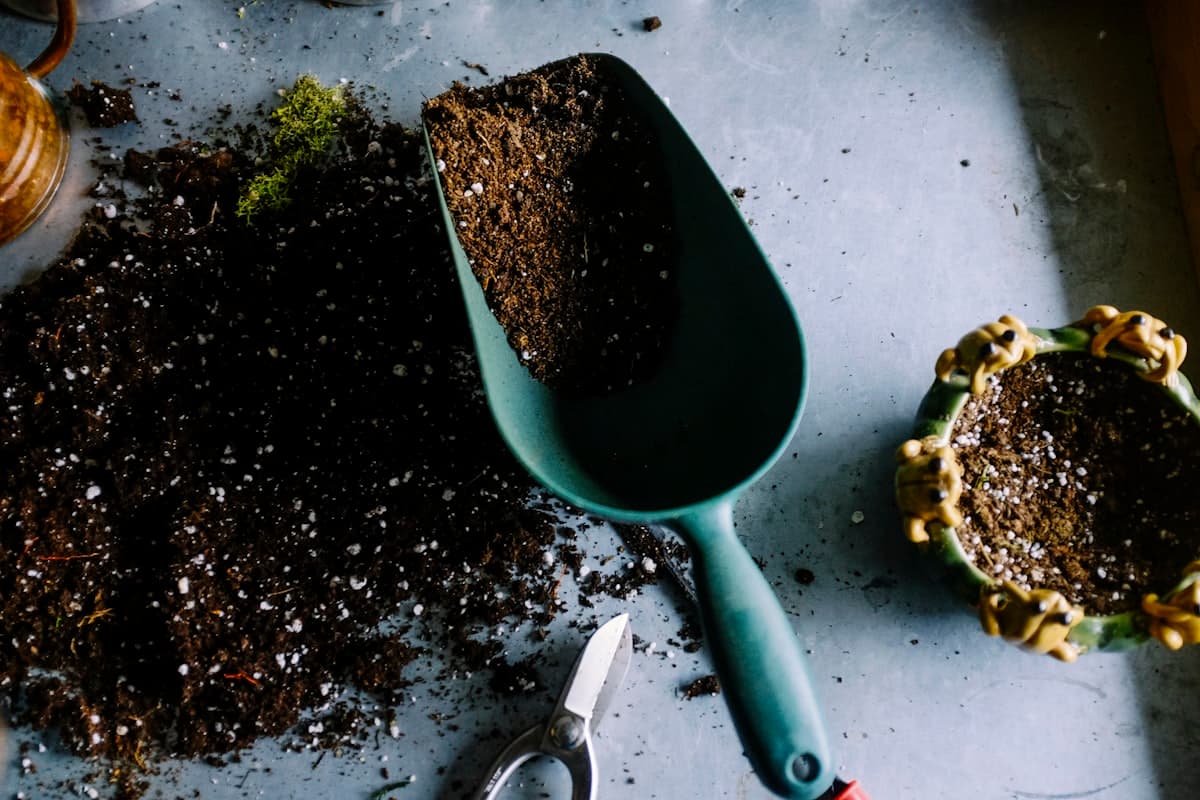
Plants transform a house into a home — improving air quality, reducing stress, and bringing natural beauty indoors. Whether you are a serial plant killer or an experienced plant parent, here are the best houseplants for every situation.