Succession Planting for Continuous Harvest
Staggering the same crop's planting every 2-3 weeks ensures continuous harvest throughout the season — instead of 100 radishes at once, you get fresh radishes every week from April through October.
Grow a thriving garden with these expert gardening techniques — from soil preparation to pest management, these proven practices apply to vegetable, flower, and ornamental gardens of any size.

Staggering the same crop's planting every 2-3 weeks ensures continuous harvest throughout the season — instead of 100 radishes at once, you get fresh radishes every week from April through October.

Starting from seed costs 80% less than buying transplants, offers vastly more variety choices, and teaches plant life cycles — direct sowing versus indoor starting depends on each crop's specific requirements.

Perennials return year after year reducing replanting labor; annuals bloom longer but require annual replanting — strategic combinations create gardens that are both low-maintenance and continuously beautiful.

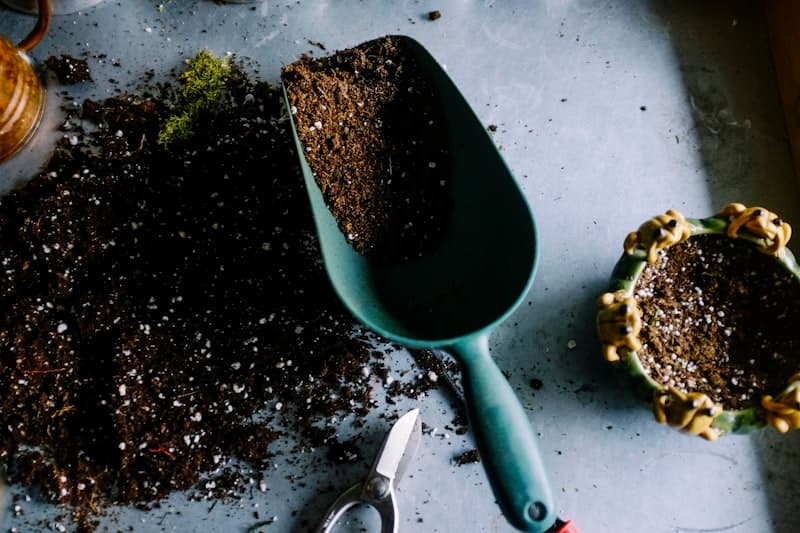
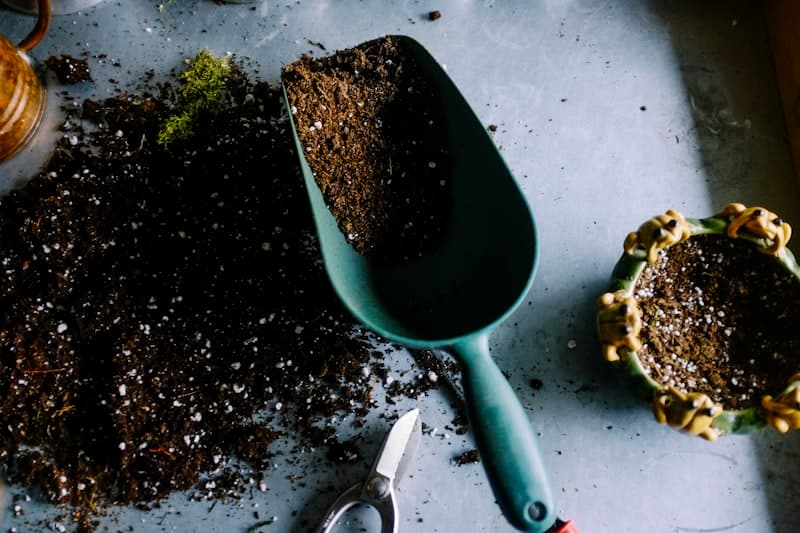
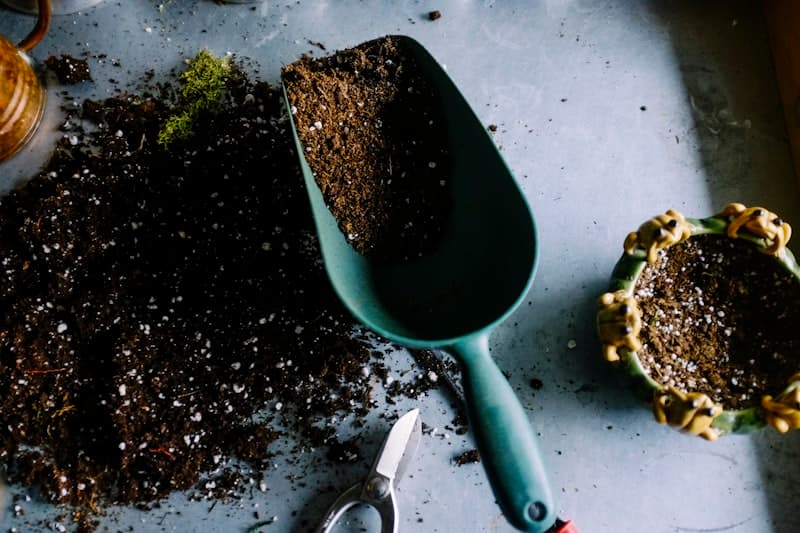
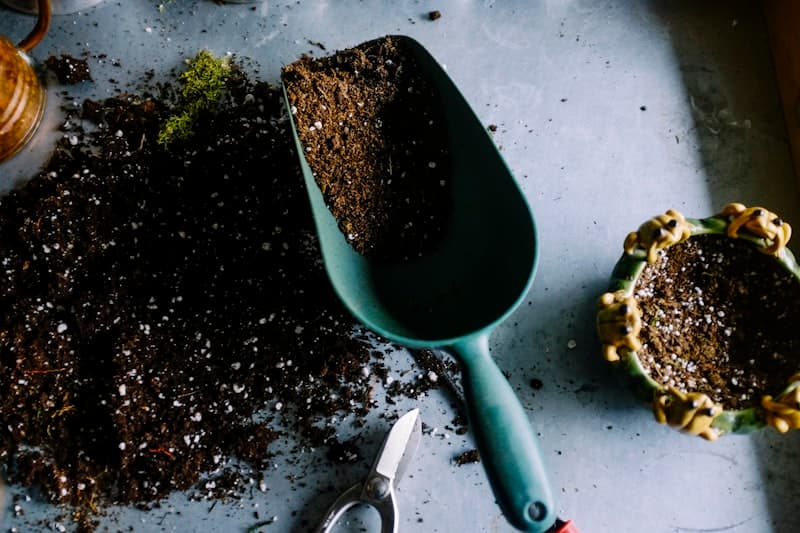
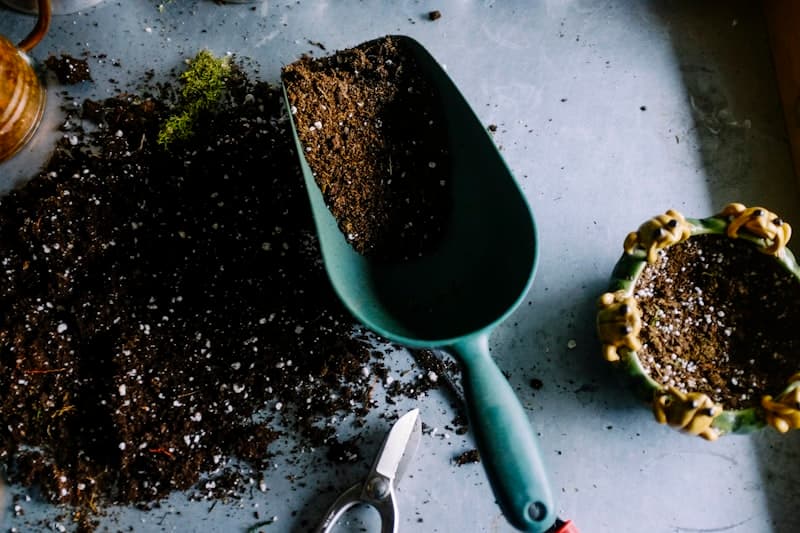
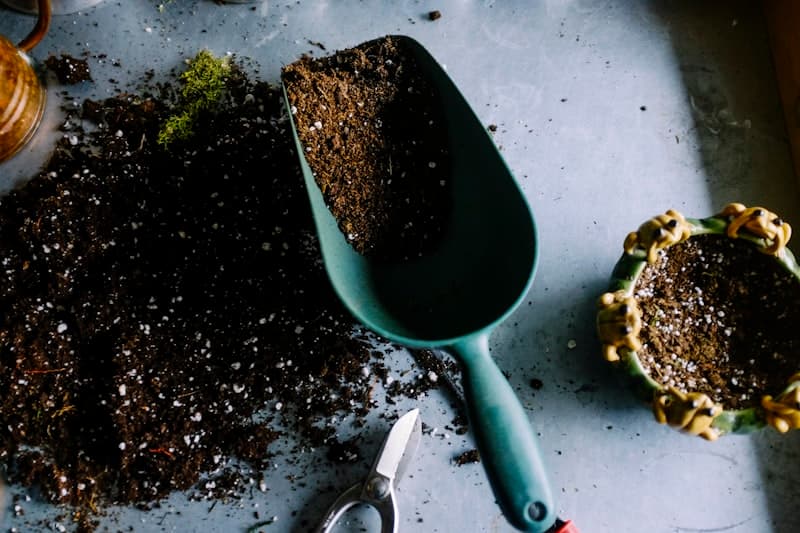
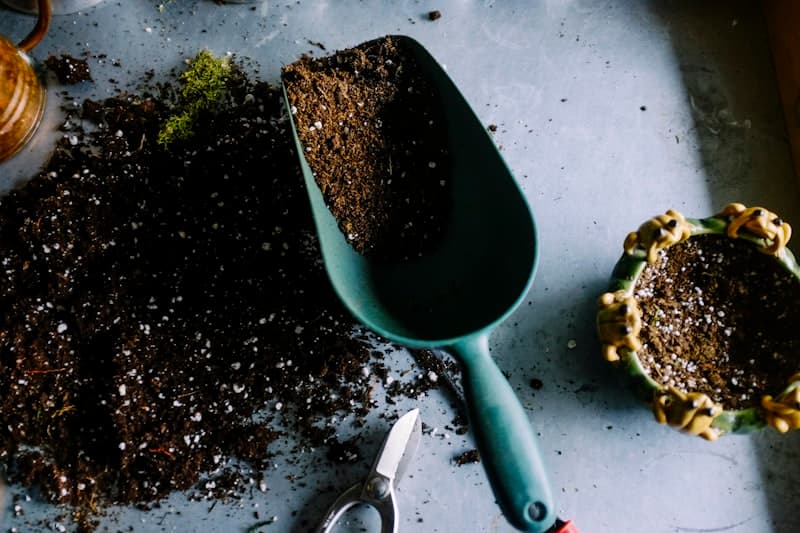
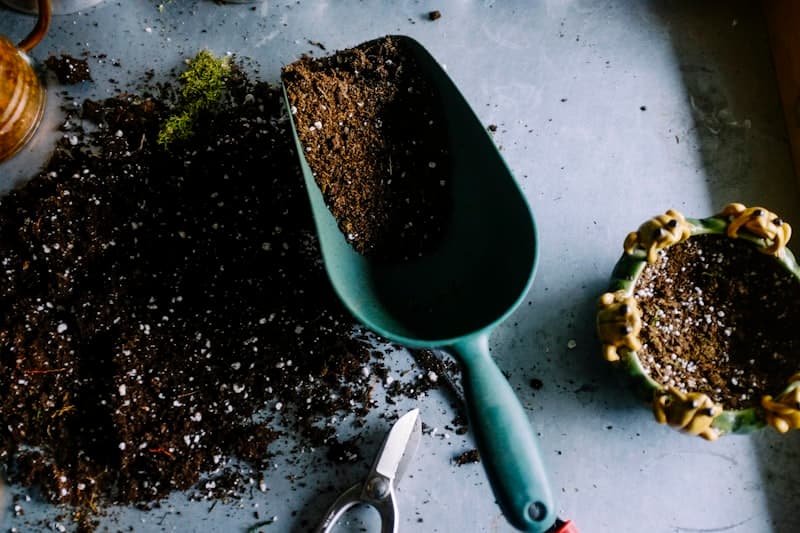
Gardening success begins below the surface — amend clay or sandy soil with compost, aged manure, and organic matter to create the loamy, well-draining, nutrient-rich growing medium that plants actually thrive in.

Control soil quality, improve drainage, reduce weeding, and extend the growing season with raised beds — cedar or galvanized metal beds filled with the perfect growing mix transform any backyard into a productive garden.

October planting of garlic, spring bulbs, and cover crops maximizes garden productivity — cleaning beds, amending soil, and planning next year's layout during fall dramatically improves spring planting success.

Managing garden pests using the least harmful methods first — hand-picking insects, introducing beneficial predators (ladybugs, lacewings), then organic sprays (neem oil), reserving chemical pesticides as last resort.

A 3-inch layer of straw, wood chips, or shredded leaves suppresses weeds, retains soil moisture, regulates temperature, and decomposes into soil-improving organic matter over a growing season.

Kitchen scraps and yard waste transformed into garden gold in 3-6 months — a compost pile or bin reduces waste, improves soil structure, feeds beneficial microorganisms, and eliminates fertilizer costs.

Strategic plant partnerships deter pests and improve yields — tomatoes and basil repel pests together, Three Sisters (corn, beans, squash) support each other structurally and nutritionally in Native American tradition.

Tomatoes, zucchini, lettuce, beans, and radishes consistently succeed for beginners — fast-growing, forgiving, and producing abundantly in small spaces, these vegetables build confidence for more ambitious plants.

Water deeply and infrequently (1-2 inches per week) to encourage deep root growth — morning watering reduces fungal disease, drip irrigation delivers water to roots without wetting foliage.
“Succession Planting for Continuous Harvest”
Currently ranked #1. Where will it be in 7 days?
GardeningThe most beautiful, resilient, and easy-to-care-for houseplants that thrive indoors with minimal effort, perfect for new plant parents.
Essential gardening knowledge for growing beautiful flowers, vegetables, and herbs successfully in any space.