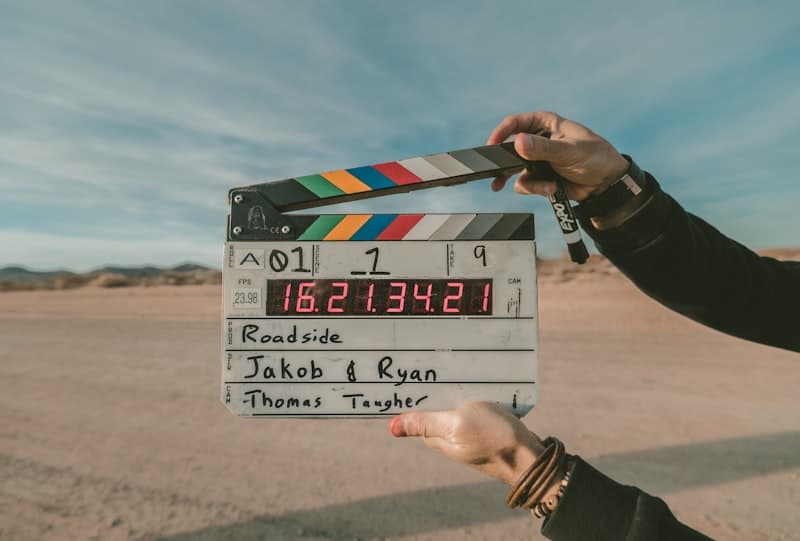
Colour as Emotional Language
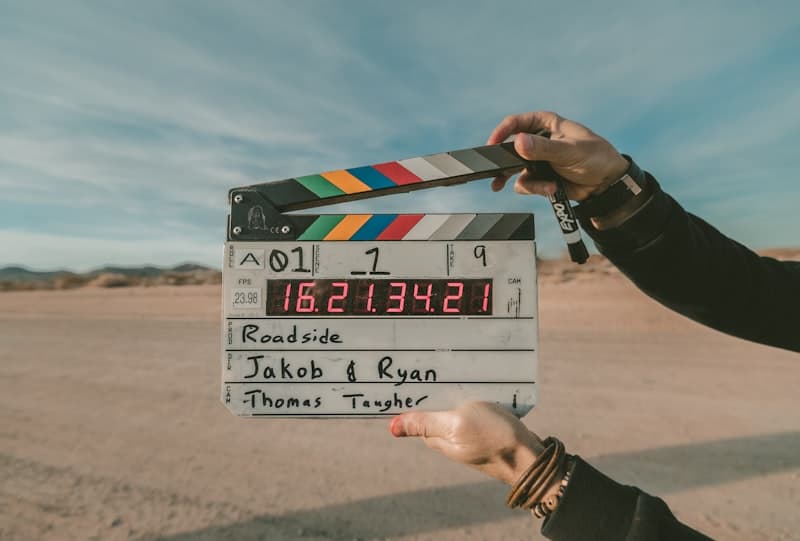
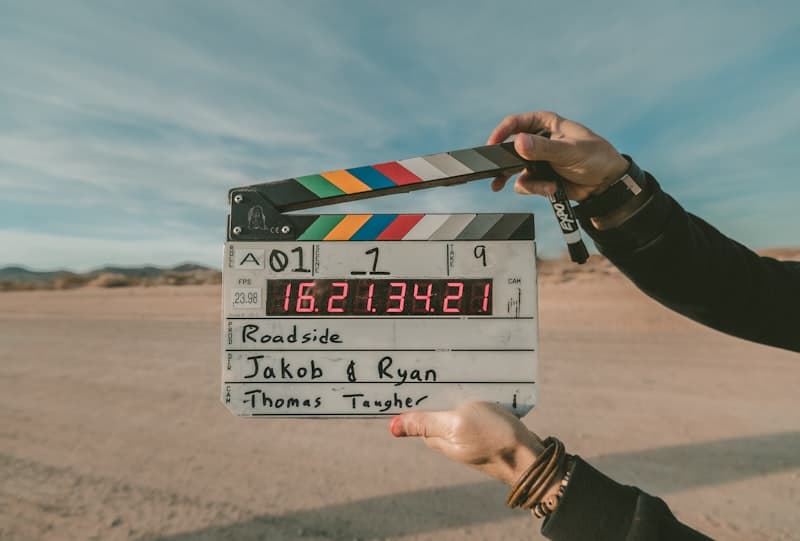
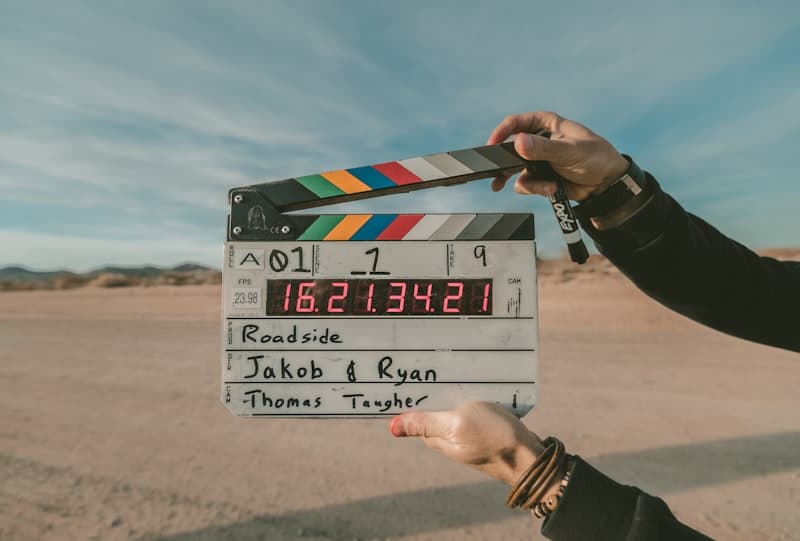
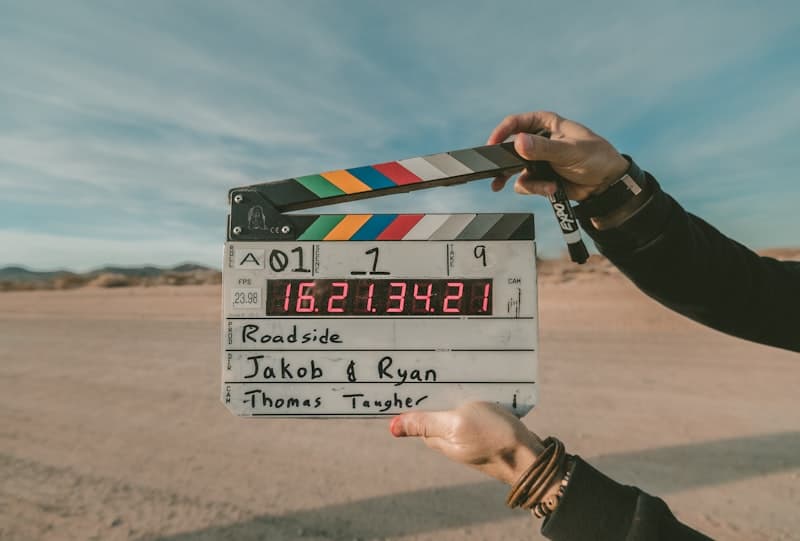
Using colour grading and production design to associate emotional states with specific palettes. Kubrick used cold blues for A Clockwork Orange; Wong Kar-wai saturates In the Mood for Love with warm reds and yellows.
Essential cinematic techniques used by directors from Kubrick to Nolan — covering composition, camera movement, lighting approaches, and storytelling through the lens. Timeless craft for every filmmaker.
Using colour grading and production design to associate emotional states with specific palettes. Kubrick used cold blues for A Clockwork Orange; Wong Kar-wai saturates In the Mood for Love with warm reds and yellows.

Keeping both foreground and background in sharp focus simultaneously — most associated with Orson Welles and cinematographer Gregg Toland in Citizen Kane. Deep focus creates a sense of documentary realism.

The director's most consequential creative choice — the right actor transforms mediocre material while wrong casting undermines great scripts. Understanding what screen presence, physicality, and specificity an actor brings is essential.

Uncut sequences lasting several minutes that create immersive tension and demonstrate directorial control. Birdman, 1917, and Children of Men used extended takes to create extraordinary audience engagement.

Strategic moments of silence, ambient sound design, and contrast between loud and quiet are as important as the musical score. Sound designer Walter Murch (Apocalypse Now) demonstrated that sound is 50% of the experience.

Key light, fill light, and backlight — the foundational lighting triangle that separates subjects from backgrounds, controls shadow, and creates the dimensional look audiences associate with professional cinema.

Cutting from one shot to another that continues the same physical action — creating smooth, invisible edits. Match on action is the primary technique for making physically active scenes feel seamless.

Moving the camera toward or away from the subject while simultaneously zooming in the opposite direction — creating a disorienting perspective distortion used memorably in Jaws and Goodfellas to signal psychological tension.

Moving the camera only when there is a dramatic reason — following action, revealing information, or reflecting a character's emotional state. Unmotivated camera movement distracts viewers and dilutes storytelling impact.

The standard editing pattern for two-character conversations — cutting between each character's perspective during dialogue. Over-the-shoulder (OTS) framing includes both actors in each shot for spatial grounding.

Showing the audience information without telling them — through props, production design, costume, and actor positioning. The greatest directors communicate complex character psychology purely through what the camera sees.

Maintaining consistent screen direction by keeping all cameras on one side of an imaginary action axis. Breaking the 180-degree rule disorients viewers — understanding it is foundational to coherent continuity editing.
“Colour as Emotional Language”
Currently ranked #1. Where will it be in 7 days?
Essential cameras, lenses, audio, and lighting equipment that indie filmmakers use to produce professional results on limited budgets. Proven tools from short films to award-winning features.