Fermenting

Best Fermentation Recipes and Techniques to Try at Home

A guide to the most rewarding home fermentation projects — from gut-healthy vegetables to wild-fermented beverages. Covers safety, equipment, and the science behind each fermentation style.

Pick your favorites · Every vote moves the ranking · Results update live
← Lists
12 items
Your votes move these rankings⚡ Battle mode
Sort
01
Ginger Beer Fermentation

Ginger Beer Fermentation

A spicy, naturally carbonated ginger drink made using a ginger bug (wild yeast starter fed ginger and sugar). Homemade ginger beer is fully alive with probiotic activity and customizable in spice and sweetness.

Steady·Score +14
02
Kimchi

Kimchi

Korea's national ferment — napa cabbage, Korean chili flakes, garlic, ginger, and scallions fermented together. Kimchi ranges from fresh (baek kimchi) to deeply funky (old kimchi) with hundreds of regional varieties.

Steady·Score +14
03
Tempeh Making

Tempeh Making

Indonesian fermented soybean cake created by inoculating cooked soybeans with Rhizopus mold. Tempeh ferments in 24–48 hours in a warm environment, producing a firm, nutty, protein-dense food.

Steady·Score +13
04
Sourdough Starter and Bread

Sourdough Starter and Bread

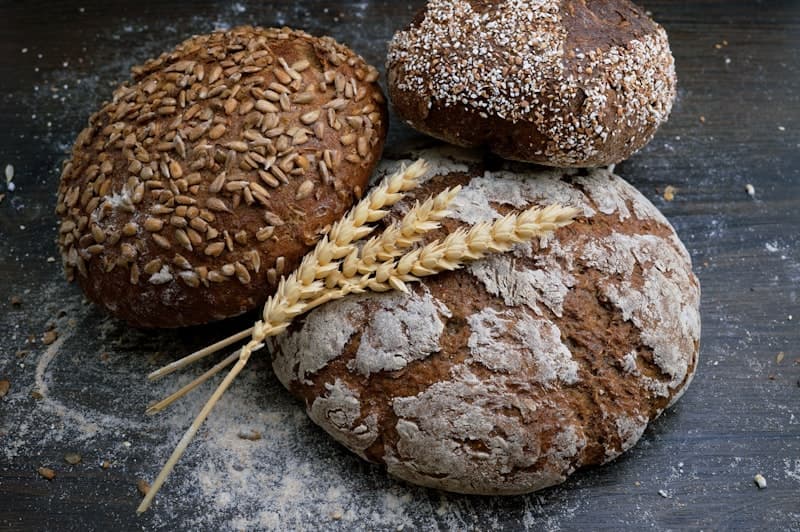
Wild yeast and bacteria captured in a flour-water mixture over 5–7 days. A healthy sourdough starter leavens bread, pancakes, and waffles indefinitely — maintained by regular feeding of fresh flour and water.

Steady·Score +10
05
Miso Paste

Miso Paste

A Japanese fermented soybean paste using koji mold (Aspergillus oryzae) — one of the most complex fermented foods. Homemade miso requires 3–12 months aging but produces flavour complexity no commercial miso matches.

Steady·Score +9
06
Classic Sauerkraut

Classic Sauerkraut

The most beginner-friendly ferment — shredded cabbage massaged with salt, packed into a jar, and left to ferment under its own brine. Lacto-fermented sauerkraut is ready in 1–4 weeks and packed with probiotics.

Steady·Score +8
07
Apple Cider Vinegar

Apple Cider Vinegar

Wild-fermented apple juice progressing through alcoholic fermentation to acetic acid fermentation. Homemade ACV with the mother (bacterial cellulose mat) is rich in beneficial acids and enzymes.

Steady·Score +7
08
Water Kefir

Water Kefir

A lightly carbonated probiotic drink made by fermenting sugar water with water kefir grains — small polysaccharide crystals hosting bacteria and yeast. Ready in 24–48 hours and easily flavoured with fruit juice.

Steady·Score +7
09
Lacto-Fermented Vegetables

Lacto-Fermented Vegetables

Carrots, cucumbers, peppers, garlic, and mixed vegetables fermented in a 2–3% salt brine. Lacto-fermentation preserves vegetables for months, concentrates flavour, and produces beneficial lactic acid bacteria.

Steady·Score +7
10
Milk Kefir

Milk Kefir

Tangy, drinkable fermented milk produced by adding milk kefir grains to whole milk for 24–36 hours. Milk kefir contains 30+ probiotic strains — far more diverse than most commercial yogurts.

Steady·Score +6
11
Kombucha Brewing

Kombucha Brewing

A fermented tea drink made by culturing sweetened tea with a SCOBY (symbiotic culture of bacteria and yeast). First fermentation takes 7–14 days; second fermentation with fruit adds carbonation and flavour.

Steady·Score +5
12
Fermentation Equipment Essentials

Fermentation Equipment Essentials

Wide-mouth mason jars, fermentation weights, airlocks, kitchen scales, and quality non-iodized salt are the core equipment for most home ferments. Starting simple prevents equipment overwhelm for new fermenters.

Steady·Score +1
Predict the rank

Ginger Beer Fermentation

Currently ranked #1. Where will it be in 7 days?