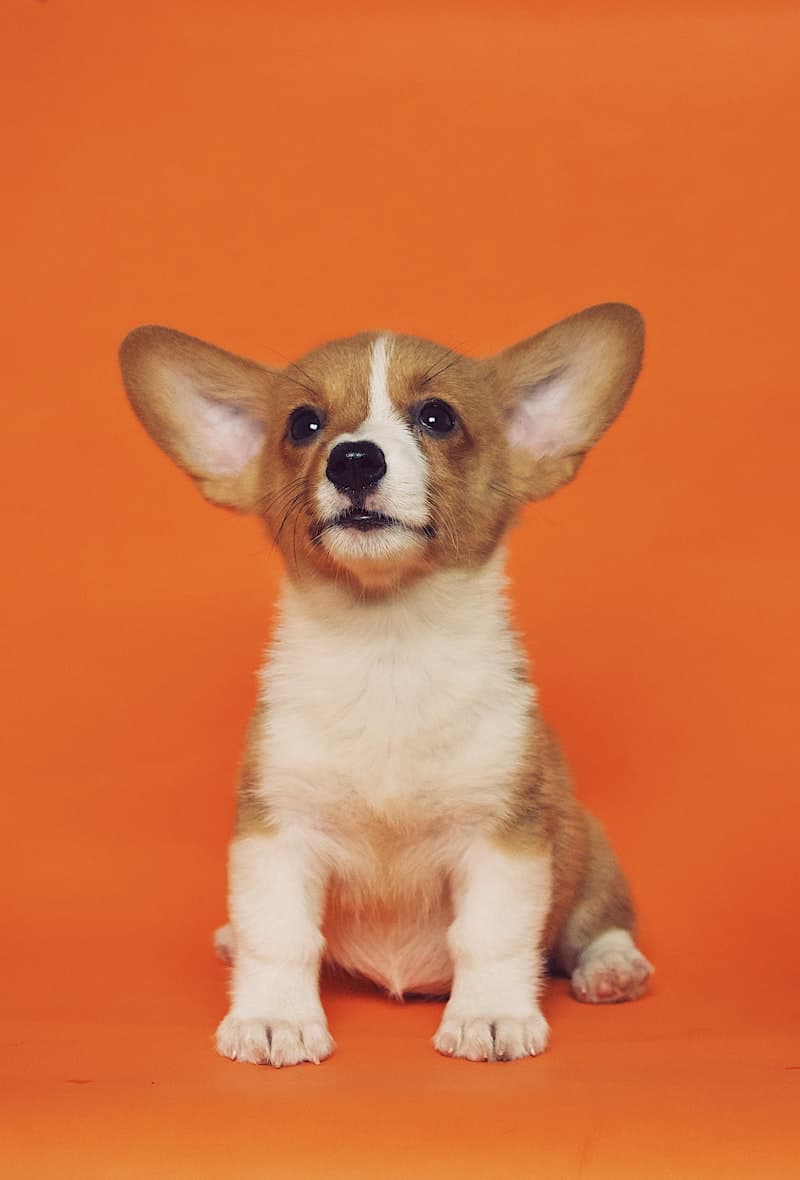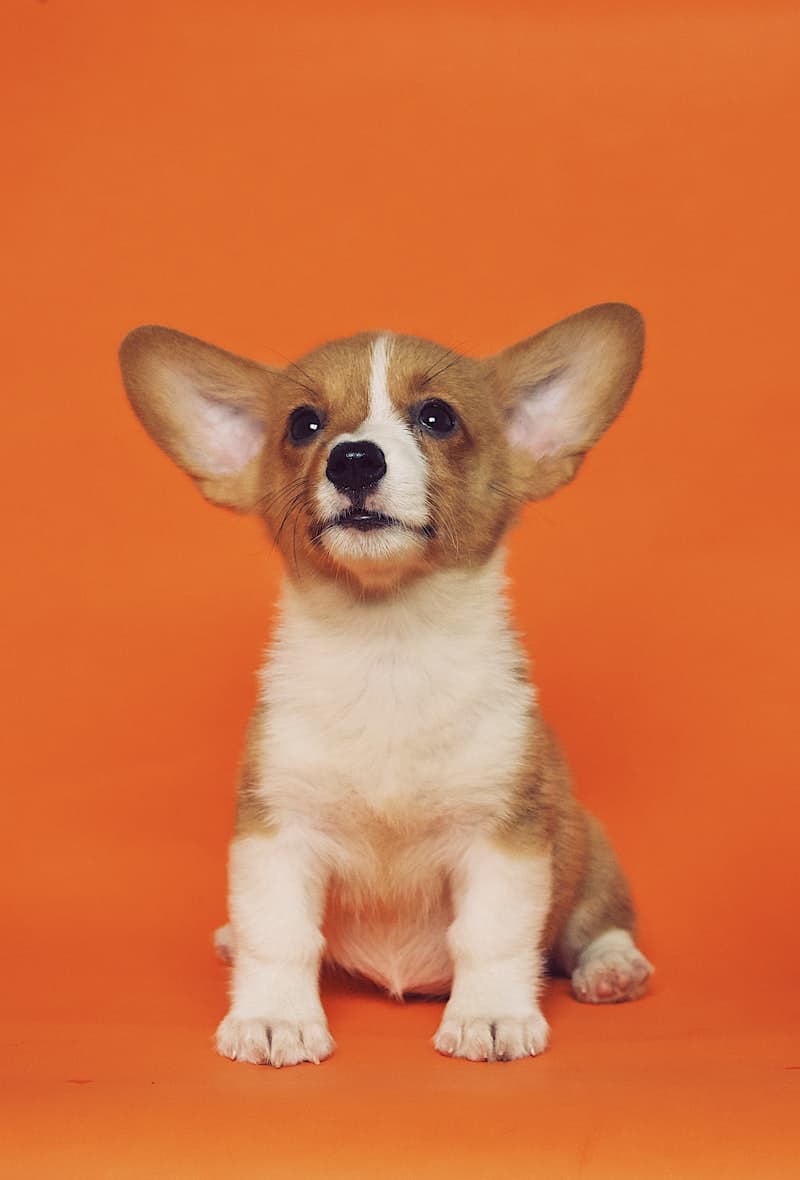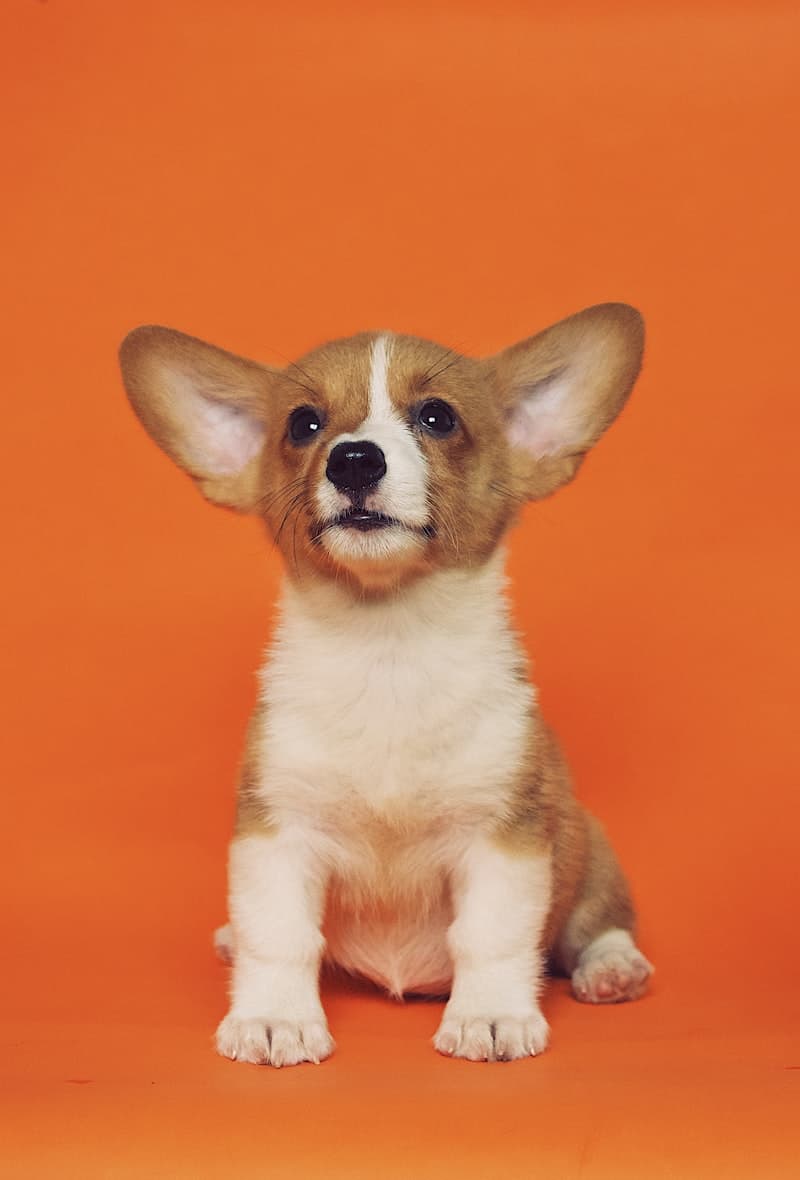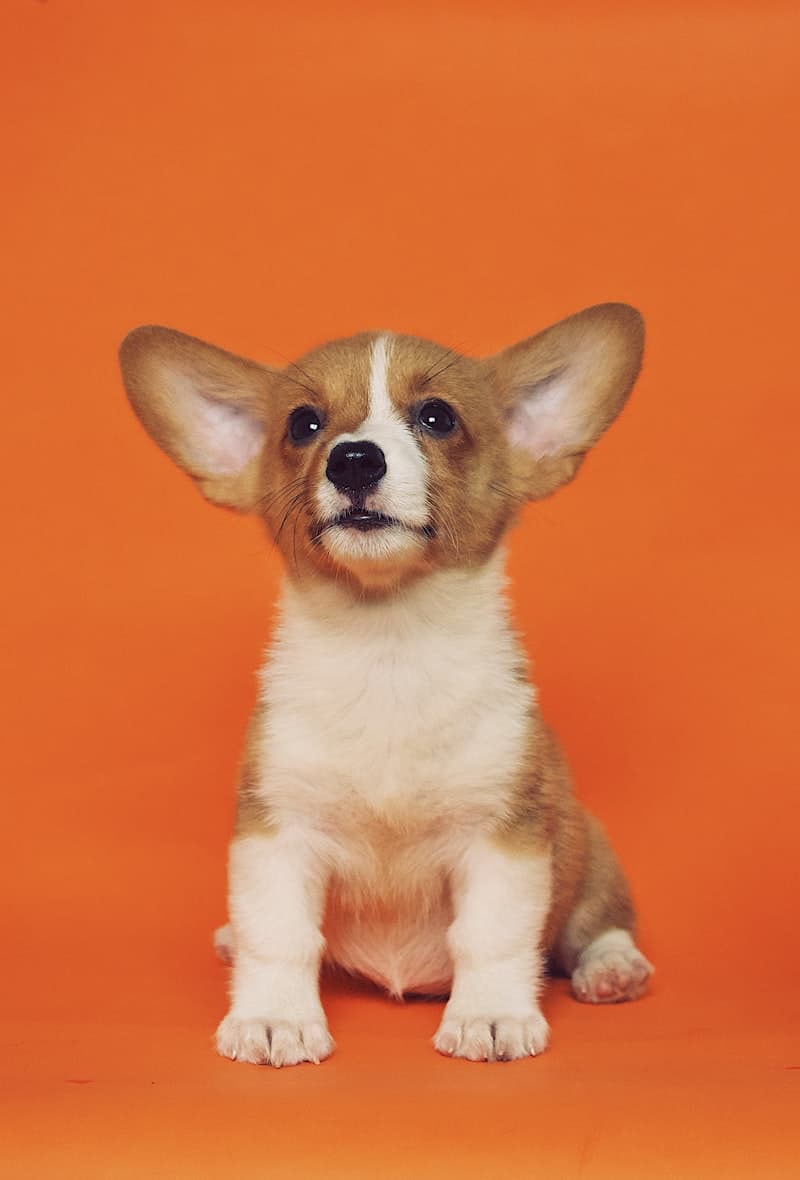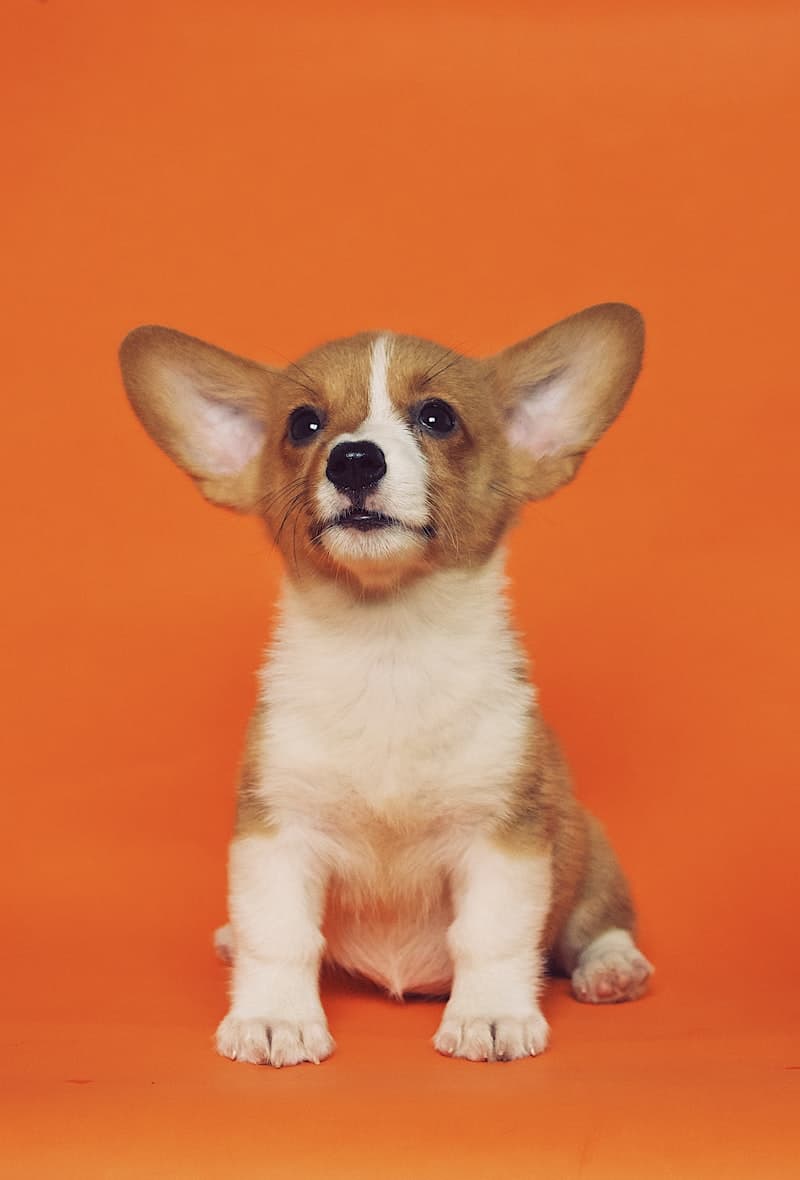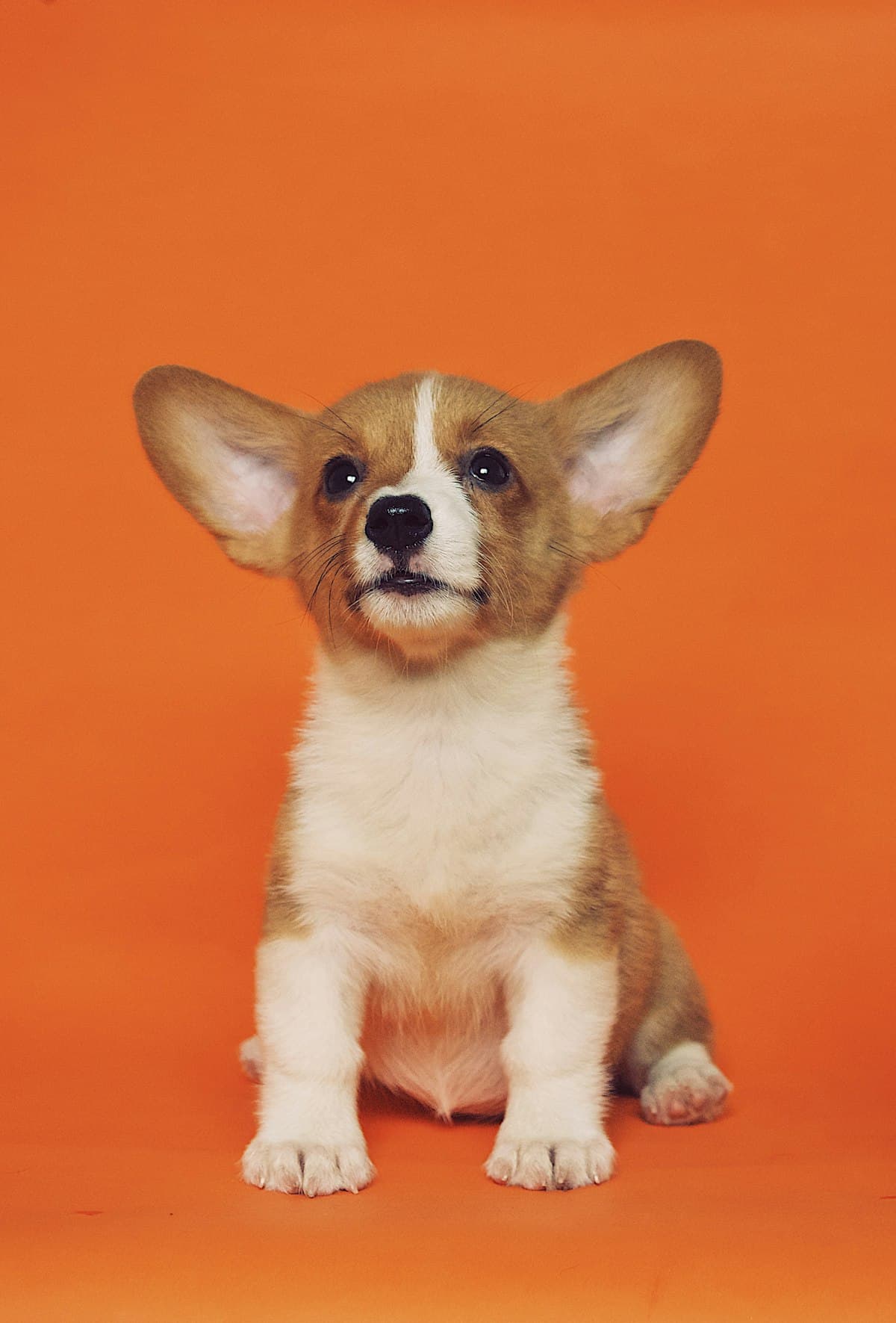
End Every Session on a Success
Always finish training with a behaviour your dog knows well and can succeed at. Ending on success builds confidence, creates positive associations with training, and means your dog approaches the next session eagerly.

A well-trained dog is a joy to live with and a poorly trained one makes every day a battle. These are the most effective, positive reinforcement-based training principles that professional trainers use with every breed and age.

Always finish training with a behaviour your dog knows well and can succeed at. Ending on success builds confidence, creates positive associations with training, and means your dog approaches the next session eagerly.

Not all rewards are equal to your dog. Boiled chicken or cheese motivates far more than a dry kibble for challenging tasks like recall in the park — match the reward value to the difficulty of what you are asking.

Dogs learn from every interaction — waiting until your puppy is older to start training allows weeks of reinforcing unwanted behaviours. Begin the first day home with name recognition, sit, and where to go to the toilet.

Between 3 and 14 weeks, puppies form their understanding of what is normal and safe. Exposing them to different people, sounds, environments, and animals during this window prevents fear-based behaviour throughout life.

Dogs have short attention spans and training quality degrades rapidly past 5 minutes. Three to five short sessions daily produces faster learning and stronger retention than one long session that ends in frustration.

A clicker or a verbal marker word like Yes marks the precise instant of the correct behaviour. This precision communication tells your dog exactly what earned the reward and accelerates learning dramatically.

Reward what you want, ignore or redirect what you do not. Dogs trained with positive reinforcement learn faster, retain more, and have better welfare outcomes than those trained with punishment-based methods — this is settled science.

Inconsistency between household members is the number one cause of training breakdown. Hold a family training meeting to agree on the exact words and hand signals for every command — dogs cannot handle synonyms.

Dogs cannot connect punishment to actions that happened more than two seconds ago. Punishing a dog for something it did while you were out does not teach it — it only teaches it that your return is something to fear.

Sit is the foundation skill that unlocks everything else. A dog who sits reliably on cue can be asked to sit before meals, greetings, crossing roads, and in any situation requiring calm behaviour.

A dog that sits at home but ignores you in the park has not generalised the behaviour. Practise every cue in new locations and gradually increasing distraction levels to build reliable responses anywhere.

Teaching your dog to go to its mat and stay there calmly on cue is one of the most practical and underrated training achievements. A dog that can settle on request is manageable in restaurants, offices, and social situations.
“End Every Session on a Success”
Currently ranked #1. Where will it be in 7 days?
Animals & PetsBeyond cats and dogs lies a fascinating world of unusual pets that bond deeply with their owners, require less space, and offer experiences no conventional pet can match. These are the best legally-kept exotic companions for the adventurous owner.
Animals & PetsSmall dogs are not simply big dogs in miniature — many breeds have been specifically developed for companionship in smaller spaces. These are the best small breeds for apartment dwellers, city families, and those who want a portable companion.
Animals & PetsThe right cat breed makes indoor life a joy rather than a battle of wills. These breeds thrive in apartment and indoor environments, balancing affection with independence in ways that suit busy modern life perfectly.